What Happened
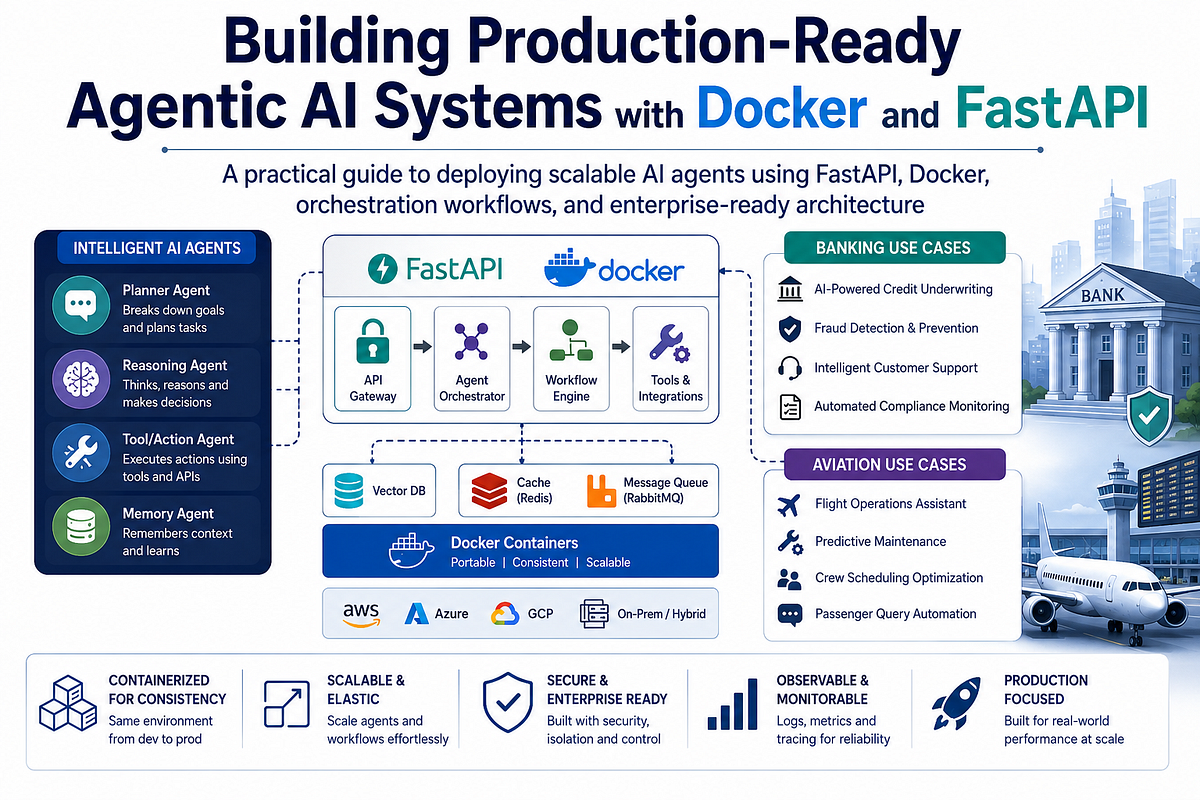
A new technical guide, published on the Towards AI platform via Medium, introduces the concept of "Harness Engineering" for AI agents. The article argues that while AI agent demos—capable of writing code, searching the web, and operating autonomously—are impressive, the vast majority fail to transition into robust, production-ready systems. Harness Engineering is proposed as a disciplined framework to build agents that are reliable, observable, and maintainable, effectively moving them from fragile prototypes to dependable software components.
This follows a clear industry trend highlighted in our own coverage and the Knowledge Graph intelligence: a report from March 31, 2026, revealed that 86% of AI agent pilots fail to reach production, a systemic issue often described as "agent washing." The Medium platform itself published a guide on a "5-point checklist to identify genuine AI agents" around the same time, indicating a market-wide push for substance over hype.
Technical Details: What is Harness Engineering?
The core premise is that AI agents, which use large language models (LLMs) to perceive, decide, and act, are not merely prompts or scripts. They are complex, stateful systems that interact with unpredictable environments (e.g., APIs, databases, user inputs). Building them requires an engineering mindset akin to developing traditional distributed systems.
The guide likely outlines key pillars of Harness Engineering, which would include:
- Robust Orchestration & State Management: Designing fault-tolerant workflows that can handle LLM hallucinations, API failures, and unexpected inputs without catastrophic breakdowns. This involves proper state persistence and recovery mechanisms.
- Comprehensive Observability: Moving beyond simple logging. Production agents require tracing for every decision, tool call, and LLM interaction to enable debugging, performance monitoring, and cost attribution.
- Systematic Evaluation & Validation: Implementing automated testing harnesses that simulate real-world scenarios and edge cases. This is distinct from one-off demo validation and requires continuous testing against key performance indicators (KPIs).
- Governance & Safety Controls: Building in guardrails, content filters, and approval loops (human-in-the-loop) for high-stakes or irreversible actions to mitigate risks.
This approach directly contradicts the "demo-perfect" system building criticized in our recent article, "Stop Shipping Demo-Perfect Multimodal Systems: A Call for Production-Ready AI."
Retail & Luxury Implications
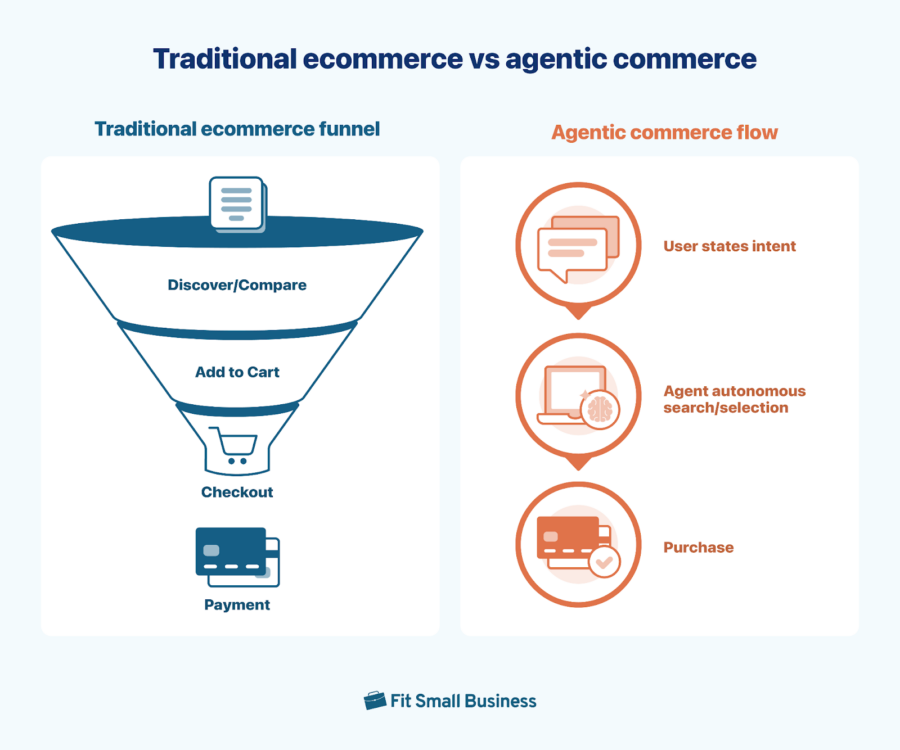
For retail and luxury AI leaders, the gap between agent demos and production systems is acutely felt. The promise of AI agents is transformative: autonomous personal shoppers, dynamic pricing engines, supply chain optimizers, and hyper-personalized marketing copilots. Entities like Shopify are already experimenting with AI agents, as noted in the KG relationships.
However, applying Harness Engineering principles is critical for several high-value, high-risk use cases:
- Customer-Facing Conversational Agents: An agent that handles complex, multi-turn customer service inquiries or personal styling sessions must be reliable. A breakdown during a high-value client interaction is brand-damaging. Harness Engineering ensures graceful degradation and effective handoff to human agents.
- Inventory & Supply Chain Agents: Autonomous agents that manage restocking, negotiate with suppliers, or reroute logistics based on real-time events cannot afford unpredictable behavior. Their decision-making must be fully traceable and auditable.
- Personalized Content & Campaign Agents: Agents that generate and execute micro-campaigns need robust A/B testing frameworks, brand safety checks, and performance feedback loops built directly into their operational harness.
The fundamental shift is from viewing AI agents as "magic boxes" to treating them as mission-critical software services. This requires investment in the underlying engineering platform—the harness—before scaling any specific agent application. The KG intelligence shows AI agents are a dominant trend, appearing in 184 prior articles and 23 this week alone, signaling that the foundational work of making them production-ready is the next major competitive frontier.