Hill County commissioners voted 3-2 on a one-year moratorium on data center projects in rural areas, the first such ban in Texas. The move targets unincorporated land where AI hyperscalers have been building to avoid city regulations.
Key facts
- 3-2 vote for 1-year moratorium
- First such ban in Texas
- Provident Data Centers proposed 300-acre campus
- Electricity costs up 30% since 2020
- State senator seeks AG investigation
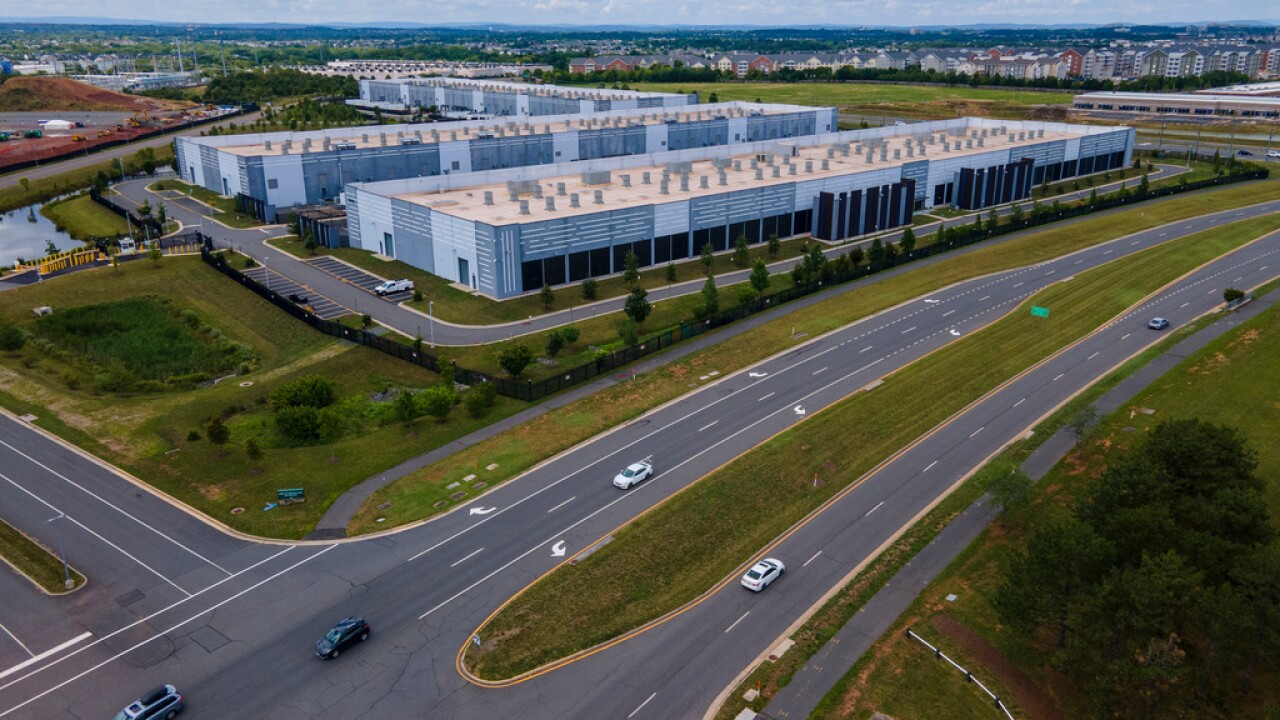
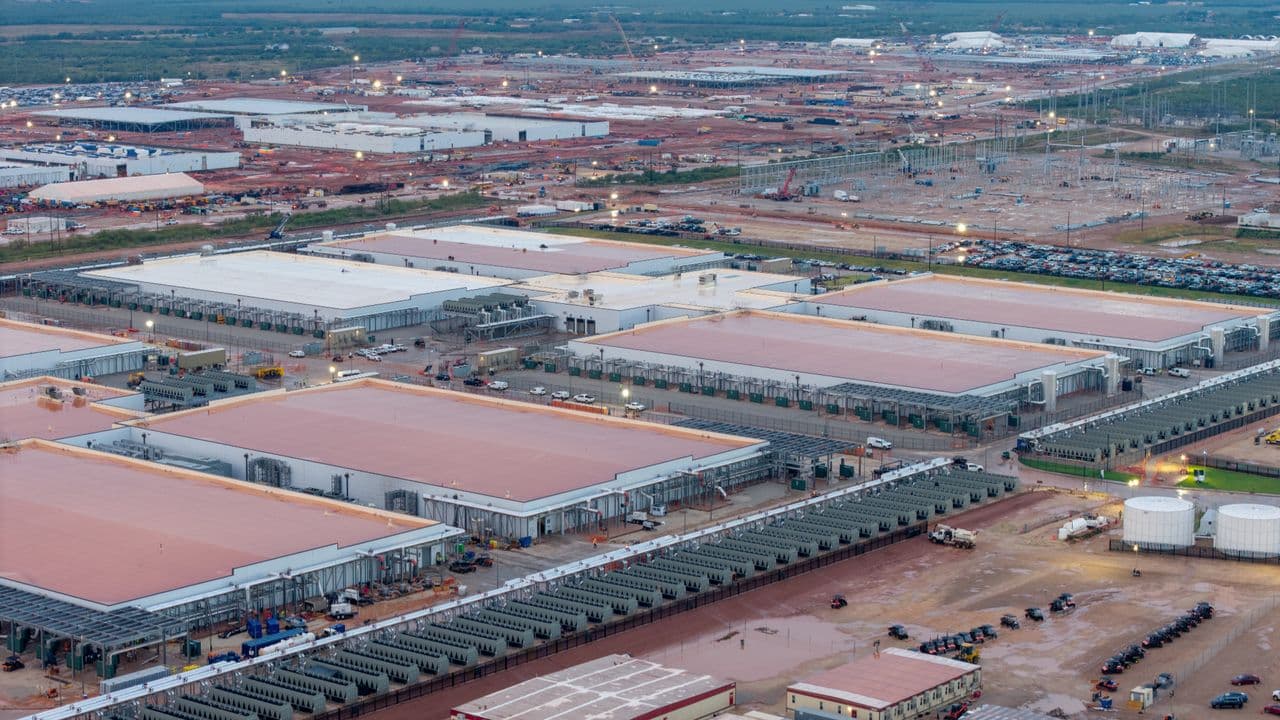
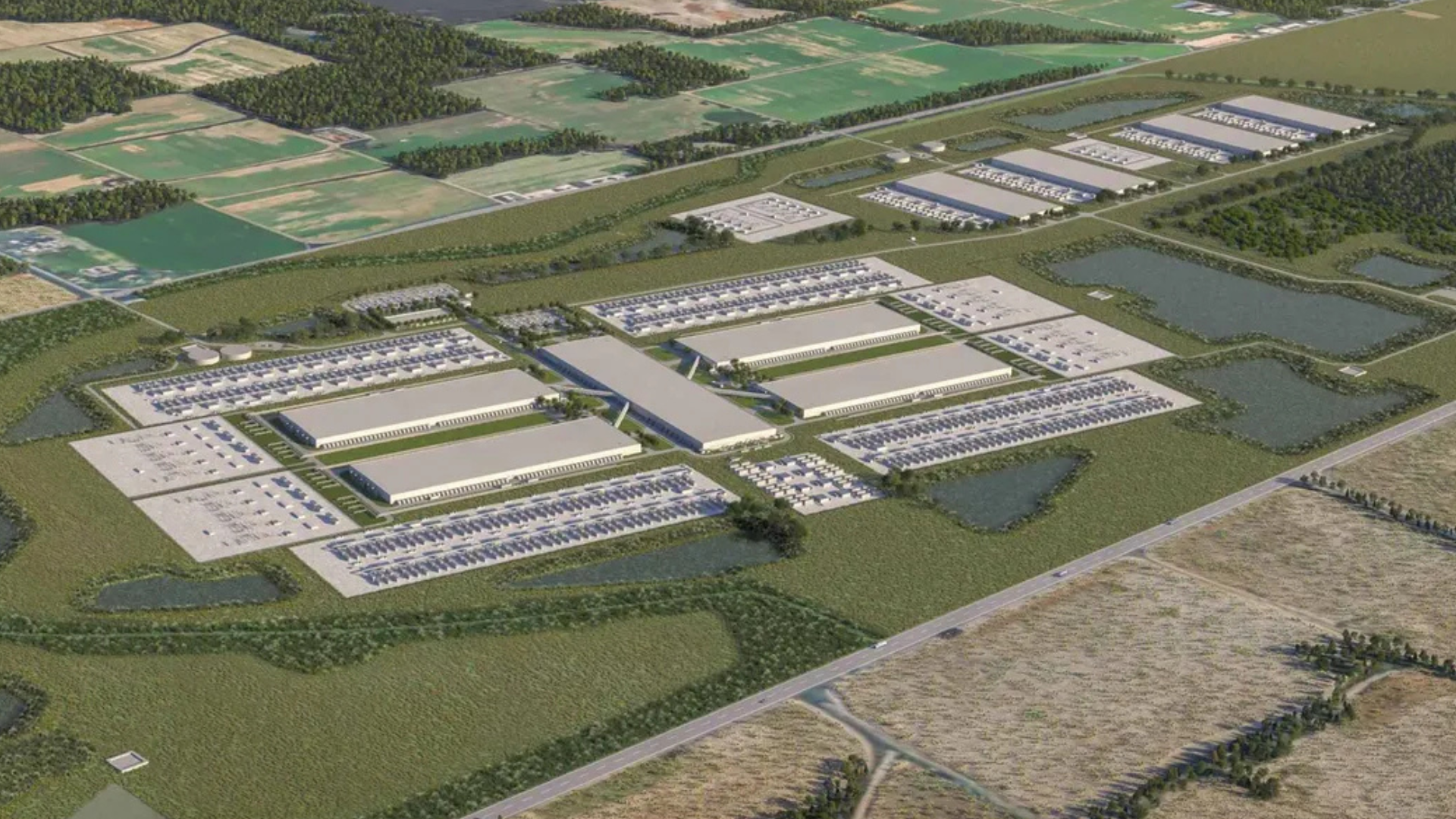
Hill County, Texas, became the state's first jurisdiction to pass a temporary ban on data center construction, voting 3-2 for a one-year moratorium on projects in rural, unincorporated areas. The decision, reported by The Texas Tribune [According to the source], was triggered by a proposed 300-acre campus from Provident Data Centers near Hillsboro, a town of about 8,000 people 60 miles south of Dallas-Fort Worth.
Why this matters more than a local zoning fight
The ban highlights a structural tension: AI hyperscalers are pushing into unincorporated county land to dodge city-level regulations and public hearings, but county officials are catching on. Hill County Commissioner Jim Holcomb told the publication: "The data center folks have found a sweet spot in the state that has limited regulations, limited enforcement, limited code, and they’re coming faster than we can keep up with." [According to the source]
However, the legal ground is shaky. A Texas State Senator has asked the State Attorney General to investigate whether counties can legally impose such bans, arguing they exceed local authority. The County Attorney warned the commission they could face lawsuits [According to the source].
National pattern, local flashpoint
The moratorium mirrors a growing backlash. U.S. power grid upgrades for AI infrastructure are driving rate increases for residential and small-business customers — electricity costs have risen over 30% since 2020 [According to the source]. This makes rural data centers a political liability even in a state known for being data center-friendly.
Global datacenter capital expenditure now reaches $250-300 billion annually, equivalent to 5-7 Manhattan Projects per year [per our previous reporting]. The Hill County ban is a small but early signal that local resistance may slow that buildout.
What to watch
Watch for the Texas Attorney General's opinion on county moratorium authority, and whether other Texas counties follow Hill County's lead before the 1-year window expires. The Provident Data Centers campus timeline will signal developer response.
[Updated 17 May via reddit_dc]
Meanwhile, Florida Governor Ron DeSantis signed a law imposing data center restrictions to protect residents from rising water and energy costs, marking a separate but parallel regulatory push [per Central Florida Substack]. Unlike Hill County's local moratorium, Florida's law is statewide and targets environmental impacts directly.