Key Takeaways
- Horizon Robotics launched a trio of products—a new chip, an open-source OS, and a smart driving system—aiming to push cars closer to becoming autonomous AI agents.
- The platform integrates hardware and software for enhanced perception and decision-making.
What's New
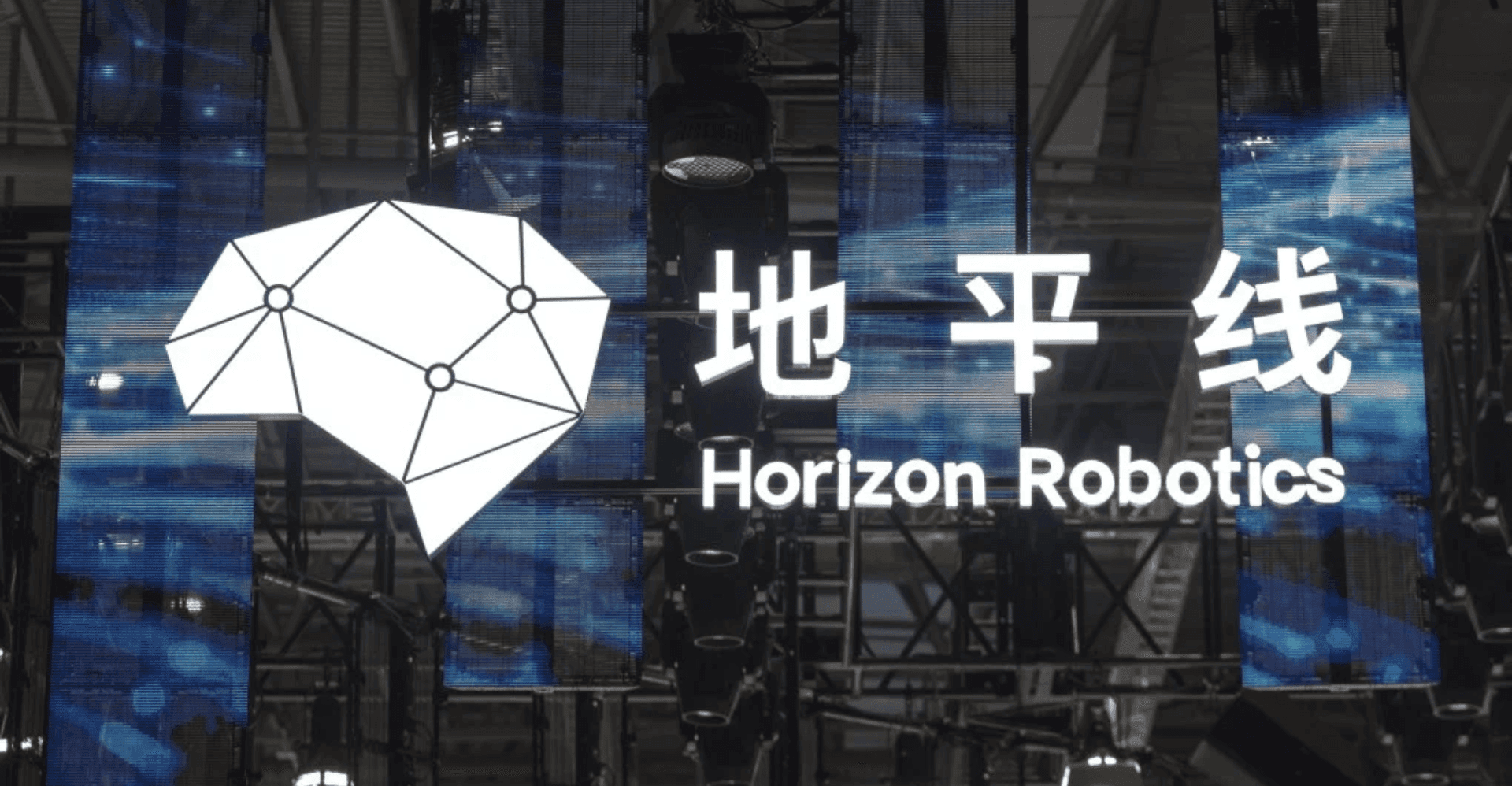
Horizon Robotics, a Chinese AI chipmaker, today announced a comprehensive vehicle intelligence platform comprising three core components: a new automotive-grade chip (the Journey 6 series), an open-source operating system (TogetherOS), and a smart driving system (Horizon SuperDrive). The company positions this as a full-stack solution to accelerate the transition of cars from mere transportation devices to autonomous AI agents.
The Journey 6 chip family targets different levels of autonomous driving, from entry-level ADAS to full self-driving. TogetherOS is designed to be modular and open, allowing automakers and developers to integrate their own algorithms. SuperDrive is a reference architecture for urban and highway autonomous driving.
Technical Details
Horizon claims the Journey 6 chip achieves high TOPS/Watt efficiency, though specific benchmark numbers were not disclosed in the announcement. The chip is built on a 16nm process and supports multiple sensor fusion, including cameras, lidar, and radar. TogetherOS is built on a microkernel architecture, aiming for functional safety certification (ISO 26262 ASIL-D). SuperDrive integrates the chip and OS with a full perception-to-planning pipeline, including object detection, trajectory prediction, and decision-making modules.
How It Compares
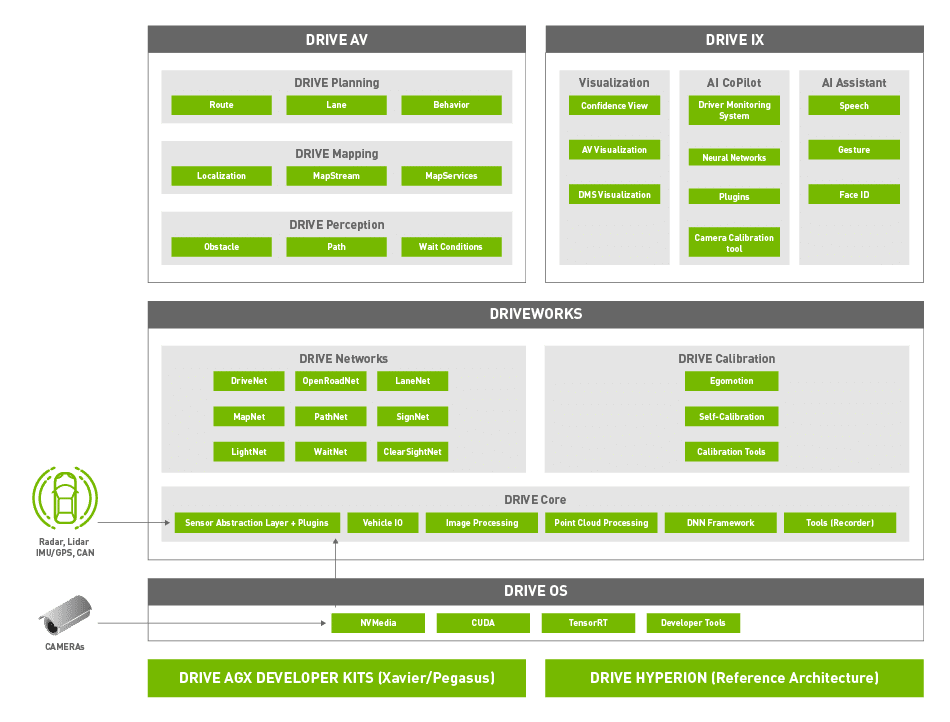
Horizon faces stiff competition from NVIDIA (DRIVE Orin), Qualcomm (Snapdragon Ride), and Mobileye (EyeQ). The Journey 6 series is positioned as a cost-effective alternative, particularly for the Chinese market. Unlike NVIDIA's closed ecosystem, Horizon emphasizes openness with TogetherOS, allowing automakers to customize their stacks. This mirrors the strategy of other Chinese AI companies like Baidu and Huawei, who also offer open platforms.
What to Watch

Horizon's success will depend on adoption by major automakers. The company already counts SAIC, BYD, and Li Auto as partners. The open-source OS strategy could lower barriers for smaller EV startups, but it also raises questions about software quality and security. Additionally, the chip's real-world performance against NVIDIA's Orin remains to be independently verified.
gentic.news Analysis
Horizon's announcement comes at a time when AI agents are trending heavily in our coverage—appearing in 12 articles this week alone, with 233 total. The company is explicitly framing its platform as enabling "autonomous AI agents," aligning with the broader industry narrative we've tracked since early 2026. This follows predictions from industry leaders that 2026 would be a breakthrough year for AI agents across all domains, including transportation.
Notably, Horizon's open-source OS strategy contrasts with the more closed approaches of NVIDIA and Mobileye. This echoes a pattern we've seen in other AI agent domains: openness versus control. For example, Google's recent A2UI 0.9 release (which we covered on April 19) aimed to standardize agent interfaces, while Adobe, NVIDIA, and WPP launched enterprise AI agents on a proprietary platform. Horizon is betting that automakers want flexibility, not lock-in.
The chip announcement also has implications for the broader semiconductor landscape. Horizon's Journey 6 competes directly with Intel's Mobileye, and Intel has been active in agentic AI workloads—just last week, Intel and SambaNova proposed a hybrid inference architecture for agentic AI. Horizon's focus on power efficiency and cost could pressure incumbents in the Chinese EV market, where price competition is fierce.
Frequently Asked Questions
What is Horizon Robotics' new chip called?
Horizon's latest automotive chip is the Journey 6 series, designed for autonomous driving from entry-level ADAS to full self-driving. It is built on a 16nm process and supports sensor fusion.
How does Horizon's platform compare to NVIDIA Drive?
Horizon emphasizes openness and cost-effectiveness, offering an open-source OS (TogetherOS) versus NVIDIA's more closed ecosystem. NVIDIA's Drive Orin is currently the market leader in high-end autonomous driving compute.
Is Horizon's OS really open source?
Yes, Horizon claims TogetherOS is open source and modular, allowing automakers and developers to integrate custom algorithms. However, the specific license and governance model were not detailed in the announcement.
Which car companies use Horizon's technology?
Horizon has partnerships with SAIC, BYD, and Li Auto. The company is particularly strong in the Chinese EV market.