Key Takeaways
- EY's report on agentic AI outlines how autonomous AI agents can drive enterprise value by automating complex workflows.
- The analysis highlights supply chain and customer service as key retail applications, though production readiness varies.
What Happened

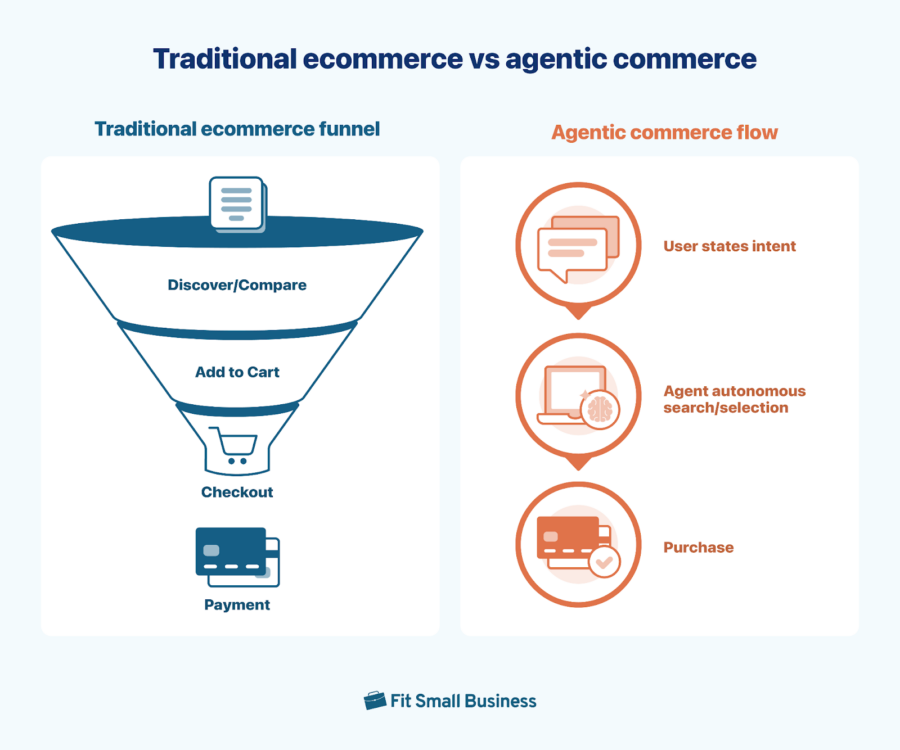
EY released a report arguing that agentic AI—autonomous AI systems capable of executing multi-step tasks without human intervention—can unlock significant enterprise value at scale. The analysis focuses on how these systems differ from traditional AI by combining reasoning, planning, and tool use to complete complex workflows.
Technical Details
Agentic AI systems are distinguished by their ability to:
- Plan and execute multi-step tasks: Unlike single-prompt LLMs, agents can break down complex goals into sub-tasks and execute them sequentially.
- Use external tools: Agents can call APIs, query databases, and interact with enterprise software to complete actions.
- Learn from feedback: Through reinforcement learning and human-in-the-loop mechanisms, agents improve over time.
EY identifies three maturity levels for agentic AI:
- Assisted agents: Handle simple, well-defined tasks with human oversight.
- Augmented agents: Manage more complex workflows with limited human intervention.
- Autonomous agents: Operate independently on strategic tasks, only escalating exceptions.
Retail & Luxury Implications
For retail and luxury companies, EY's framework maps directly to several high-value use cases:
Supply Chain Optimization
Agentic AI can autonomously manage inventory replenishment, predict demand shifts, and reroute logistics in real time. For luxury brands with complex global supply chains, this could reduce stockouts and overstock by 15–30%, per EY estimates.
Customer Service Automation
Agents can handle multi-channel customer inquiries—from product queries to returns processing—without escalating to humans for routine cases. Luxury brands could deploy agents that maintain brand voice and handle personalized styling recommendations.
Personalized Marketing
Agents can orchestrate cross-channel campaigns, adjusting messaging based on customer behavior and inventory availability. For luxury retailers, this means delivering exclusive offers without diluting brand equity.
Compliance and Sustainability
Agentic systems can monitor supply chain compliance with sustainability standards (e.g., sourcing certifications), flagging violations and suggesting corrective actions.
Business Impact

EY's analysis suggests agentic AI can deliver:
- 30–50% reduction in operational costs for routine workflows
- 20–30% improvement in customer satisfaction through faster, more accurate service
- 10–20% revenue uplift from better inventory management and personalization
These figures are aspirational—actual results depend on implementation maturity and data readiness.
Implementation Approach
To deploy agentic AI in retail/luxury, companies need:
- Unified data platform: Agents require access to real-time inventory, customer, and supply chain data.
- Governance framework: Clear policies for agent autonomy, error handling, and brand compliance.
- Integration layer: APIs connecting agents to existing ERP, CRM, and e-commerce systems.
- Human-in-the-loop: Especially for luxury, where brand decisions require human judgment.
Governance & Risk Assessment
- Maturity level: Early production for assisted agents; experimental for autonomous ones.
- Privacy risks: Agents handling customer data must comply with GDPR and other regulations.
- Bias: Agent decisions could amplify existing biases in training data (e.g., in personalization).
- Brand risk: Autonomous agents making creative or customer-facing decisions could damage brand perception if not carefully governed.
EY recommends starting with low-risk, high-volume tasks (e.g., inventory alerts) before graduating to customer-facing or strategic workflows.
Source: news.google.com
[Updated 07 Jul via agentic_commerce_news]
BofA Securities upgraded Shopify to Buy from Neutral, citing the company's strategic pivot toward agentic commerce as a key catalyst [per Yahoo Finance]. The analyst sees Shopify's AI-powered tools enabling merchants to automate entire commerce workflows—from inventory management to customer engagement—potentially driving a 20% revenue uplift for the platform itself. This marks one of the first major Wall Street endorsements of agentic AI's enterprise value, aligning with EY's thesis that autonomous agents can unlock 10–20% revenue gains in retail.
[Updated 09 Jul via gn_ai_retail_usecase]
Sport Clips has deployed agentic AI to localize customer engagement, tailoring marketing and service recommendations at the store level based on real-time customer data and local preferences [per Chain Store Age]. This practical implementation demonstrates how agentic AI can move beyond theory into day-to-day retail operations, aligning with EY's framework for autonomous agents handling complex workflows. The deployment shows that even service-oriented retailers can leverage agentic AI to enhance personalization without sacrificing brand consistency.