The Innovation — What the Source Reports
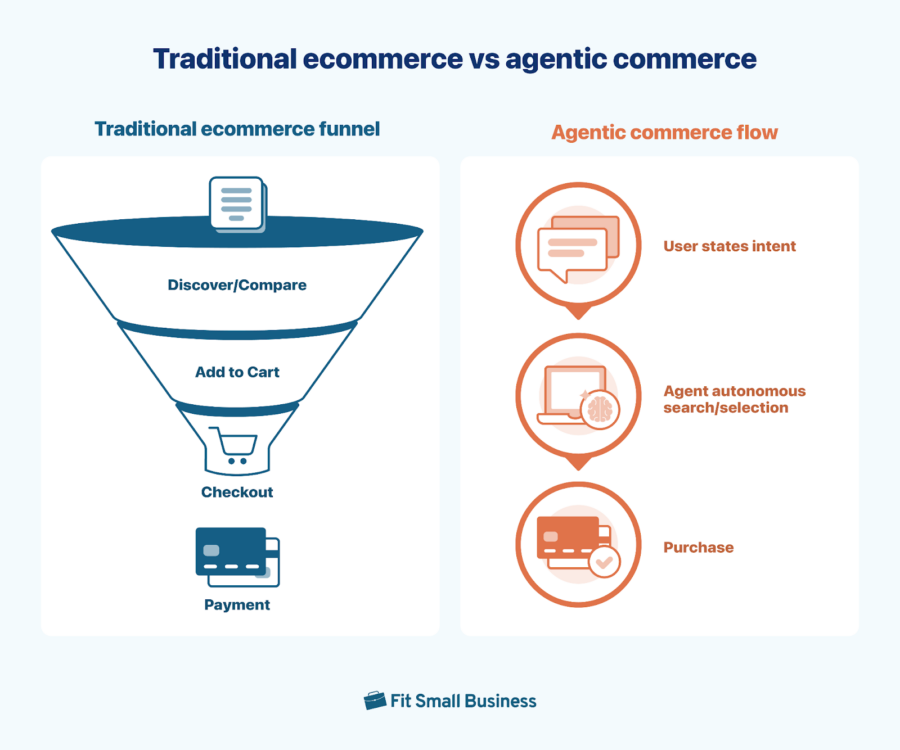
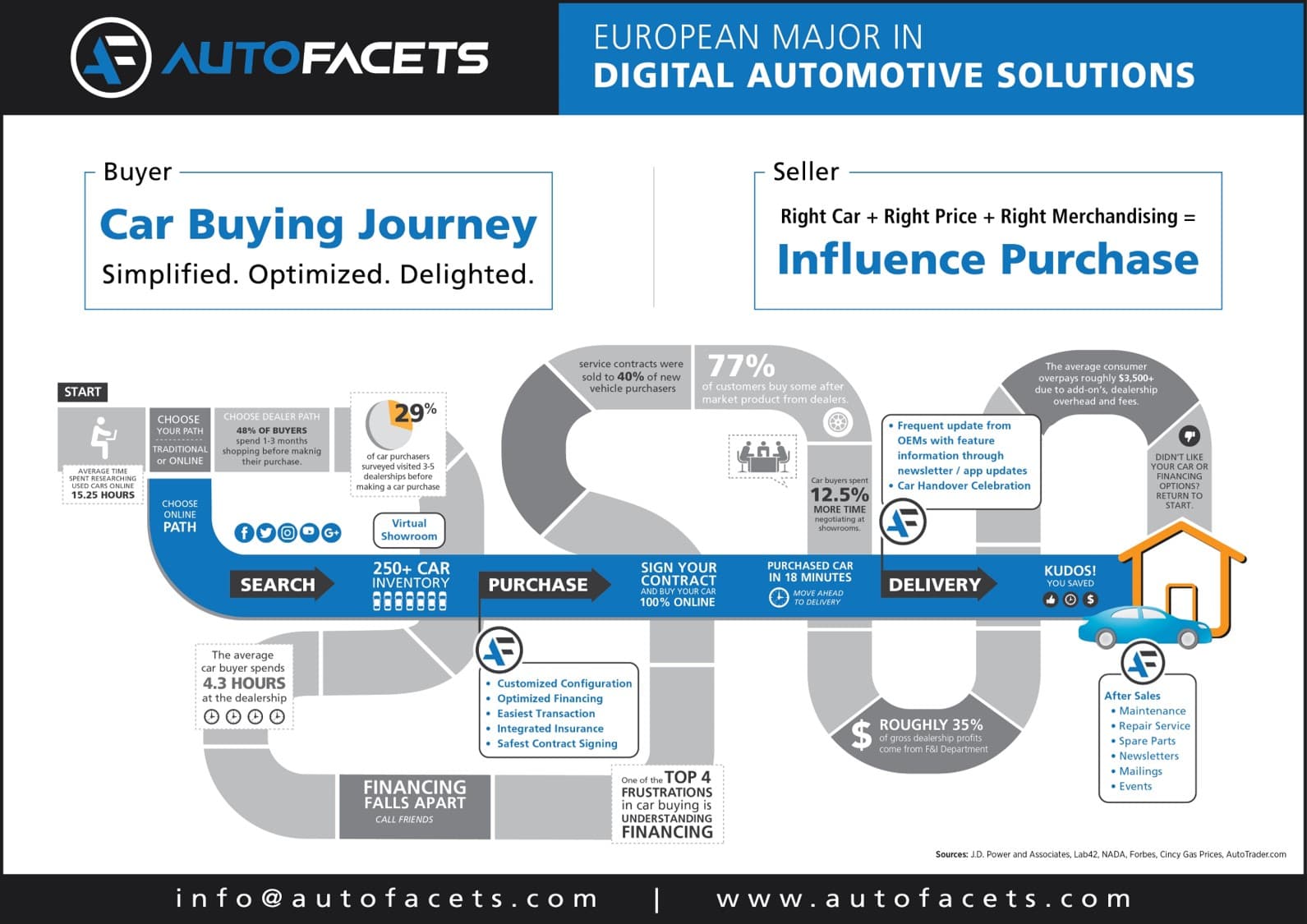
The source article from ET Edge Insights presents a detailed examination of how Agentic AI is fundamentally restructuring the car buying process. This is not about simple chatbots or recommendation engines; it's about deploying autonomous, multi-step AI agents that can manage the entire, complex customer journey.
These agents are described as capable of handling tasks that traditionally required significant human intervention and spanned multiple digital and physical touchpoints. The journey is being "rewired" from the ground up, with AI taking on roles in research, comparison, configuration, financing, negotiation, and post-purchase integration.
Why This Matters for Retail & Luxury — Concrete Scenarios and Departments
While the source focuses on automotive, the implications for luxury and high-value retail are direct and profound. The car buying journey shares critical attributes with luxury purchases: high consideration, complex product configurations, significant financial investment, and an emotional component.
For Luxury Retail, This Translates To:
- Personal Concierge at Scale: An agentic AI could act as a 24/7 personal shopper for a client considering a high-end watch or handbag. It would not just show products but learn the client's preferences, cross-reference with their purchase history (with permission), research limited edition releases, explain craftsmanship details, and even manage the waitlist or auction bidding process.
- Hyper-Personalized Configuration: For brands like Louis Vuitton (offering monogramming) or Burberry (with its made-to-order trench coats), an agent could guide a customer through a vast configuration space—materials, colors, hardware, personalization—in a conversational manner, visualizing options in real-time and checking production feasibility.
- Seamless Omnichannel Orchestration: The agent could initiate a conversation online, schedule an in-store private appointment with a specialist who is pre-briefed on the client's interests, and then follow up post-visit to finalize details or arrange delivery. It manages the handoff between digital and physical realms.
- Complex Clienteling & CRM Automation: Beyond single purchases, these agents could manage long-term client relationships. They could proactively suggest items that complement a past purchase, notify clients of trunk shows in their city, or manage alterations and after-sales service, all while building a rich, dynamic profile of the client's taste.
Business Impact — Quantified if Available, Honest if Not
The source does not provide specific ROI metrics for the automotive case, but the business impact for luxury retail can be inferred as transformative:
- Conversion Rate & AOV: By reducing friction and providing expert-level guidance throughout a complex journey, agentic AI has the potential to significantly increase conversion rates and average order value (AOV). A customer who might abandon a complex online configurator could be guided to completion by a patient, knowledgeable AI.
- Client Acquisition Cost (CAC): The efficiency of these agents in qualifying leads and providing immediate, high-value engagement could lower digital CAC. They act as a force multiplier for human sales and clienteling teams.
- Operational Efficiency: Automating the initial research, FAQ, and appointment-setting phases frees highly skilled human staff (store managers, senior stylists) to focus on the deepest, most valuable interpersonal interactions during the final stages of a sale or for top-tier clients.
- Data Asset Creation: Every interaction with an agentic AI generates incredibly rich data on customer preferences, decision-making processes, and pain points, creating a strategic asset far beyond standard web analytics.
Implementation Approach — Technical Requirements, Complexity, Effort
Implementing agentic AI for luxury retail is a major technical undertaking, not a plug-and-play solution. Based on the described automotive paradigm and our knowledge graph, the architecture would likely involve:
- Foundation Model: A powerful, reliable LLM (like Google's Gemini series or a competitor) capable of long, coherent, brand-aligned conversations and complex reasoning.
- Agentic Framework: A system for breaking down high-level goals ("help client configure a bespoke suit") into a sequence of executable tasks (access CRM, pull fabric inventory, render visualization, calculate lead time). This aligns with the emerging concept of Agentic RAG (Retrieval-Augmented Generation), where the agent can proactively retrieve necessary information from various sources.
- Integration Layer (MCP): Critical connectors to backend systems. This is where Google's recent launches are highly relevant. Their Official Workspace MCP Endpoint and Agentic Sizing Protocol demonstrate the kind of tooling needed to connect AI agents to product data, inventory, CRM (like Salesforce), and communication platforms. An agent needs to "use" these systems as tools.
- Orchestration & Safety: Robust control mechanisms to ensure the agent operates within strict brand, compliance, and privacy guidelines. Hallucinations or off-brand statements are unacceptable in luxury.
Complexity is high. This is a multi-quarter, cross-functional initiative requiring close collaboration between AI engineering, data, e-commerce, and retail operations teams. Pilot programs focused on a single, well-defined journey (e.g., pre-owned watch acquisition) are the logical starting point.
Governance & Risk Assessment — Privacy, Bias, Maturity Level
- Privacy & Data Security: Luxury clients expect absolute discretion. Any agentic system must be designed with privacy-by-design principles. Data usage must be transparent and consent-driven. Storing and processing the intimate preferences revealed in these conversations requires enterprise-grade security.
- Brand Voice & Bias: The AI agent is the brand in these interactions. Its tone, knowledge, and recommendations must be meticulously calibrated to reflect brand values. Furthermore, algorithms must be audited to avoid bias in product recommendations or service levels.
- Maturity Level: Agentic AI is at an early-adopter stage in retail. While Gartner projects 40% of enterprise applications will feature task-specific AI agents by 2026, and our KG notes projections of agents handling 50% of online transactions by 2027, current deployments are pioneering. The technology is promising but not yet commoditized; implementation carries inherent technical and experiential risk.
- Human-in-the-Loop: A clear escalation path to a human expert is non-negotiable, especially for high-value transactions or sensitive client matters. The goal is augmentation, not full replacement.
gentic.news Analysis
This automotive case study is a canary in the coal mine for high-value retail. It demonstrates that the industry conversation around Agentic AI is rapidly moving from theoretical research to concrete, customer-facing implementation. The timing is significant, as it follows Google's launch of an Agentic Sizing Protocol for retail AI just days ago, indicating a focused push by major platforms to provide the infrastructure needed for these complex retail agents.
The Knowledge Graph intelligence shows Google is deeply active in this space, not just with foundational models (Gemini 3.1, Gemini 3.1 Flash-Lite) but with critical connective tissue like MCP servers and specialized retail protocols. This positions them as a key enabler, competing with Microsoft (via OpenAI) and Anthropic in the race to provide the enterprise AI stack. The trend data—Agentic AI appearing in 10 articles this week—confirms this is a central topic of industry focus.
For luxury retail leaders, the imperative is clear: begin structured exploration now. This involves identifying a pilot use case, assessing the required integration landscape (CRM, PIM, e-commerce platform), and evaluating potential platform partners. The goal isn't to replicate the car buying journey, but to deconstruct your own unique, high-consideration customer journey and identify which steps can be authentically and effectively enhanced or managed by an autonomous AI agent. The brands that master this orchestration of human and artificial intelligence will define the next era of luxury service.