The Technique — A Full-Stack Agentic Workflow
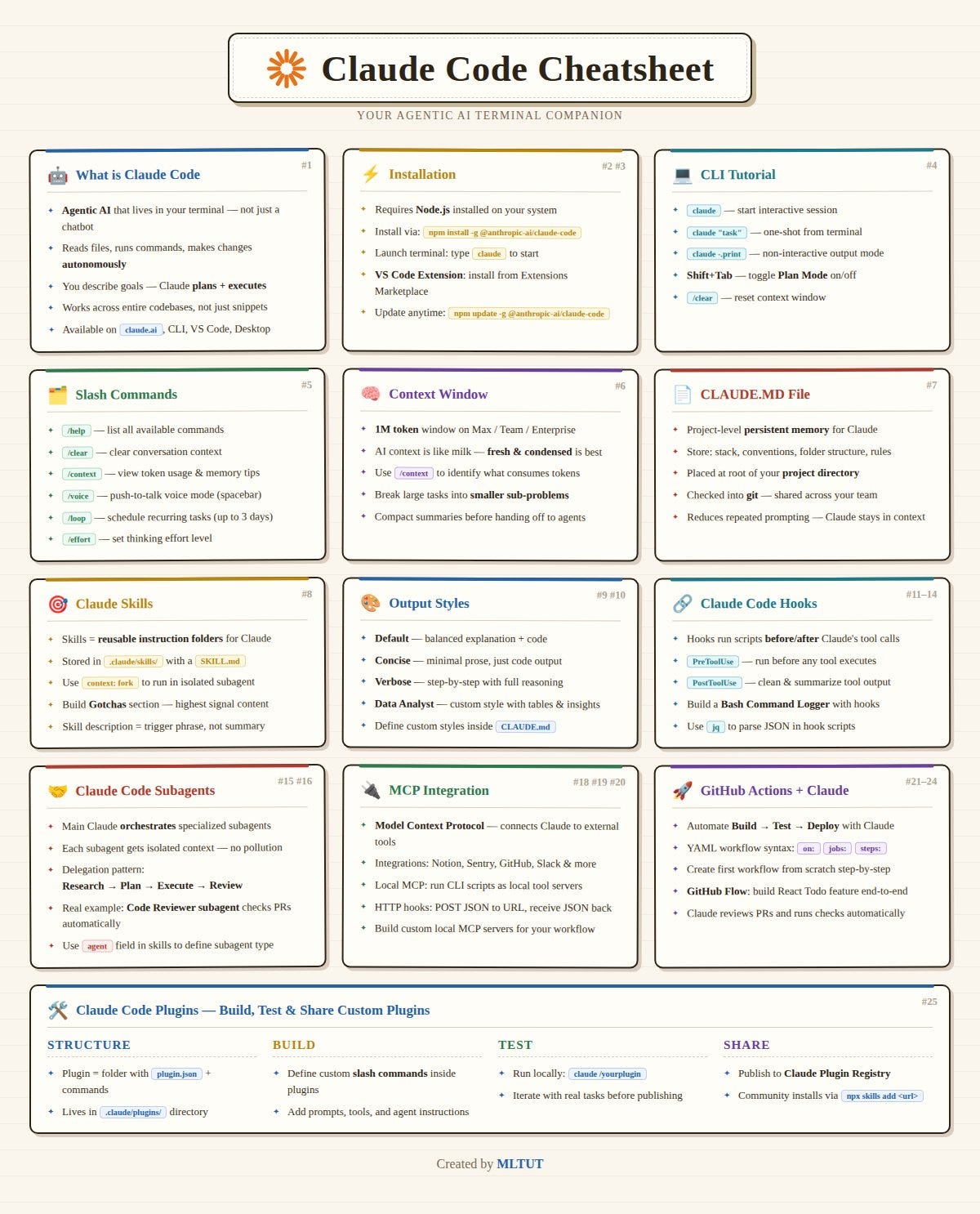
The source article details a developer who replaced their entire mobile development workflow—planning, coding, debugging, and deployment—using Claude. While they used the general Claude AI interface, the core principles translate directly to Claude Code. The key is structuring your interaction to treat Claude Code as a full-stack development agent, not just a code snippet generator.
Why It Works — Claude Code's Architecture
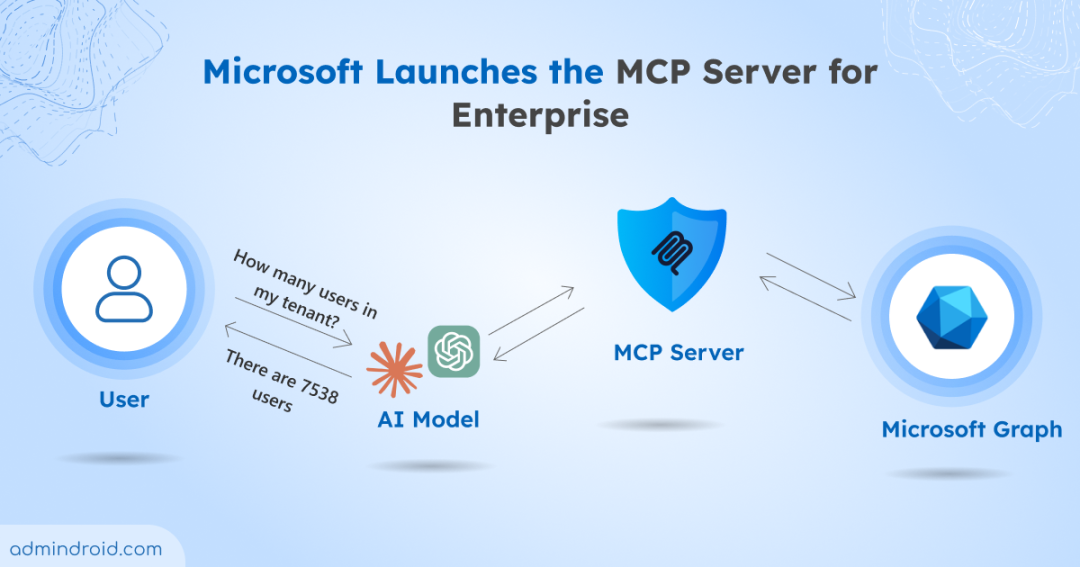
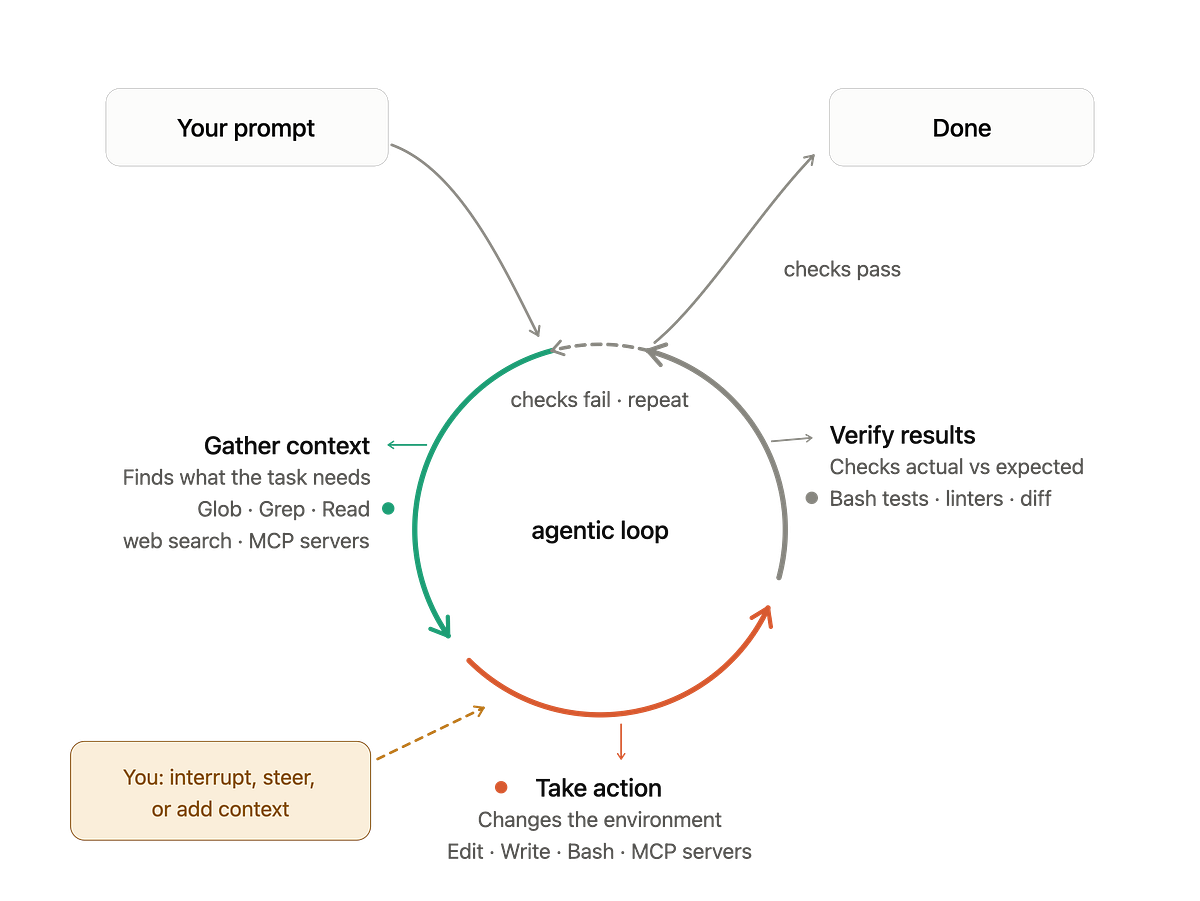
Claude Code is built for this. Its architecture on the Model Context Protocol (MCP) allows it to connect to tools and backends, making it an ideal orchestrator. As noted in our recent coverage, Claude Code's performance guidance warns against elaborate personas, but a clear, task-oriented workflow is exactly what it's designed for. You're leveraging its ability to understand context across multiple files, run commands, and make sequential decisions.
How To Apply It — Your Mobile Dev Pipeline in the Terminal
You don't need a separate UI. You can run this entire workflow from claude code. Start by defining the project scope in a CLAUDE.md file or your initial prompt.
1. Project Scaffolding & Setup:
claude code "Initialize a new Flutter project named 'NewsApp' for iOS and Android. Use a clean architecture template with folders for data, domain, and presentation layers. Add the necessary dependencies for http, state management (Provider), and routing to pubspec.yaml."
Claude Code can generate the file structure and edit pubspec.yaml directly.
2. Feature Development with Context:
Instead of asking for a single widget, provide the module context.
claude code "In the `lib/presentation/screens` directory, create a `news_feed_screen.dart`. It should use the `NewsRepository` from the domain layer to fetch a list. Implement a ListView.builder with a custom `NewsCard` widget. Handle loading and error states."
Claude Code will navigate your existing project structure to understand dependencies.
3. Debugging & Refactoring:
Use Claude Code's ability to read error logs and trace issues.
# After a build fails
claude code "Here's the Flutter build error from the terminal. Analyze the stack trace, identify the file causing the issue in our project, and propose a fix."
4. CI/CD & Deployment Prep:
Delegate boilerplate and configuration.
claude code "Write a GitHub Actions workflow file (.github/workflows/flutter-ci.yml) that runs tests, builds the APK, and uploads it as an artifact. Also, update the Android build.gradle with the correct versioning scheme."
The shift is from micro-tasks to macro-objectives. You're the product manager; Claude Code is the engineering team.
Try It Now — A Sample Workflow Session
Create a project_brief.md file and then run:
claude code --file project_brief.md -t "Read the project brief and execute the setup and first feature phase. Ask me for clarification if needed."
Where project_brief.md contains:
## Project: TaskMaster Mobile
- **Tech:** Flutter (Dart)
- **Core Feature:** User authentication and a task list with CRUD operations.
- **State:** Provider
- **API:** Mock backend using `http` and `json_serializable` for models.
- **First Goal:** Set up project structure and implement the login screen UI and model.
This approach uses Claude Code's agentic mode to break down the high-level goal into sequential sub-tasks, mimicking the full workflow described in the article.