A developer just resurrected a 1992 online multiplayer game, Legends of Future Past, in a single weekend using Claude Code. The original source code was lost. All that remained were hundreds of script files written in a custom, undocumented language and a Game Master manual from 1998.
The developer's prompt was simple: "figure out what this scripting language does and rebuild the game." The result was a complete, playable reconstruction with 2,273 rooms, 1,990 items, 297 monster types, and 88 spells.
The Technique: Treating Claude as a Reverse-Engineer
The key was not asking Claude to write code, but to understand a system from its artifacts. The developer provided:
- All script files (examples of the language in use).
- The GM manual (a prose description of intended behavior).
- A 1996 gameplay recording (a trace of system output).
Claude Code, with its direct file system access, ingested these and performed pattern recognition at scale. It inferred the grammar, syntax, and semantics of a language that existed nowhere in its training data.
Why This Works: Claude Code's File-Aware Reasoning
This isn't just a good prompt for the Claude API. It leverages Claude Code's core strengths:
- Multi-file context: It can analyze relationships across hundreds of files simultaneously.
- Shell access: It can run tests, start servers, and validate its reconstructions iteratively.
- Project-scale understanding: It builds a coherent model of the entire system, not just isolated functions.
The model (likely Claude Opus 4.6, given the complex reasoning required) acted as an agent: read, hypothesize, generate, test, and refine.
How To Apply This To Your Work
You don't need a 30-year-old game. This workflow is directly applicable to modern development headaches.
Use Case 1: Understanding a "Tribal Knowledge" Codebase
New to a project with sparse docs and weird patterns? Dump the relevant directory into Claude Code with this prompt:
I have a codebase in this directory. Please analyze all files and produce:
1. A summary of the architecture and key data flows.
2. Inferences about undocumented patterns or conventions.
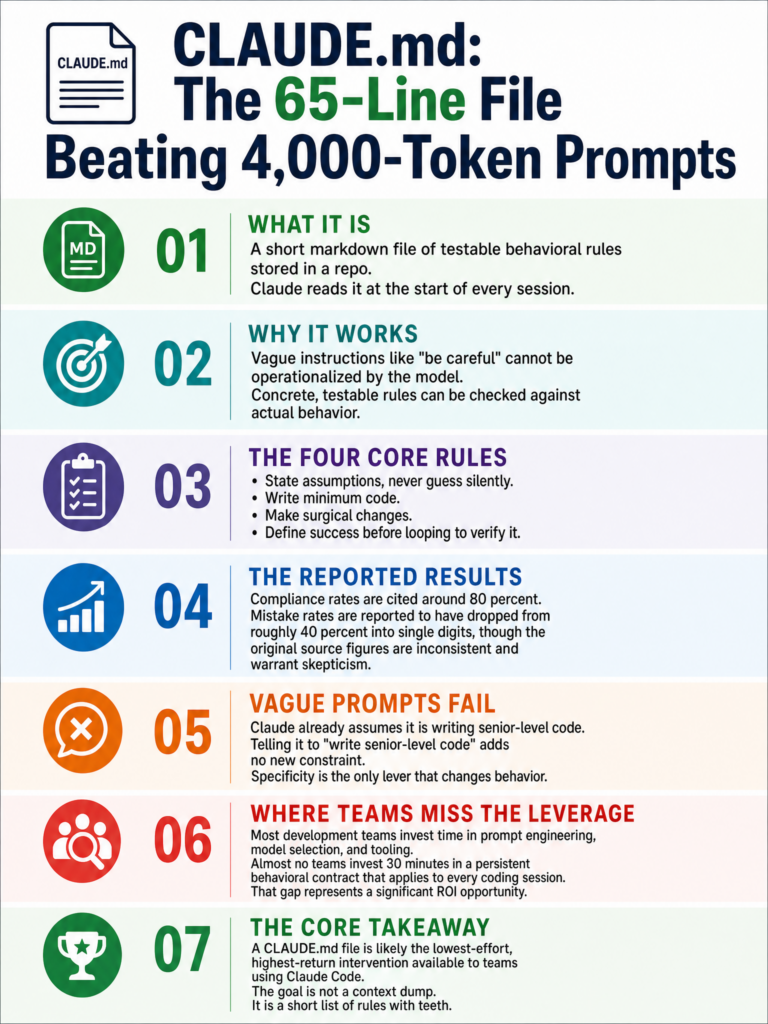
3. A `CLAUDE.md` file explaining how to work with this system.
Use Case 2: Migrating a Custom DSL (Domain-Specific Language)
Facing a home-grown config or templating language? Provide examples and ask for a translator:
Here are 50 example files in our legacy DSL (`*.cust`). Here is a PDF of the old internal wiki describing it. Please:
1. Document the full syntax and semantics.
2. Write a transpiler that converts these files to modern JSON/YAML.
3. Flag any ambiguous constructs for my review.
Use Case 3: Recovering from Partial Repository Loss
If you've lost source but have binaries, logs, or configs, you can still recover logic. Feed Claude Code any artifacts you have and ask: "Given these outputs and configuration files, what can you infer about the generating system's logic? Propose a reconstruction."
The Critical Prompting Insight
The developer didn't provide step-by-step instructions. The open-ended directive ("figure it out and rebuild") gave Claude Code the agency to formulate its own plan. This agentic approach—where you define the goal, not the steps—is where Claude Code shines over simple code completion.
Try this starter prompt for your own legacy analysis:
"You are a software archaeologist. Analyze the provided files and manual. Your goal is to reconstruct a working understanding of the system. Propose and then execute a plan to build a functional replica or documentation. Ask me questions if you need clarification on ambiguous patterns."
gentic.news Analysis
This case study is a textbook example of the agentic coding trend that Claude Code is built for. It follows the recent launch of Claude Code's Computer Use feature (2026-03-30), which expanded its ability to interact with applications and execute multi-step plans. The developer's success hinged on giving Claude Code autonomy, aligning with Anthropic's guidance against overly elaborate personas (2026-04-01) and instead focusing on clear goals.
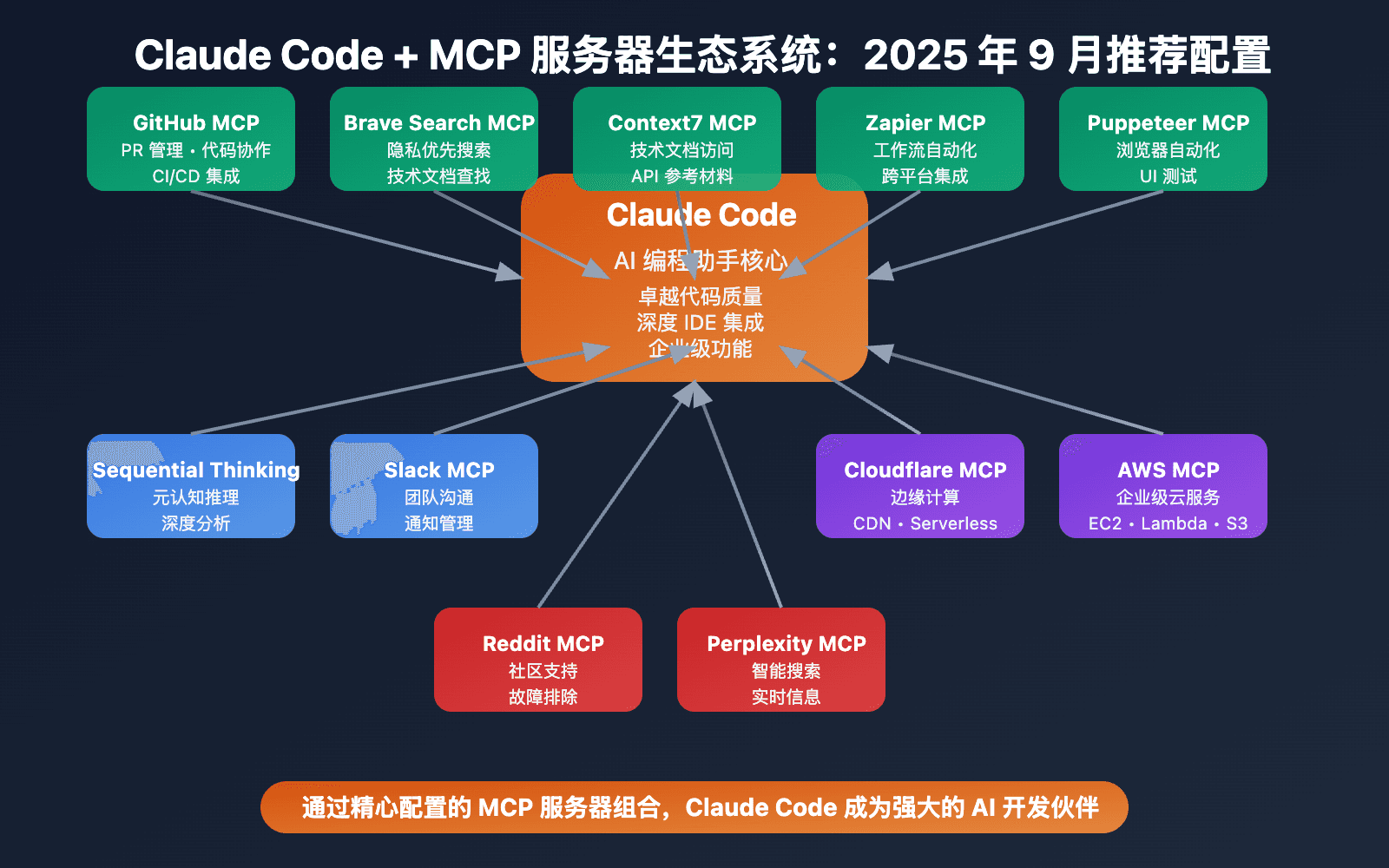
The story also highlights a shift from Claude as a coding assistant to a system analysis tool. This connects to the growing ecosystem of MCP (Model Context Protocol) servers we've covered, like the lightweight Rust-based tools, which extend Claude Code's reach into specialized domains. Reverse-engineering a custom language is a domain where pre-trained MCP servers wouldn't help—it requires the model's raw reasoning on unique data, which is exactly Claude Code's strength.
Trend data shows Claude Code was mentioned in 66 articles this week, indicating intense focus on its practical applications beyond basic code generation. This use case—recovering lost systems—is a high-value, non-obvious application that developers maintaining legacy infrastructure should immediately add to their toolkit.