India is making a decisive move to cement its position in the global artificial intelligence landscape by hosting the AI Impact Summit in New Delhi this week. The gathering brings together an unprecedented roster of technology leaders, including Alphabet CEO Sundar Pichai, OpenAI CEO Sam Altman, Anthropic CEO Dario Amodei, Reliance Chairman Mukesh Ambani, and Google DeepMind CEO Demis Hassabis. This high-profile assembly represents a strategic convergence of Western AI innovation and India's massive market potential, signaling a new chapter in global AI diplomacy.
The Summit's Strategic Significance
The AI Impact Summit follows similar government-hosted events in the United Kingdom, South Korea, and France, but with distinct Indian characteristics. Unlike previous gatherings that focused primarily on regulatory frameworks or ethical guidelines, India's summit emphasizes practical implementation, market access, and talent development alongside governance discussions. This approach reflects India's dual ambition: to shape global AI norms while positioning itself as both a major consumer and producer of AI technologies.
India's timing is particularly strategic. With over 900 million internet users and a rapidly digitizing economy, the country represents what industry leaders describe as "a critical growth market" for AI applications. The presence of both American AI pioneers (Altman, Amodei) and Indian corporate giants (Ambani) creates a unique dialogue between global innovators and local implementers.
Key Players and Their Agendas
Each attending CEO brings distinct priorities to the table:
- Sundar Pichai (Alphabet/Google): Likely to emphasize Google's investments in India's digital infrastructure, including AI research centers and partnerships with local startups. Google has already committed $10 billion to India's digitization fund.
- Sam Altman (OpenAI): Expected to discuss AI safety frameworks and potential collaborations with Indian developers, following his previous comments about India's unique position to develop AI solutions for global challenges.
- Dario Amodei (Anthropic): May focus on constitutional AI approaches and how safety-focused development can align with India's regulatory environment.
- Mukesh Ambani (Reliance): Represents India's domestic AI ambitions through Jio's massive telecom infrastructure and digital services ecosystem, potentially discussing public-private partnerships.
- Demis Hassabis (Google DeepMind): Could highlight fundamental AI research collaborations with Indian academic institutions.
India's AI Strategy and Global Positioning
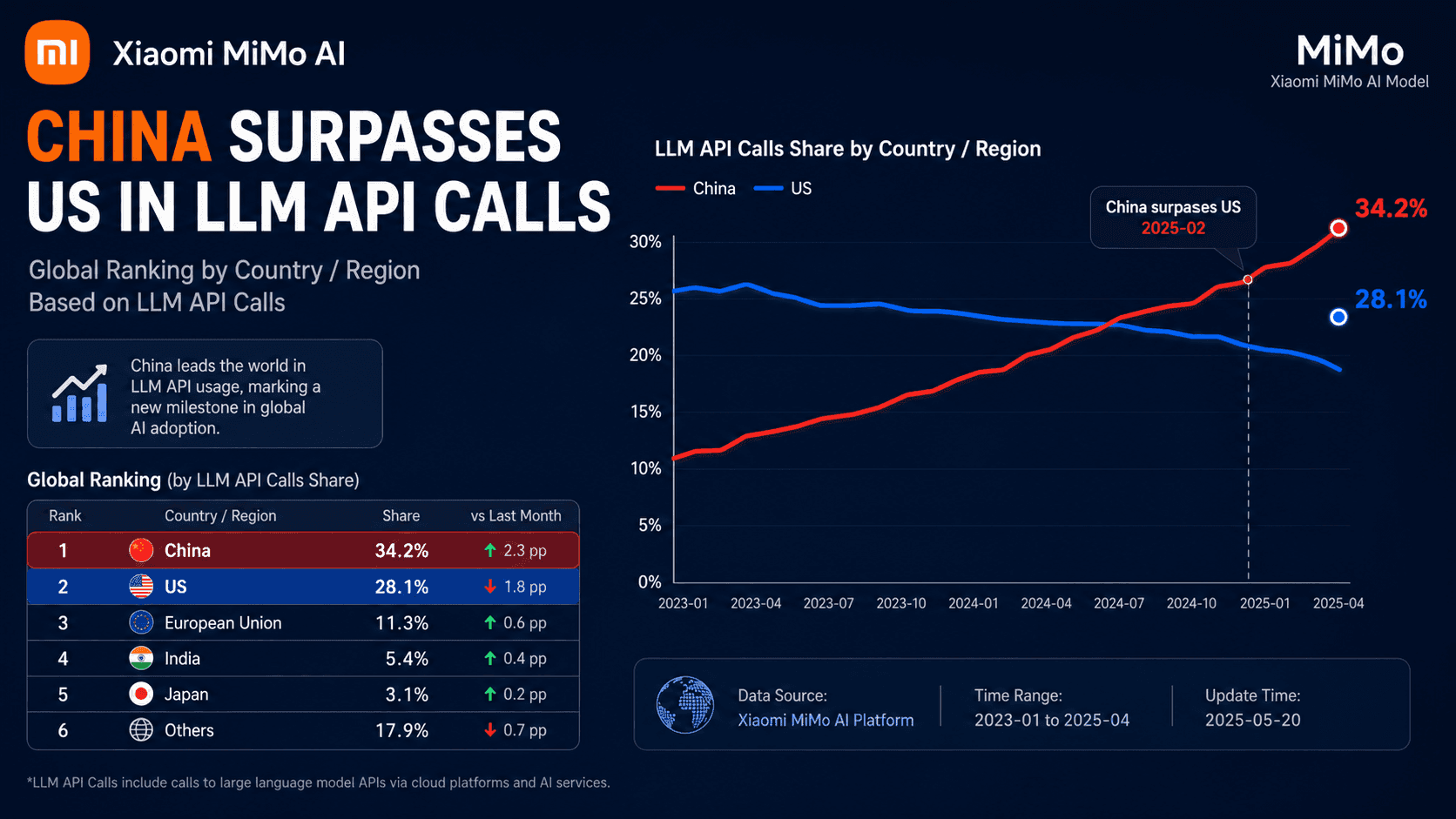
India's government has been methodically building its AI ecosystem through initiatives like the National AI Strategy and the establishment of Centers of Excellence across the country. The summit serves as both a showcase for these efforts and a platform to attract further investment. Unlike China's more insular AI development or Europe's regulation-first approach, India appears to be pursuing a middle path that welcomes global collaboration while developing domestic capabilities.
This positioning is particularly important as AI governance debates intensify globally. India's democratic credentials, combined with its technical talent pool (producing nearly 1.5 million engineering graduates annually), make it an attractive partner for Western companies seeking alternatives to Chinese manufacturing and development ecosystems.
Market Implications and Investment Potential
The summit occurs as global tech companies increasingly view India not just as a market for existing products, but as a laboratory for AI innovation. Several factors drive this interest:
- Scale: India's population provides unparalleled data diversity for training AI systems
- Talent: Competitive software development costs and growing AI research capabilities
- Infrastructure: Rapid improvements in connectivity through 5G and broadband expansion
- Policy: Generally favorable regulatory environment compared to some Western markets
Reliance's participation is particularly noteworthy, suggesting potential collaborations between global AI firms and India's largest conglomerate. Such partnerships could accelerate AI adoption across sectors from agriculture to healthcare, addressing India's unique challenges while creating exportable solutions.
Challenges and Considerations
Despite the optimistic tone, significant challenges remain. Digital infrastructure gaps persist in rural areas, and data privacy concerns are growing among Indian citizens. The government must balance its pro-innovation stance with appropriate safeguards, particularly as it develops its own AI regulations.
Additionally, there's tension between promoting domestic AI champions (like those in the Reliance ecosystem) and welcoming foreign giants. The summit's discussions will likely touch on how to create mutually beneficial partnerships rather than dependency relationships.
Global Context and Future Trajectory
India's summit represents the latest move in an ongoing geopolitical competition for AI leadership. By hosting this event, India positions itself as a crucial "swing player" capable of influencing whether AI development remains concentrated in a few Western countries or becomes more globally distributed.
The outcomes could shape:
- AI standards development: Will India align more with US-led initiatives or push for uniquely Global South perspectives?
- Talent flows: Can India retain its best AI researchers while attracting global experts?
- Investment patterns: Will this summit trigger increased venture capital flowing into Indian AI startups?
Conclusion: A Defining Moment for Global AI
India's AI Impact Summit represents more than just another conference—it's a strategic declaration of India's ambitions in the AI era. By bringing together the world's most influential AI leaders on its own soil, India demonstrates both its market importance and its governance aspirations.
The real test will come in the months following the summit, as announced collaborations materialize (or don't) and as India's domestic AI policy continues to evolve. What's clear is that the global AI landscape is becoming increasingly multipolar, with India emerging as a force that neither Western companies nor Chinese competitors can afford to ignore.
As Sundar Pichai, Sam Altman, and their peers address the New Delhi audience, they're not just speaking to Indian officials and entrepreneurs—they're acknowledging that the future of AI will be shaped as much in Mumbai and Bangalore as in Silicon Valley and Beijing.