The State of the Luxury Sector
The Business of Fashion (BoF) poses a critical question for the industry: Is the Luxury Comeback Still on Track? While the specific content of the article is not fully accessible via the RSS feed, the headline itself frames a pivotal moment of assessment for the luxury and retail sector. This question reflects ongoing volatility in global markets, shifting consumer confidence, and the post-pandemic recalibration of spending on high-end goods.
For AI leaders at companies like LVMH, Kering, and Richemont, the answer to this question directly informs strategic priorities. A robust "comeback" would justify aggressive investment in customer-facing AI, personalization, and immersive digital experiences. A stalled or uncertain recovery would pressure teams to focus AI efforts on operational efficiency, supply chain optimization, and cost containment—areas with clearer, faster ROI.
Why This Strategic Question Matters for AI Leaders
AI initiatives do not exist in a vacuum; they are funded and prioritized based on the overall health and strategic direction of the business. The "luxury comeback" narrative has been a driving force behind digital transformation budgets for the past few years. If that narrative is under threat, AI roadmaps may need to adapt.
- Investment Climate: A strong sector performance opens doors for experimental, long-horizon AI projects (e.g., generative AI for design, advanced virtual try-on). Uncertainty shifts focus to proven, scalable solutions with immediate impact on margins.
- Consumer Sentiment as Data: The factors influencing a "comeback"—geopolitical tensions, economic indicators in key markets like China and the US—are themselves critical data streams. AI teams should be modeling these macro-variables to predict demand and adjust inventory and marketing spend dynamically.
- The Efficiency Imperative: Regardless of the top-line growth answer, luxury is always under pressure to protect its exclusivity and margin. AI for demand forecasting, personalized inventory allocation, and automated customer service remains a non-negotiable priority, comeback or not.
Connecting to the Broader Tech Ecosystem
The luxury sector's trajectory is increasingly intertwined with the platforms and tools it adopts. As our Knowledge Graph shows, Google is a dominant entity in the AI landscape, with significant activity this week (appearing in 36 articles). Google's recent launches are not generic; they are increasingly commerce-specific.
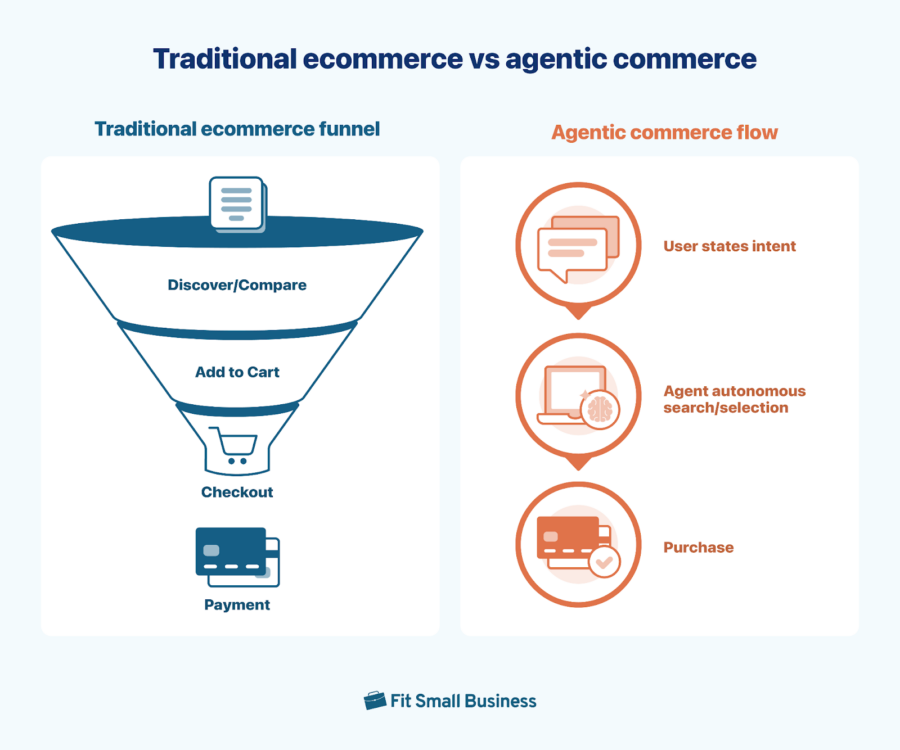
Most notably, this follows Google's launch of the Universal Commerce Protocol (UCP) just days ago, an open-source standard designed to secure agentic commerce. Furthermore, on March 25-26, Google launched an Agentic Sizing Protocol for retail AI, a clear move to provide infrastructure for AI agents that can handle complex, conversion-critical tasks like product sizing recommendations.
This context is vital. The question of a luxury comeback is also a question of digital infrastructure readiness. Are brands prepared to leverage these new agentic protocols to create superior, automated customer experiences? The competitive edge may go to those who can integrate these tools effectively, using AI to drive conversion and loyalty even in a softer market.
Strategic Recommendations for AI Teams
- Stress-Test Your Roadmap: Review your 2024-2025 AI portfolio. Which projects are growth-dependent, and which are efficiency-driven? Develop contingency plans.
- Double Down on Data Unification: A volatile market requires the most accurate, real-time view of the customer and operations. Prioritize breaking down data silos to fuel your AI models.
- Evaluate Agentic Commerce: Investigate emerging standards like Google's UCP and Agentic Sizing Protocol. Pilot small-scale agents for high-friction tasks (e.g., size advice, post-purchase care) to build capability regardless of the macro climate.
- Partner with Purpose: The flurry of activity from Google, and competition from OpenAI and Anthropic, means the vendor landscape is moving fast. Engage with these partners not just on technology, but on how their tools can address specific luxury sector vulnerabilities or opportunities highlighted by a potential slowdown.