Jensen Huang at GTC 2026 Declares 'Arrival of Physical AI' Amid Showcase of Advanced Robots

Jensen Huang at GTC 2026 Declares 'Arrival of Physical AI' Amid Showcase of Advanced Robots

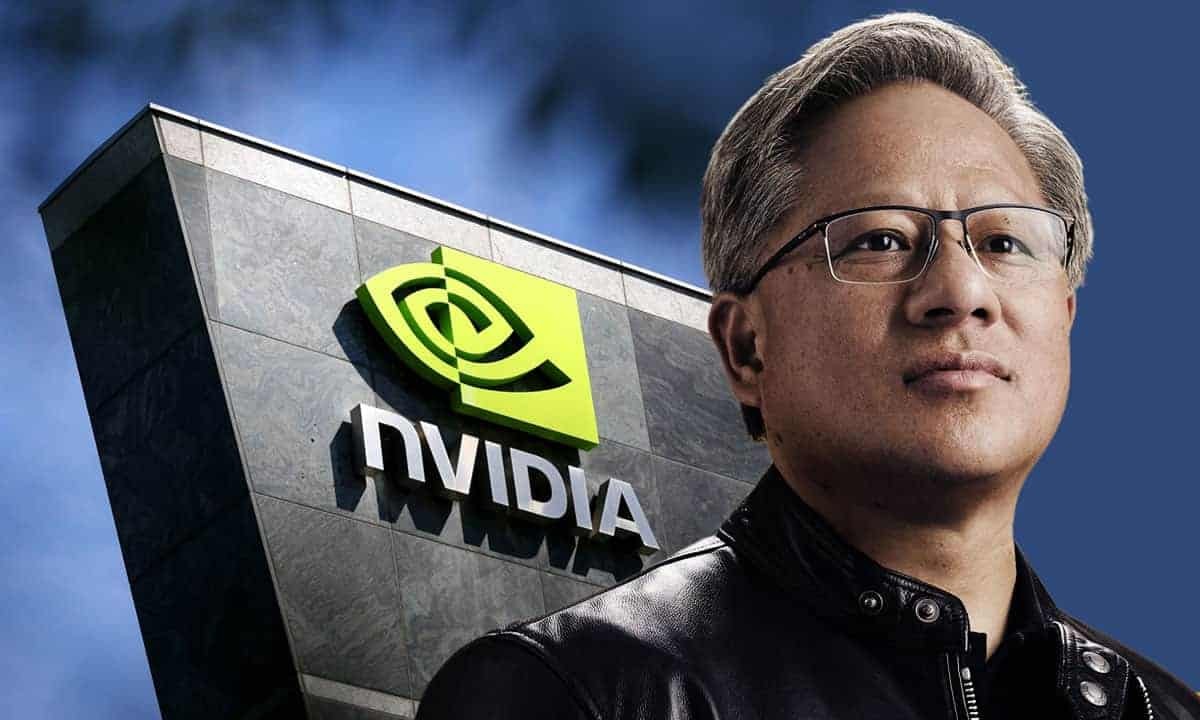
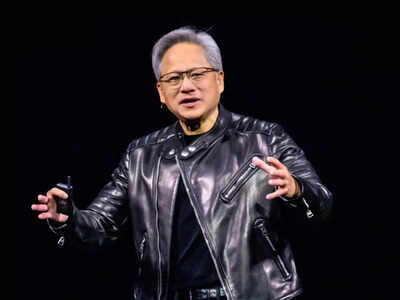
NVIDIA CEO Jensen Huang presented a major showcase of advanced robotics at GTC 2026, framing it as the arrival of 'physical AI.' The announcement signals a strategic push into embodied AI systems.

4h ago·2 min read·10 views·via @rohanpaul_ai
Share:

What Happened

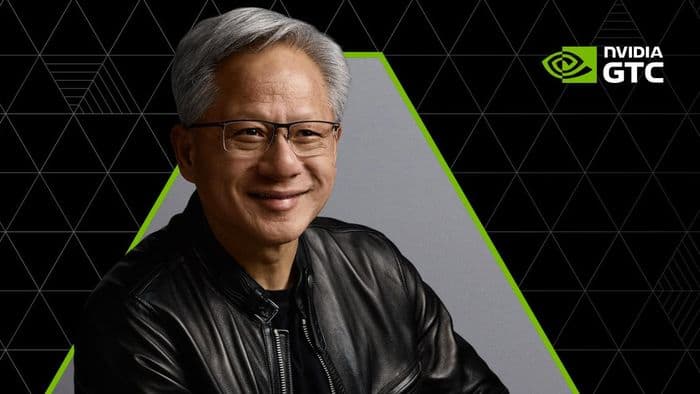
At NVIDIA's GPU Technology Conference (GTC) in 2026, CEO Jensen Huang delivered a keynote presentation centered on the company's vision for artificial intelligence in the physical world. The core moment, as reported, featured Huang standing "amid a forest of cutting-edge robots" to declare "the arrival of physical AI."

The term "physical AI" refers to AI systems that interact with and operate in the real, physical environment, as opposed to existing primarily in digital or data-processing domains. This encompasses robotics, autonomous vehicles, and other embodied intelligence systems.

Context

NVIDIA's GTC is its flagship conference for developers and researchers working in AI, accelerated computing, and graphics. Keynotes by Jensen Huang are typically used to announce major new hardware platforms, software stacks, and strategic initiatives.

The push into "physical AI" aligns with NVIDIA's established investments in platforms like NVIDIA Isaac for robotics, NVIDIA DRIVE for autonomous vehicles, and the Omniverse platform for simulation. The 2026 event appears to have been used to consolidate these efforts under a single, forward-looking banner and to showcase tangible progress in the form of operational robotic systems.

Reporting Note: This article is based on a social media post summarizing a keynote event. Specific technical details, new product names, performance benchmarks, or partnership announcements were not provided in the available source material. Further reporting from official NVIDIA channels or detailed press coverage would be required to elaborate on the specific robots shown, underlying technologies, or commercial availability.
AI Analysis

The declaration of 'physical AI' as having 'arrived' is a significant rhetorical and strategic framing from the industry's leading AI hardware company. It suggests NVIDIA believes the foundational technologies—perception, simulation, planning, and control—have matured enough to move from research labs and limited pilots into broader development and deployment phases. Practitioners should interpret this as a signal that NVIDIA will continue to heavily resource its full-stack offerings for robotics and autonomy, from chips like the Orin and Blackwell to software suites like Isaac and Omniverse. The emphasis likely serves two purposes: to attract developers and companies to build on NVIDIA's ecosystem for embodied AI, and to position the company as the essential infrastructure provider for the next major wave of AI application beyond large language models. The key technical implication is that the industry's challenge is shifting from model training to integration—creating reliable, safe, and cost-effective systems that can perform in unstructured environments. The showcase of multiple robots indicates a focus on diverse applications, from manufacturing and logistics to potentially more general-purpose platforms.
Original sourcex.com

Trending Now

More in Products & Launches

Browse more AI articles