Jensen Huang Disputes Anthropic CEO's $1T AI Revenue Forecast, Calls It 'Too Conservative'
NVIDIA CEO Jensen Huang publicly challenged Anthropic CEO Dario Amodei's prediction that AI will generate $1 trillion in revenue by 2030, stating the forecast is 'too conservative.'
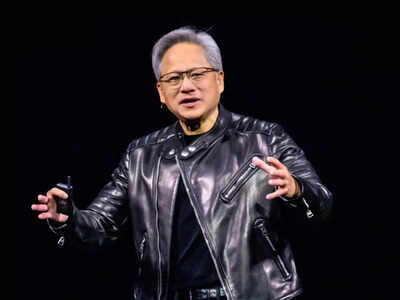
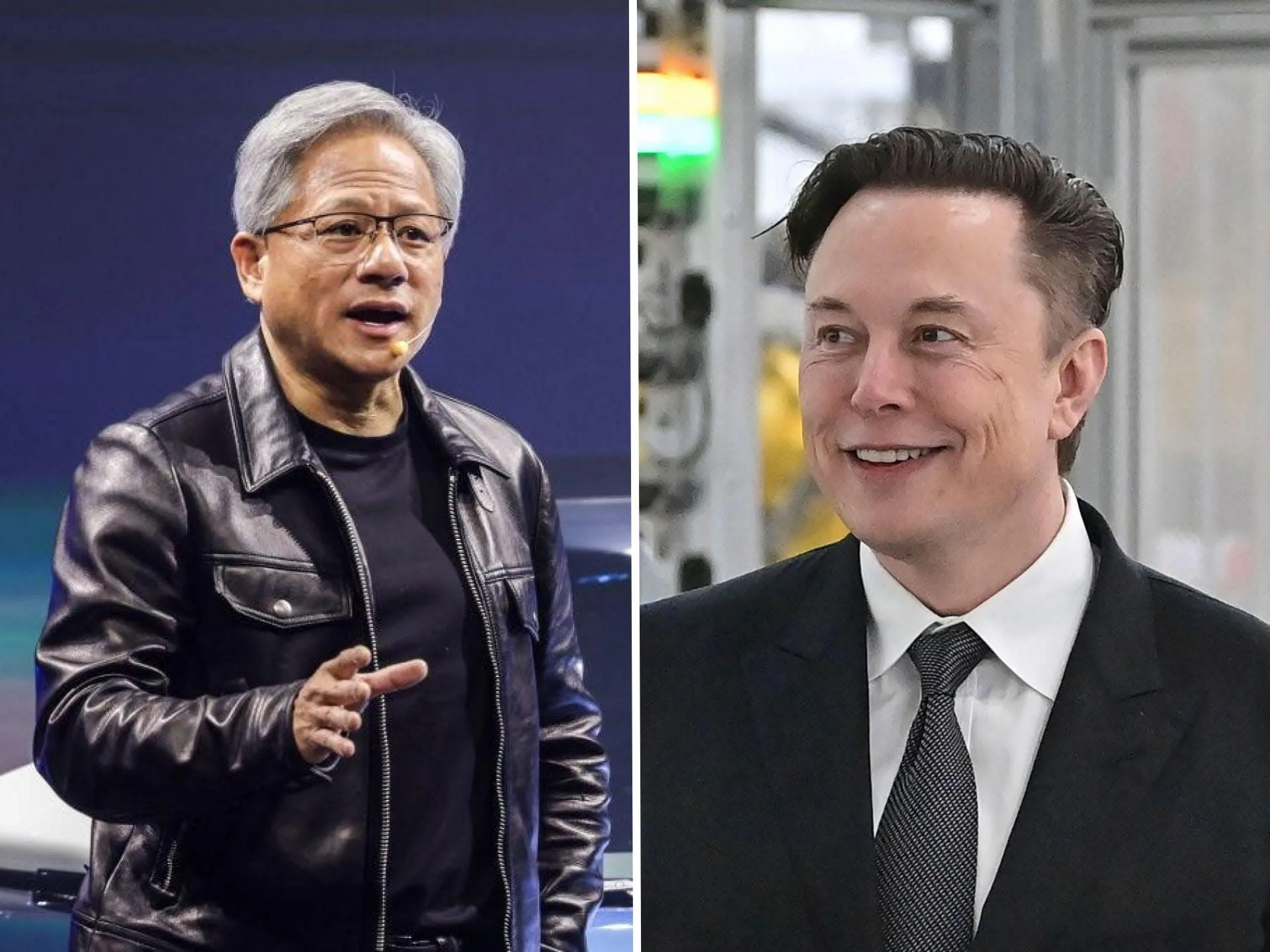
At a recent public appearance, NVIDIA CEO Jensen Huang directly addressed a major financial prediction made by Anthropic CEO Dario Amodei. According to a social media post from AI commentator Rohan Paul, Huang stated that Amodei's forecast of $1 trillion in AI-generated revenue by the year 2030 is "too conservative."
The comment, made during a discussion about the economic scale of artificial intelligence, positions Huang—whose company's hardware underpins much of the current AI boom—as even more bullish on the sector's near-term financial potential than the leader of a leading AI lab.
Context
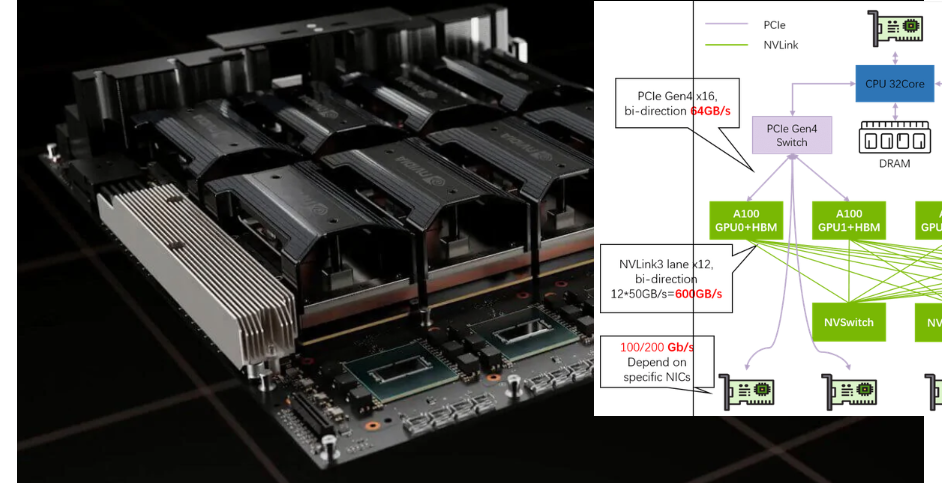
Dario Amodei, co-founder and CEO of Anthropic, has previously discussed the potential for AI to become a "trillion-dollar industry" by the end of the decade. This figure is often cited in discussions about the total addressable market (TAM) for generative AI products, services, and infrastructure. NVIDIA, as the dominant supplier of AI training and inference chips (GPUs), stands to capture a significant portion of this revenue through its data center segment, which already generates tens of billions in annual sales.
Huang's rebuttal suggests he believes the economic impact could be larger or arrive sooner than Amodei's projection. It follows a pattern of optimistic commentary from Huang on AI adoption, though he typically refrains from putting specific dollar figures on long-term forecasts.
The exchange highlights the high-stakes forecasting occurring at the highest levels of the AI industry, where predictions influence investment, hiring, and infrastructure planning.
AI-assisted reporting. Generated by gentic.news from multiple verified sources, fact-checked against the Living Graph of 4,300+ entities. Edited by Ala SMITH.
Following this story?
Get a weekly digest with AI predictions, trends, and analysis — free.
AI Analysis
This is a notable data point in the ongoing debate about the real economic scale of the AI boom. Huang's position is inherently conflicted but strategically significant: as the chief executive of the company that currently captures the largest share of AI infrastructure spending, his incentive is to project boundless growth. However, his specific pushback against a $1 trillion TAM by 2030—a figure already considered aggressive by many analysts—sets a new ceiling for industry optimism.
Practitioners should note that this rhetoric continues to shape capital allocation. Predictions from figures like Amodei and Huang directly influence venture funding rounds, corporate AI budget approvals, and hardware purchasing cycles. The disagreement isn't about whether AI will be big, but about the magnitude and timeline. For engineers and researchers, this sustained top-level optimism likely means continued investment in model scaling, new hardware architectures, and large-scale training runs, as the market expects returns on a multi-hundred-billion-dollar infrastructure build-out.
The key question Huang's comment raises is: what does 'too conservative' mean in practical terms? Does he envision a $1.5 trillion market? A $2 trillion market? Or does he believe the revenue will accrue faster, perhaps by 2028? The lack of a counter-number from Huang is telling—it's an assertion of greater optimism without the accountability of a specific forecast. This keeps the narrative focused on growth potential while allowing NVIDIA to navigate quarterly expectations without being tied to a decade-out number.