What Happened
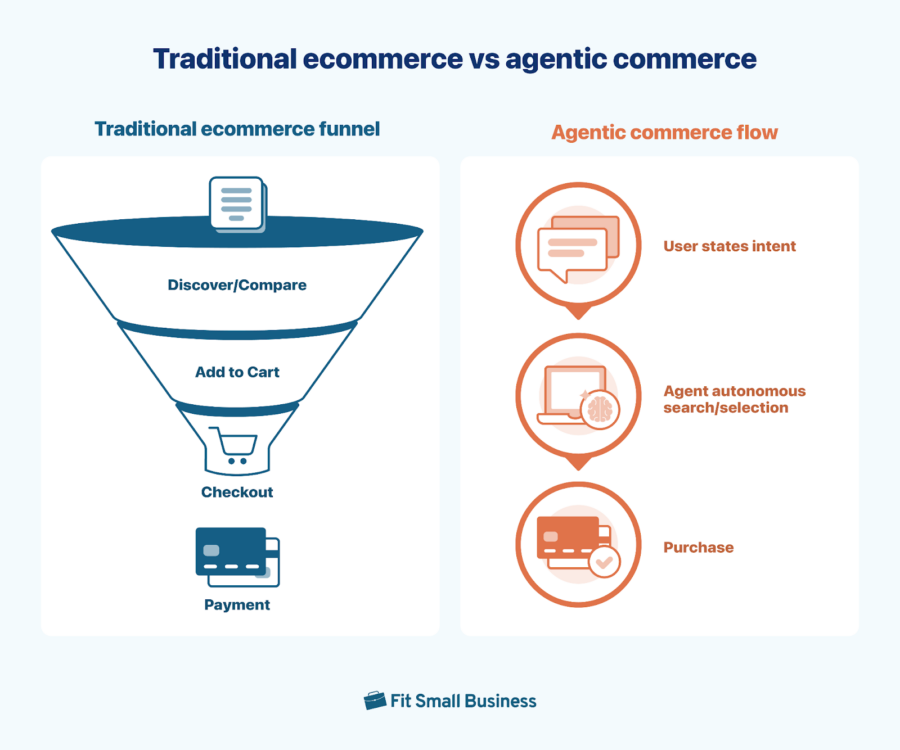
Klarna CEO Sebastian Siemiatkowski has outlined a vision for the future of commerce where AI agents, not brands, compete for the 'top of wallet' position — the first place a consumer turns to make a purchase. In an interview with Semafor, Siemiatkowski argued that as AI agents become more sophisticated, they will increasingly make autonomous purchasing decisions on behalf of consumers, shifting loyalty from traditional brand relationships to the agent itself.
This represents a fundamental shift in how consumer spending is directed. Today, brands invest heavily in building loyalty through marketing, product quality, and customer experience. In an agentic commerce world, the agent that best understands the consumer's preferences, negotiates the best deals, and executes purchases seamlessly will capture the 'top of wallet' status.
Technical Details
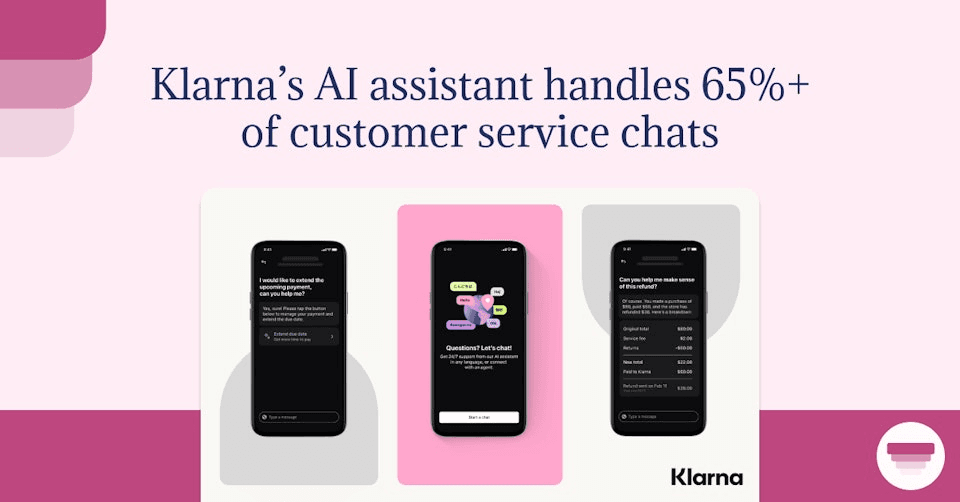
Klarna, the Swedish fintech company known for its buy-now-pay-later services, has been at the forefront of integrating AI into commerce. The company has already deployed AI-powered customer service agents and is exploring how AI can streamline the entire purchase journey. Siemiatkowski's comments reflect a broader industry trend where AI agents — powered by large language models and autonomous decision-making frameworks — are being designed to act on behalf of consumers.
Key technical components of this shift include:
- Autonomous decision-making: AI agents that can compare prices, check availability, and make purchases without human intervention.
- Personalization at scale: Agents that learn individual consumer preferences over time, tailoring recommendations and negotiations.
- Seamless integration: Agents that work across multiple retailers, payment systems, and logistics providers.
Retail & Luxury Implications
For retail and luxury brands, the rise of agentic commerce presents both an opportunity and a threat. On one hand, brands that can integrate with popular AI agents may gain access to new customer segments. On the other hand, if agents become the primary decision-makers, traditional brand loyalty could erode.
Luxury brands, in particular, may face challenges. The luxury shopping experience is often about emotion, exclusivity, and human touch — elements that are difficult to replicate through an AI agent. However, if agents can be trained to understand and prioritize these intangibles, luxury brands could still thrive.
For mass-market retail, the implications are more straightforward: price and convenience become paramount. Agents will optimize for the best value, potentially squeezing margins for brands that cannot differentiate on non-price factors.
Business Impact
While Klarna's vision is compelling, the timeline for widespread adoption of agentic commerce remains uncertain. Siemiatkowski's comments are forward-looking, and the technology is still in its early stages. However, the trend is clear: major tech companies, including Google (which has invested heavily in AI agents through its Gemini models and Google Cloud), are racing to build the infrastructure for agentic commerce.
For retailers, the immediate action item is to ensure their digital storefronts are 'agent-ready' — meaning they can be easily accessed and parsed by AI agents. This includes:
- Standardizing product data formats (e.g., schema.org markup)
- Offering APIs for price and availability queries
- Ensuring checkout flows are compatible with automated agents
Governance & Risk Assessment
The shift to agentic commerce raises several governance questions:
- Consumer trust: Will consumers trust agents to make purchasing decisions on their behalf? This is especially critical for high-value or emotionally significant purchases.
- Data privacy: Agents will need access to personal preferences, financial data, and browsing history. Ensuring this data is handled securely and ethically is paramount.
- Bias and fairness: Agents must be designed to avoid bias in recommendations and pricing.
- Regulatory compliance: As agents become more autonomous, regulators may step in to ensure fair competition and consumer protection.
gentic.news Analysis
Klarna's vision aligns with broader trends we've been tracking at gentic.news. Google DeepMind's recent addition of async agents and MCP support to the Gemini API (covered July 8, 2026) directly enables the kind of autonomous decision-making Siemiatkowski describes. Similarly, Shopify's reinstatement with a 'Buy' rating from Bank of America (July 8, 2026) was explicitly tied to agentic commerce potential.
However, we caution against overhyping the timeline. The 'top of wallet' concept assumes a level of consumer trust and technical maturity that may take years to achieve. For now, the most practical application is in low-stakes, repeat purchases — think groceries, office supplies, or subscription renewals.
Luxury and high-end retail should monitor these developments closely but focus on building agent-compatible interfaces without ceding the emotional connection that defines their brand. The winners in agentic commerce will be those that can make their products discoverable by agents while still delivering a human experience when it matters most.
Source: news.google.com