Key Takeaways
- Klaviyo launched Composer and Analyst AI agents in public beta on July 1, 2026, embedding them in its CRM for real-time marketing and service use.
- This matters as AI agents gain traction in retail CRM, with 249 prior articles on the technology.
What Happened
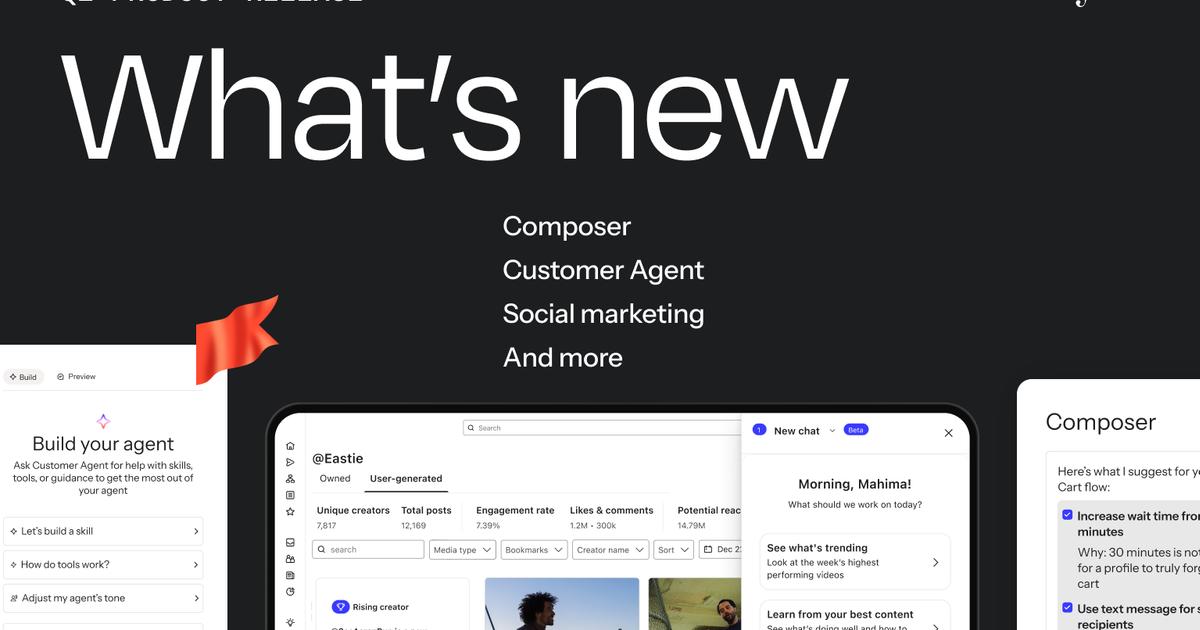
Klaviyo, a customer relationship management (CRM) technology provider, announced the public beta launch of two AI agents: Composer and Analyst. These agents are built directly into the Klaviyo platform, enabling them to access and act on real-time customer data shared across marketing and service functions.
Composer is designed to help marketers generate content, such as email copy or campaign messages, while Analyst focuses on interpreting customer data to surface actionable insights. Both agents operate from a unified data layer, meaning they have context on customer interactions regardless of channel.
This move aligns with a broader industry trend: AI agents have been mentioned in 249 prior articles tracked by gentic.news, with growing adoption in CRM and marketing automation. Klaviyo's approach — embedding agents natively rather than bolting them on — aims to reduce data silos.
Technical Details
The agents run on Klaviyo's existing cloud infrastructure, which processes real-time customer event streams. They leverage large language models (LLMs) for natural language generation and analysis, but Klaviyo has not disclosed which underlying models power Composer and Analyst.
Key technical features:
- Shared context: Agents access the same customer profile data, including purchase history, browsing behavior, and past campaign interactions.
- Real-time operation: Data is processed as events occur, enabling timely responses like personalized offers or triggered messages.
- Beta limitations: As a public beta, functionality may evolve, and Klaviyo is likely gathering feedback on accuracy, latency, and user experience.
Retail & Luxury Implications
For retail and luxury brands using Klaviyo — which serves many e-commerce merchants — these agents could streamline two common tasks:
Content creation (Composer): Generating personalized email campaigns for segments like high-value customers or cart abandoners. In luxury, where tone and brand voice are critical, Composer may need careful calibration to avoid generic output.
Data analysis (Analyst): Identifying trends in customer behavior, such as which products drive repeat purchases or which segments are most responsive to discounts. For luxury brands, Analyst could flag shifts in demand for seasonal collections.
However, the beta status means reliability is unproven. Retailers should test agents on non-critical campaigns first.
Business Impact
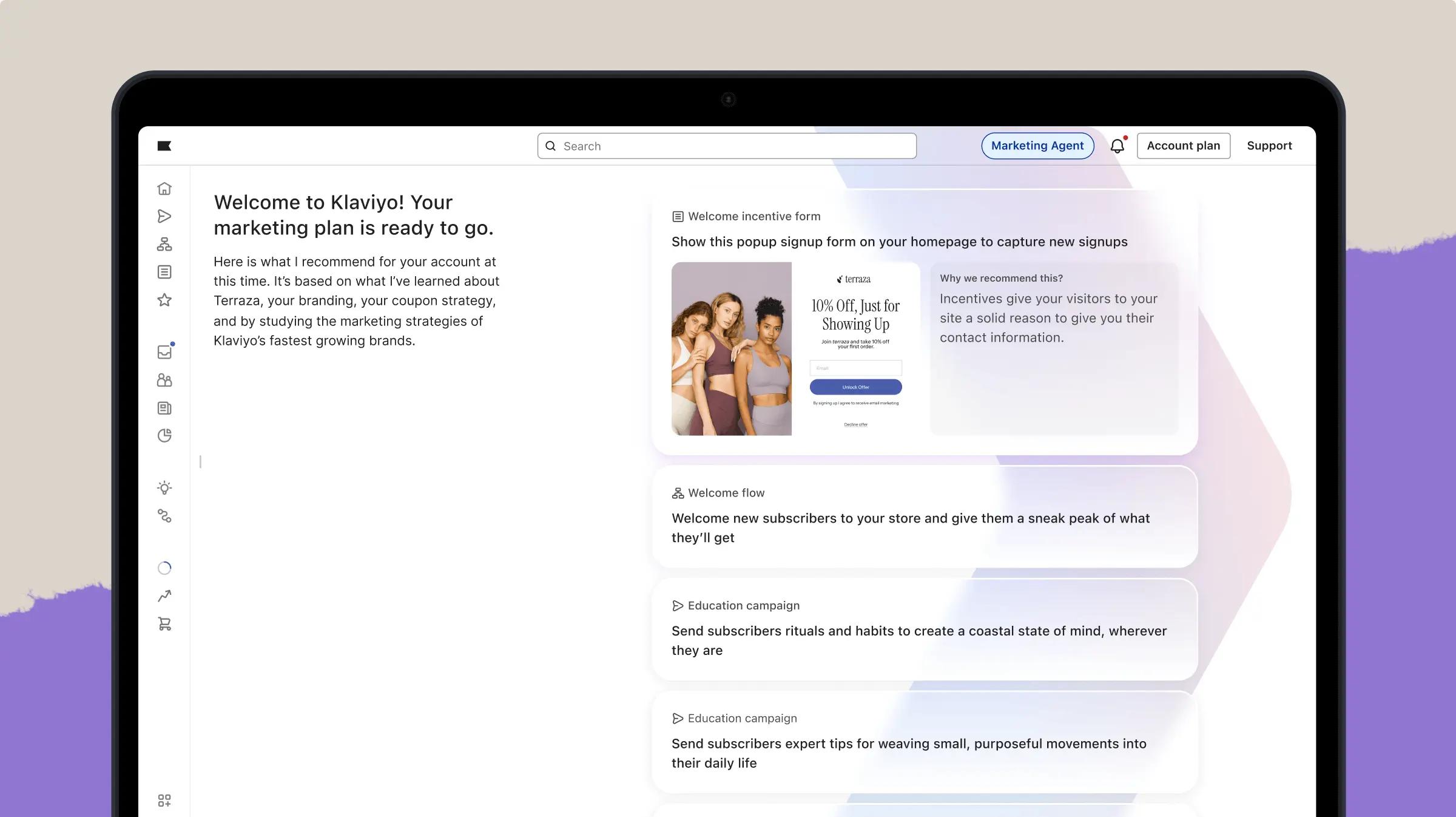
Klaviyo competes with platforms like Salesforce Marketing Cloud and HubSpot. If Composer and Analyst reduce the time marketers spend on repetitive tasks, the ROI could be significant: faster campaign creation and more data-driven segmentation. But Klaviyo has not published metrics on performance improvements.
Implementation Approach
For retailers already on Klaviyo:
- Enable beta features: Access via Klaviyo's settings panel.
- Define guardrails: Set brand guidelines for Composer (e.g., forbidden phrases, tone rules).
- Monitor accuracy: Review Analyst's outputs against internal dashboards to catch errors.
- Scale gradually: Start with one campaign type (e.g., welcome emails) before expanding.
Governance & Risk Assessment
- Privacy: Agents use existing customer data; ensure compliance with GDPR/CCPA when generating content.
- Bias: LLMs can produce biased language; human review is essential for luxury brands with strict inclusivity standards.
- Maturity: Beta — expect bugs and limited support. Critical workflows should not rely solely on agents.
gentic.news Analysis
Klaviyo's agent launch is a pragmatic step, not a moonshot. By embedding agents into an existing CRM, they reduce friction for adoption — marketers don't need to learn new tools. However, the real test is whether Composer and Analyst deliver consistent quality across diverse retail verticals. Luxury brands, with their emphasis on exclusivity and personalization, will demand high fidelity. We'll be watching for case studies in the coming months.
For AI practitioners: this signals that agent-based marketing is moving from experimental to operational. Expect competitors to follow with similar features, potentially integrating with MCP servers (as Google Cloud did on July 1) to extend agent capabilities.
Source: digitalcommerce360.com
[Updated 04 Jul via digital_commerce_360]
On the same day as Klaviyo's beta launch, payments provider Square announced integrations with OpenAI's ChatGPT and Anthropic's Claude to enable agentic commerce. Square's app for ChatGPT and plugin for Claude aim to help sellers "get discovered and transact at the exact moment customers are making purchasing decisions through AI-powered conversations" [per Digital Commerce 360]. This parallel move highlights a broader industry push to embed AI agents directly into commerce workflows.