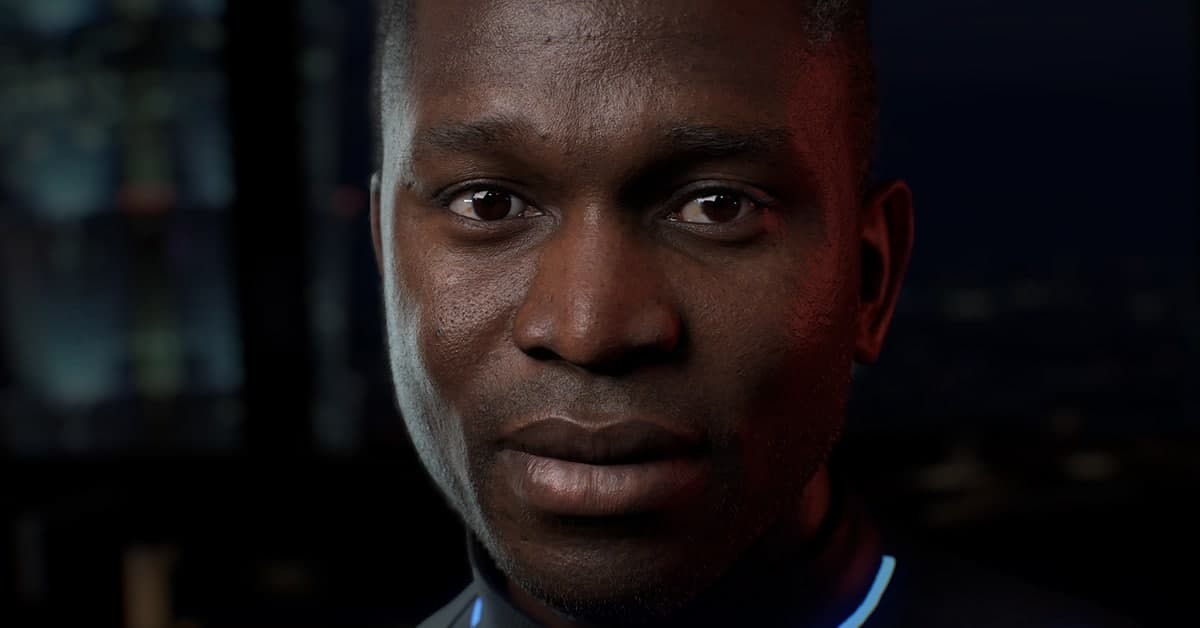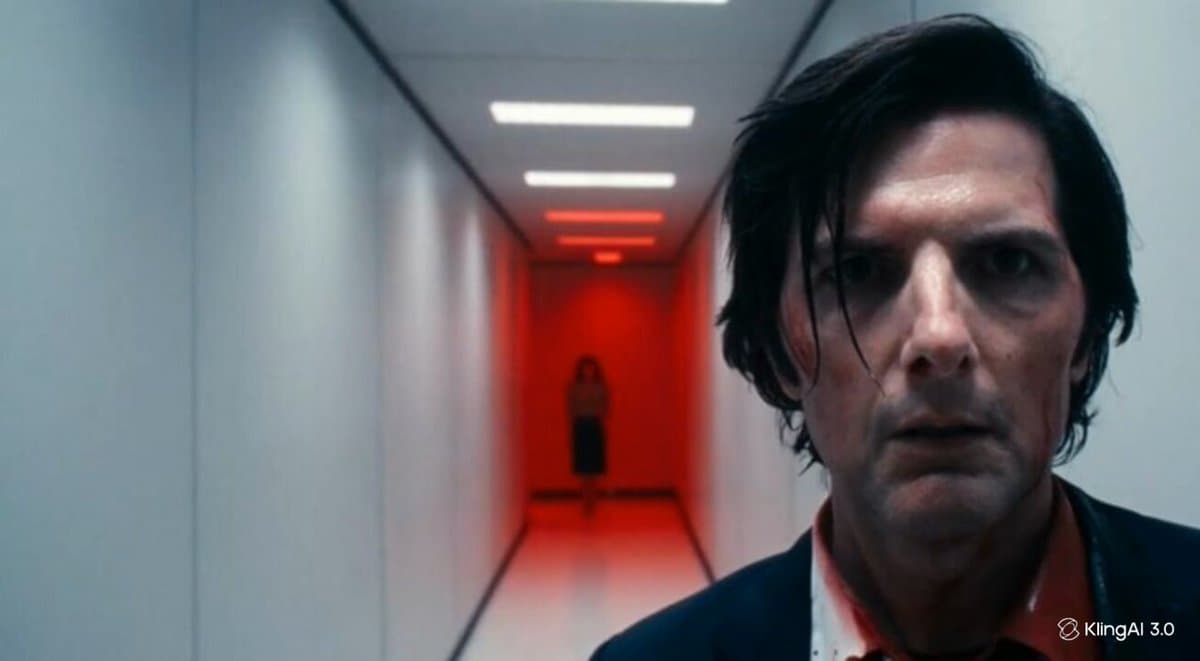
Chinese AI company Kling has officially launched Kling 3.0 alongside its groundbreaking Kling 3.0 Motion Control feature, marking a substantial advancement in the rapidly evolving field of AI video generation. The announcement, made via social media, signals the company's continued push to compete in the increasingly crowded AI video market dominated by players like OpenAI's Sora, Runway, and Pika Labs.
The Motion Control Breakthrough
While specific technical details from the announcement are limited, the introduction of "Kling 3.0 Motion Control" represents the most significant aspect of this release. Motion control in AI video generation refers to the ability to precisely direct and manipulate movement within generated video sequences. This goes beyond simple text-to-video generation by allowing users to specify how elements should move through space and time.
Traditional AI video generators typically interpret text prompts to create videos with implied motion, but users have limited control over the exact trajectory, speed, or timing of movements. Kling 3.0 Motion Control appears to address this limitation, potentially offering more granular control over animated elements within generated videos.
Context in the AI Video Landscape
The release comes at a critical moment in AI video development. Earlier this year, OpenAI's Sora demonstrated remarkable capabilities in generating realistic, physically coherent videos from text prompts, setting a new benchmark for the industry. Meanwhile, established players like Runway have continued to refine their tools, and newcomers like Luma AI have entered the space with impressive demonstrations.
Kling, developed by Chinese technology company Shengshu Technology, has been positioning itself as a serious contender in this space. Previous versions of Kling have shown promising results in generating high-quality, realistic videos from text descriptions. The addition of motion control capabilities in version 3.0 suggests the company is focusing on differentiating itself through enhanced user control rather than just improving output quality.
Technical Implications and Applications
Motion control in AI video generation represents a significant technical challenge. It requires the model to understand not just what objects should appear in a scene, but how they should move through three-dimensional space over time. This involves complex understanding of physics, object permanence, and spatial relationships.
Successful implementation of motion control could have wide-ranging applications:
- Film and Animation Pre-visualization: Directors and animators could quickly prototype complex motion sequences
- Advertising and Marketing: Brands could generate product demonstrations with specific movement patterns
- Educational Content: Teachers could create animated explanations with precisely controlled movements
- Game Development: Developers could prototype character animations and environmental effects
- Social Media Content: Creators could produce engaging short videos with customized motion elements
Competitive Positioning
Kling's focus on motion control represents a strategic differentiation in the AI video market. While most competitors are racing to improve video quality, length, and realism, Kling appears to be prioritizing user control and precision. This could appeal to professional users who need specific outcomes rather than just impressive demonstrations.
However, the success of this approach will depend on implementation details not yet revealed in the announcement. Key questions remain about the user interface for motion control, the precision achievable, and whether the feature maintains the overall quality of Kling's video generation.
The Road Ahead for AI Video
The release of Kling 3.0 with motion control capabilities highlights several trends in AI video development:
- Specialization: As the field matures, different platforms are developing specialized features rather than pursuing identical capabilities
- User Control: There's increasing focus on giving users more precise control over generated content
- Professional Applications: Tools are evolving beyond novelty demonstrations toward practical professional applications
- Global Competition: Chinese AI companies continue to innovate and compete with Western counterparts
As with all AI announcements, the true test will come when users can actually experiment with the new capabilities. The social media announcement serves as a teaser for what's to come, but comprehensive testing and user feedback will determine whether Kling 3.0 Motion Control represents a meaningful advancement or incremental improvement.
Conclusion
Kling AI's release of version 3.0 with motion control capabilities represents an important development in the evolution of AI video generation technology. By focusing on user control over movement, Kling is addressing a significant limitation in current AI video tools and potentially opening new applications for the technology.
The announcement positions Kling as an innovator in the increasingly competitive AI video space, though details about implementation and performance remain to be seen. As AI video technology continues to advance, features like motion control will likely become standard expectations rather than differentiators, pushing the entire field toward more controllable, precise, and useful video generation tools.
Source: Announcement via @kimmonismus on X/Twitter