Key Takeaways
- MARGINAL is an open-source runtime governor that stops Claude Code from wasting tokens by observing repeated actions and intervening only with proof.
- Contribute via GitHub issues or try the demo to optimize your agent's efficiency.
What Changed — MARGINAL, a New Open-Source Governor for Claude Code
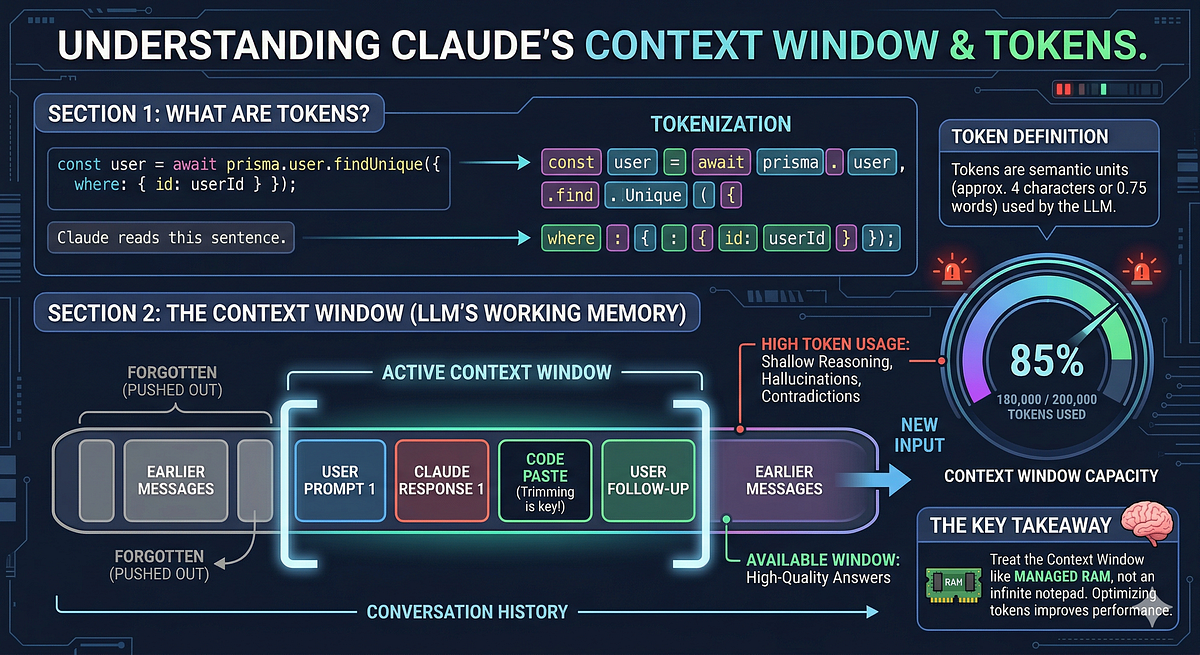
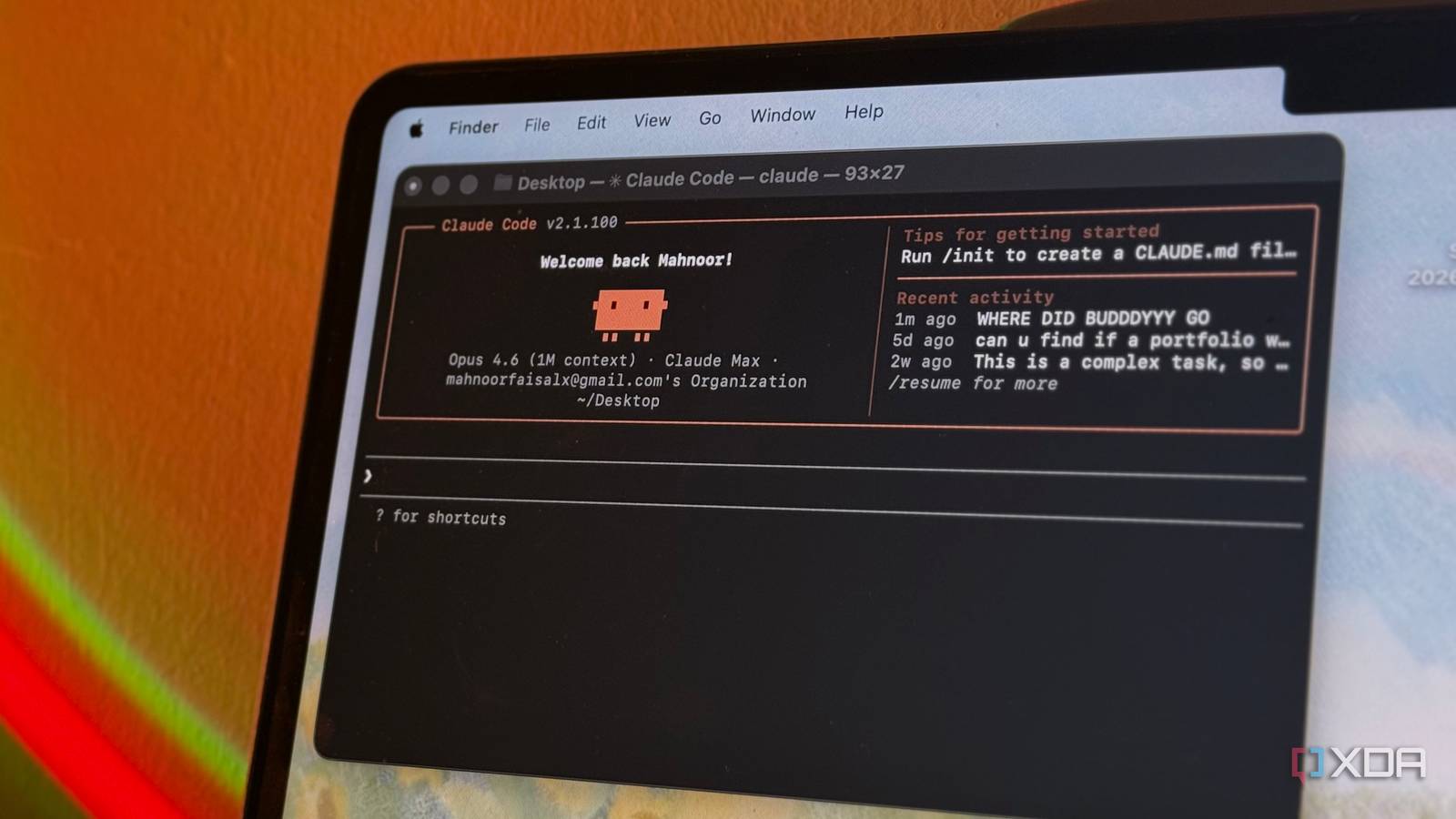
A developer is building MARGINAL, an open-source runtime governor for AI coding agents, and they want Claude Code users to contribute. The core problem it solves: coding agents often repeat actions, burn context/tokens, or keep trying things that produce no progress. MARGINAL observes that behavior, records evidence, and only intervenes after it has enough proof that the agent is stuck.
Currently, MARGINAL supports multiple agents:
- Codex — Tool Enforcement
- Claude Code — Observe
- OpenCode — Observe
- PrivacyCode — Observe
The Claude Code integration is in observe mode, meaning it watches but doesn't yet enforce. The maintainer has opened a set of Claude Code-specific issues on GitHub, each scoped for a focused PR, and explicitly invites you to "Break the Claude Code integration. If you can break it, I want the PR."
Repo: github.com/SignalLayerLabs/Marginal
Site: signallayerlabs.github.io/Marginal
Demo: signallayerlabs.github.io/Marginal/demo/#demo
What It Means For You
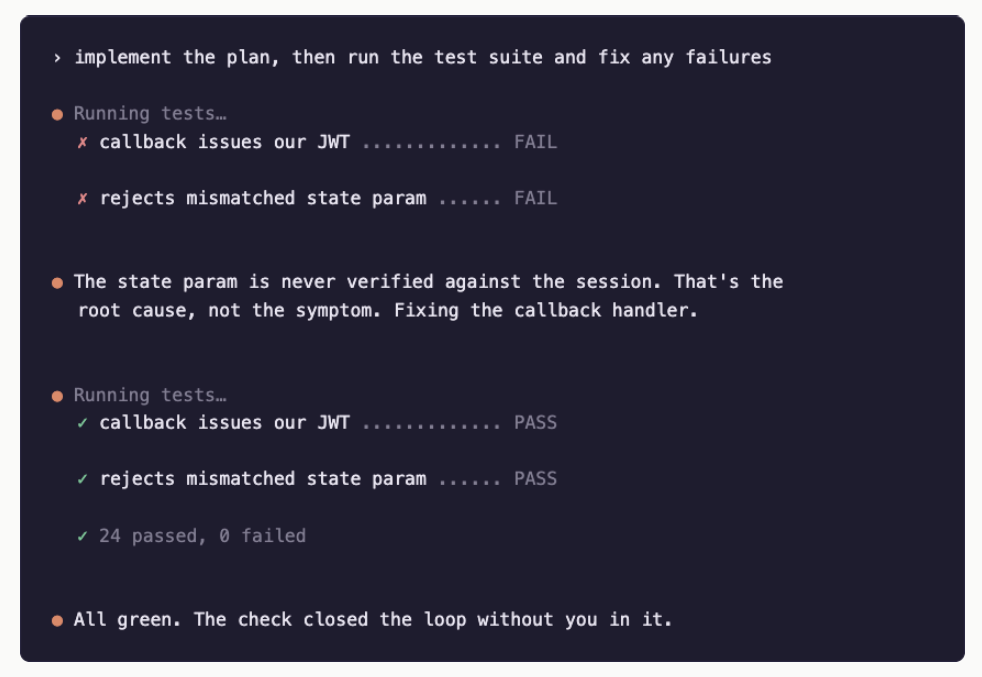
If you've ever watched Claude Code spin its wheels—re-running the same failing test, re-reading the same file, or re-attempting a blocked operation—you know the pain. Each cycle burns tokens and context, slowing your workflow and inflating cost. MARGINAL aims to detect this behavior and, eventually, force the agent to change course or stop.
For now, with Claude Code in observe mode, you can use MARGINAL to get visibility into how often your agent repeats actions. This is valuable even without enforcement: you can spot patterns like "Claude tried to edit config.js 5 times in one session" and adjust your prompts or CLAUDE.md accordingly.
On the roadmap is privacy-preserving, model-specific shared evidence memory. The goal is for MARGINAL to learn from real usage across sessions without collecting prompts, source code, file paths, or raw tool output. Claude and Codex keep separate evidence because they behave differently. This means future versions could warn you, "This task looks similar to one where Claude got stuck before—here's what worked."
Try It Now
- Clone and run MARGINAL to observe your Claude Code sessions:
git clone https://github.com/SignalLayerLabs/Marginal.git cd Marginal # Follow the README for setup - Run the demo to see how it detects repeated actions: demo link
- Contribute to the Claude Code integration. Pick one issue from the issues list, comment that you want to take it, work from the acceptance criteria, add tests, and open a PR. The maintainer especially wants contributors who use Claude Code heavily—"built with Claude Code, for Claude Code."
Key issues to look for:
- One-command install + clean uninstall
- Status / doctor / runtime attestation
- Lifecycle hook coverage
- Concurrency + subagent evidence isolation
- Adversarial privacy hardening
- Structured outcome attribution
- Model-specific Marginal Commons integration
- Verified Claude Code OFF vs MARGINAL Shadow benchmark
- Earned Enforcement evidence requirements
- Research a defensible Tool Enforcement boundary
Why It Works
The fundamental insight is evidence-based intervention. Instead of interrupting the agent at the first sign of trouble (which would be annoying and often wrong), MARGINAL waits until it has enough proof that the agent is looping or stuck. This reduces false positives and makes enforcement trustworthy. The privacy-preserving shared memory means it can learn from your past sessions without compromising sensitive data.
How To Apply It
- Use the observe mode now to audit your own Claude Code usage. Run MARGINAL alongside a session and review the evidence it collects. You'll likely find token-wasting patterns you can fix with better prompts or stricter permissions.
- Contribute to the enforcement boundary. The project needs research on what "tool enforcement" should look like for Claude Code. If you have opinions on when Claude should be forced to stop, this is your chance to shape it.
- Watch for the shared Commons. Once implemented, MARGINAL could share anonymized evidence across users, helping everyone avoid common pitfalls.
If you're not a contributor, at least star the repo and track its progress. A tool that stops token waste is worth watching.
Source: reddit.com