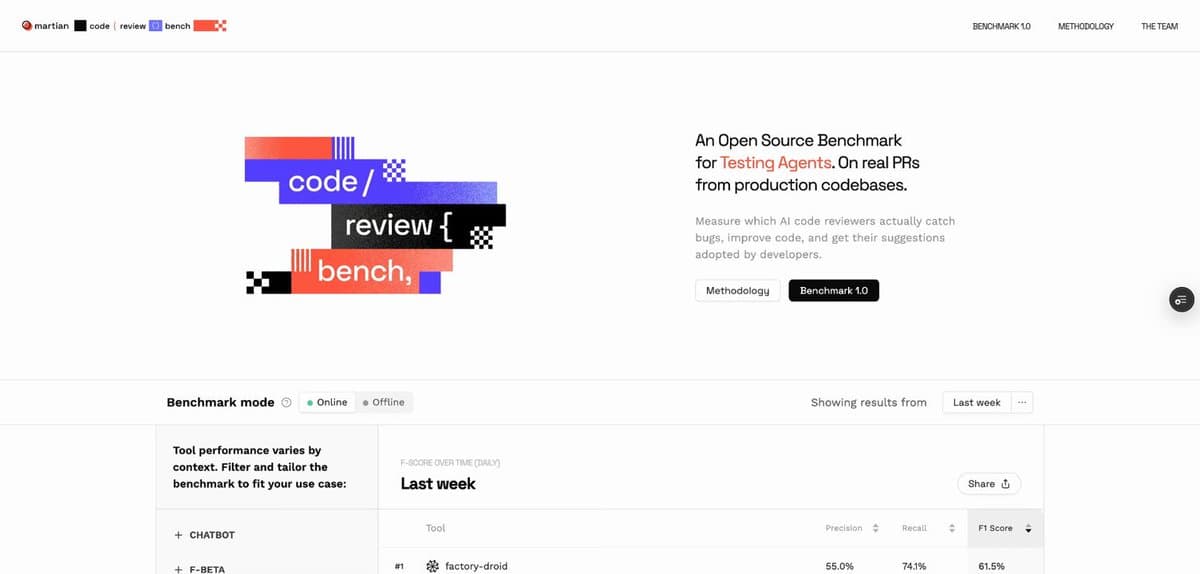
In a significant move for AI development transparency, researchers from leading AI labs—DeepMind, Anthropic, and Meta—have collaboratively introduced Code Review Bench, a new benchmark specifically designed to evaluate AI models' capabilities in code review tasks. Announced via social media by researcher Hasaan T., this initiative represents a rare cross-organizational effort to establish objective measurement standards in an increasingly competitive field.
What is Code Review Bench?
Code Review Bench is a comprehensive evaluation framework that assesses how well AI models can perform code review—the critical process of examining source code to identify bugs, suggest improvements, ensure adherence to coding standards, and maintain overall code quality. Unlike proprietary benchmarks tied to specific products, this benchmark has been developed with explicit "no conflicts of interest" and "no coding tool to sell," positioning it as a neutral measurement tool.
The benchmark likely includes diverse programming challenges across multiple languages, realistic code review scenarios, and standardized evaluation metrics. By creating this shared framework, the participating organizations aim to move beyond marketing claims and establish verifiable, comparable performance standards for AI coding assistants.
The Unusual Collaboration: DeepMind, Anthropic, and Meta
What makes Code Review Bench particularly noteworthy is its development by researchers from three of the world's most advanced AI research organizations:
- DeepMind (Google): Pioneers in reinforcement learning and AI systems like AlphaCode
- Anthropic: Creators of Claude and leaders in AI safety research
- Meta: Developers of Code Llama and significant contributors to open-source AI
This collaboration across typically competitive organizations suggests a shared recognition that standardized evaluation is crucial for advancing the field responsibly. The researchers involved have been described as "Martian researchers"—a term that may refer to their forward-thinking, boundary-pushing approach to AI development.
Why Standardized Code Review Benchmarks Matter
As AI coding assistants become increasingly sophisticated—from GitHub Copilot to Amazon CodeWhisperer to various proprietary systems—the need for objective evaluation has grown more pressing. Current assessments often suffer from several limitations:
- Proprietary benchmarks that favor specific implementations
- Narrow focus on code generation rather than review and improvement
- Lack of standardization making cross-model comparisons difficult
- Commercial incentives that may influence evaluation design
Code Review Bench addresses these issues by providing a neutral, comprehensive framework that all organizations can use to evaluate their systems. This transparency benefits both developers (who can make informed choices about tools) and the research community (which gains clearer understanding of AI capabilities and limitations).
Technical Implications for AI Development
The creation of Code Review Bench signals several important technical developments:
Increased Focus on Code Quality: While much AI coding research has emphasized code generation, this benchmark shifts attention to code quality assessment—a more complex task requiring deeper understanding of software engineering principles, potential edge cases, and security considerations.
Multi-Organizational Standards: The collaboration suggests that leading AI labs recognize the value of shared evaluation frameworks, potentially paving the way for similar benchmarks in other AI domains.
Advancing Code Understanding: Effective code review requires models to understand not just syntax but intent, potential side effects, and integration considerations—pushing AI systems toward more sophisticated comprehension of software systems.
Broader Industry Impact
For the software development industry, standardized code review benchmarks could have significant implications:
Tool Selection: Development teams will have objective criteria for comparing AI coding assistants beyond marketing claims.
Quality Standards: As AI-assisted code review becomes more common, standardized benchmarks help ensure these systems actually improve code quality rather than introducing new risks.
Education and Training: The benchmark could inform how AI coding tools are integrated into computer science education and professional development.
The "Martian" Perspective: Looking Beyond Immediate Commercial Goals
The description of the researchers as "Martian" and the emphasis on "just measurement" reflects an important philosophical stance in AI development. In an industry often driven by product cycles and competitive pressures, this initiative represents a commitment to foundational research and transparent evaluation.
This approach aligns with growing calls within the AI community for more collaborative, open scientific practices—even among organizations that compete commercially. By separating evaluation from product promotion, the researchers aim to establish credibility and trust in AI assessment methodologies.
Future Directions and Open Questions
While Code Review Bench represents significant progress, several questions remain:
- Will other major AI organizations adopt this benchmark?
- How will the benchmark evolve as AI capabilities advance?
- What similar collaborative benchmarks might emerge for other AI tasks?
- How will the balance between open evaluation and proprietary advantage be maintained?
The success of this initiative may depend on widespread adoption and ongoing maintenance by the research community.
Conclusion: A Step Toward Responsible AI Development
The launch of Code Review Bench by researchers from DeepMind, Anthropic, and Meta represents more than just another technical benchmark. It signifies a maturing approach to AI development—one that recognizes the importance of transparent, objective evaluation even in competitive domains.
As AI systems become increasingly integrated into software development workflows, establishing trust through verifiable performance standards becomes crucial. This collaborative effort to create neutral measurement tools suggests that leading AI organizations understand this responsibility and are taking concrete steps to address it.
The benchmark is available at the provided link, inviting the broader research community to engage with, utilize, and potentially contribute to this evolving standard for AI code review evaluation.