What Happened
Media technology company Mediagenix has announced the integration of AI-powered semantic search capabilities into its content management platform. According to the report from Digital Studio India, this enhancement aims to improve content discovery and personalization for broadcasters and media companies.
The semantic search functionality allows users to find content based on meaning and context rather than just keywords or metadata tags. This represents a shift from traditional search methods to more intelligent, AI-driven approaches that understand the semantic relationships between different pieces of content.
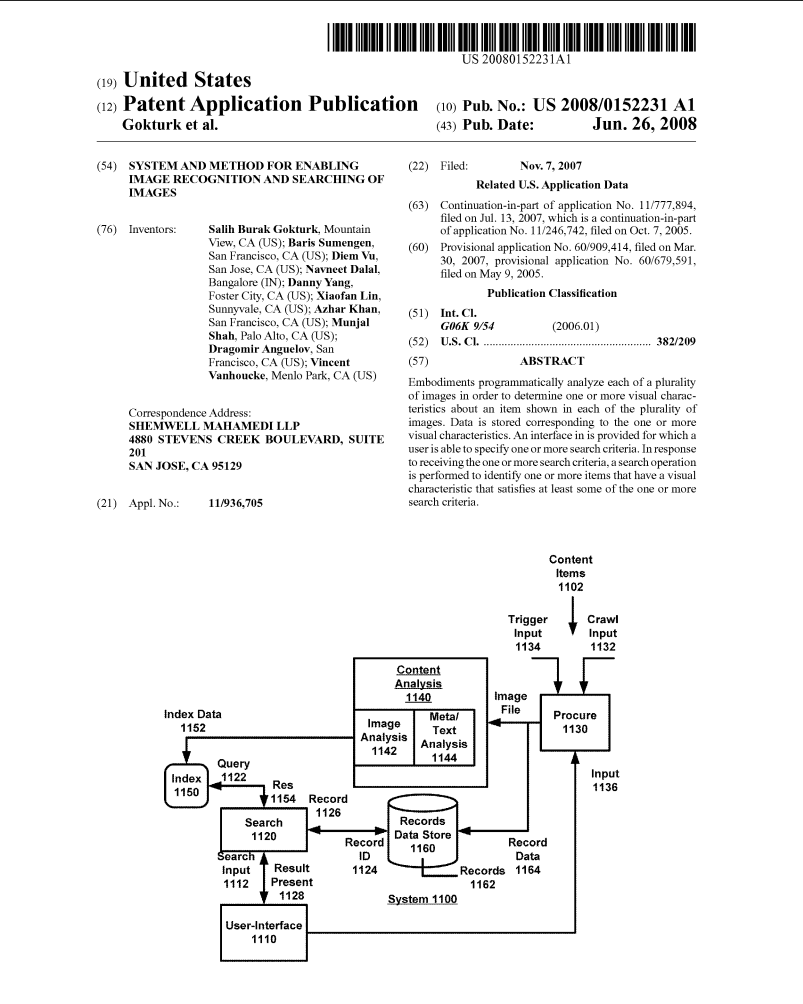
While specific technical details about the implementation weren't provided in the source, semantic search typically involves embedding technologies that convert text, images, or video into vector representations that capture semantic meaning. These embeddings can then be compared using similarity metrics to find content that's conceptually related even when it doesn't share exact keywords.
Technical Details
Semantic search represents a significant advancement over traditional keyword-based search systems. While the source doesn't specify which AI models or technologies Mediagenix is using, semantic search implementations typically involve:
Embedding Generation: Converting content (text, images, video metadata) into high-dimensional vector representations that capture semantic meaning
Vector Storage: Storing these embeddings in specialized databases optimized for similarity search
Query Processing: Converting user queries into the same embedding space and finding the closest matches
Ranking and Personalization: Adjusting results based on user behavior, preferences, and context
This follows a broader industry trend where companies are moving from simple keyword matching to understanding user intent and content meaning. The technology enables discovery of content that might not contain exact search terms but is conceptually relevant to what users are looking for.
Retail & Luxury Implications
While Mediagenix is focused on the media and broadcasting sector, the underlying technology has direct applications in retail and luxury:
Content Discovery for Digital Assets: Luxury brands maintain extensive digital asset libraries—product images, campaign videos, lookbooks, editorial content, and historical archives. Semantic search could enable creative teams to find "moody black-and-white campaign images from Fall 2023" or "handbag close-ups showing craftsmanship details" without relying on perfect metadata tagging.
Enhanced Product Search: Beyond simple keyword matching ("black dress"), semantic search could understand concepts like "elegant evening gown suitable for gala events" or "sustainable materials with artisanal craftsmanship." This bridges the gap between how customers describe what they want and how products are cataloged.
Personalized Content Delivery: For luxury e-commerce platforms and clienteling apps, semantic understanding of both content and customer preferences could enable more sophisticated personalization. The system could recommend editorial content, styling advice, or product education materials based on a customer's expressed interests and browsing behavior.
Archival and Historical Research: Heritage brands could use semantic search to navigate decades of design archives, finding connections between current collections and historical pieces based on design elements, materials, or thematic inspiration.
Cross-Channel Content Consistency: Ensuring that marketing messages, product descriptions, and brand storytelling maintain semantic consistency across different channels and touchpoints.
The challenge for luxury brands will be adapting these technologies while maintaining brand voice, aesthetic standards, and the nuanced understanding of craftsmanship and heritage that defines luxury positioning.