Meta's new research reveals agent harnesses remain mostly hand-authored, a bottleneck for scaling robust AI agents. The finding, shared via @omarsar0, underscores a critical gap in agent infrastructure.
Key facts
- Meta research: agent harnesses mostly hand-authored.
- Manual tuning hampers robustness at scale.
- Finding shared via @omarsar0 on X.
- No specific methods or benchmarks disclosed yet.
- Automation could improve agent reliability and deployment.
Meta's latest research, surfaced by @omarsar0 on X, contends that agent harnesses—the code and configuration that scaffold an AI agent's interactions with tools, APIs, and environments—are still predominantly authored by hand. According to @omarsar0, this manual approach makes it difficult to tune harnesses for robustness, a prerequisite for deploying agents in production at scale.
The problem is not new but is increasingly acute as agentic systems move from demo to deployment. Hand-authored harnesses are brittle: they encode implicit assumptions about tool schemas, error handling, and fallback logic that break when the environment shifts. Tuning them is a bespoke engineering effort, not a scalable discipline. Meta's framing suggests the field needs automated harness generation—perhaps via learned optimization or meta-programming—to close the gap.
Key Takeaways
- Meta research says agent harnesses are mostly hand-authored, limiting robustness.
- The field needs automated harness tuning to scale agents.
Why manual authoring persists
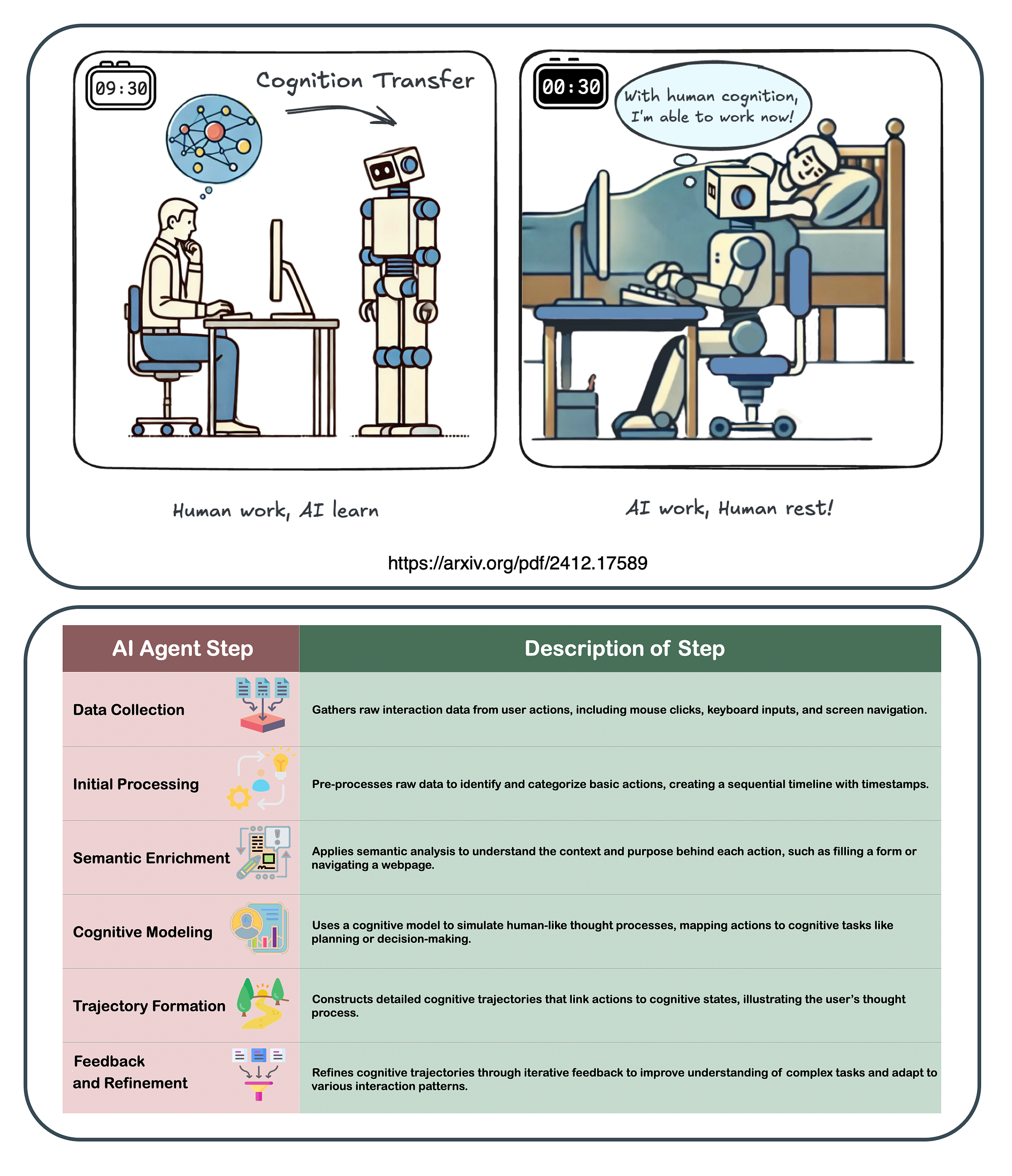
Despite advances in model reasoning, harness design remains a craft. Engineers write glue code for each tool, define retry policies, and hard-code guardrails. This is slow, error-prone, and hard to audit. The research implies that without automation, agent robustness will lag behind model capability, limiting real-world adoption.
The path to automation
Meta's pointer hints at a research direction: treating the harness as an optimizable artifact, not a fixed scaffold. This could involve search over harness configurations, learning from agent trajectories, or generating harness code from natural-language specs. The payoff is higher—agents that self-heal, adapt to new tools, and degrade gracefully—but the engineering lift is substantial.
Meta did not disclose specific methods or benchmarks in the post, leaving details to the full paper. The trend, however, is clear: the next frontier in agent reliability is not better models but better scaffolding, and Meta is signaling it wants to automate that too.
What to watch
Watch for Meta's full paper or technical report detailing automated harness optimization methods. If they release benchmarks comparing hand-tuned vs. auto-generated harnesses, that will signal whether the field can move beyond bespoke engineering. Also track adoption of harness-automation tools in open-source agent frameworks like LangChain or AutoGen.