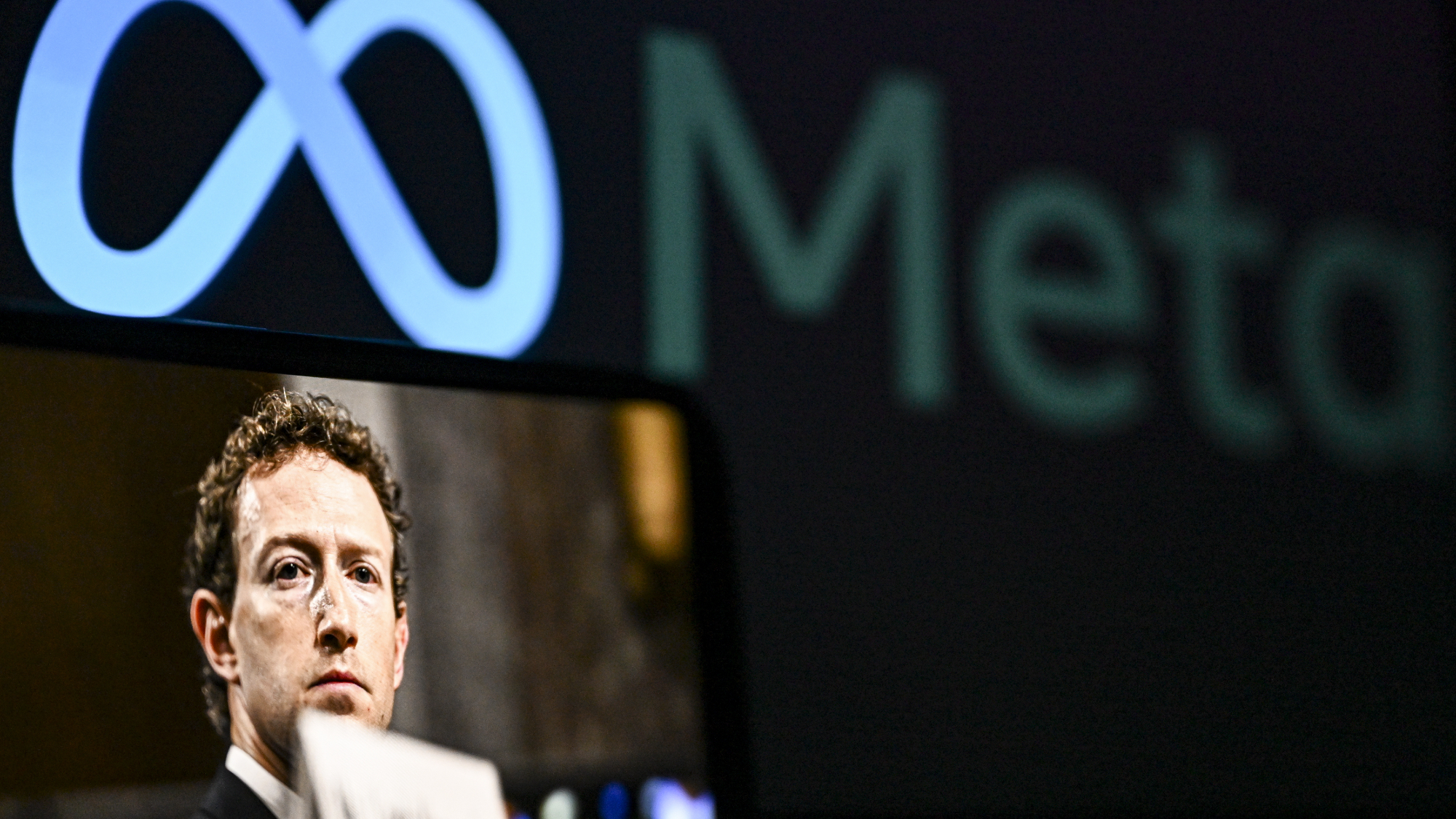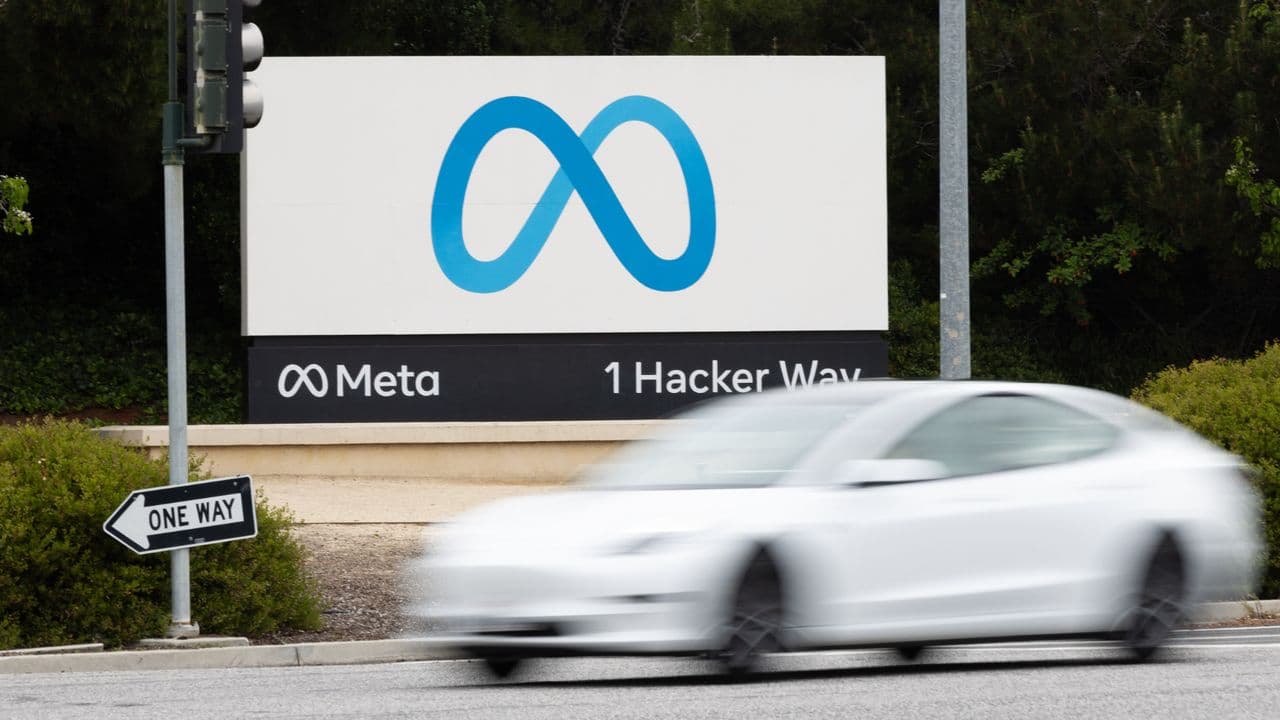
Meta laid off 8,000 employees on April 23, 2026, as CEO Mark Zuckerberg told staff that AI infrastructure spending is directly crowding out headcount. The cuts affect 10% of Meta's workforce and begin May 20.
Key facts
- 8,000 jobs cut — 10% of Meta's workforce
- 2026 capex guidance raised to $125B-$145B
- 2025 total capex: $72.2B
- Q1 2026 revenue: $56.31B (33% YoY increase)
- Q1 2026 net income: $26.8B
Meta CEO Mark Zuckerberg told employees at a company town hall on Thursday that the roughly 8,000 planned layoffs are a direct consequence of the company's ballooning AI infrastructure budget, Forbes reports. The cuts, which affect about 10% of Meta's workforce and are set to begin on May 20, come the same week the company raised its full-year 2026 capital expenditure forecast to between $125 billion and $145 billion, up from a prior range of $115 billion to $135 billion.
"We basically have two major cost centers in the company: compute infrastructure and people-oriented things," Zuckerberg said during the town hall, as heard by Reuters. With more capital flowing toward AI hardware, he said, there is less available for headcount. He also declined to rule out further reductions later in the year. Meta spent $72.2 billion on capex in all of 2025. The midpoint of its new 2026 guidance would nearly double that figure in a single year.
The timing undercuts any suggestion that Meta is cutting jobs out of financial necessity. The company's Q1 2026 earnings, reported on Wednesday, showed revenue of $56.31 billion, a 33% increase year over year, while net income hit $26.8 billion. Q1 capital expenditure alone reached $19.84 billion, and CFO Susan Li told investors she couldn't predict the company's optimal long-term workforce size given how quickly AI capabilities are evolving.
Zuckerberg's comments land in the middle of a growing debate about whether companies are using AI as a convenient justification for workforce reductions they would make regardless. OpenAI CEO Sam Altman raised the issue in February, telling CNBC at the India AI Impact Summit that some firms engage in "AI washing" by attributing layoffs to the technology when the actual reasons lie elsewhere.
Zuckerberg's explanation is more specific than most, explicitly pointing to infrastructure spending rather than AI-driven productivity gains as the driver, but that specificity raises its own tension. Nvidia’s VP of applied deep learning, Bryan Catanzaro, said earlier this week that compute already costs more than the employees on his team, and a 2024 MIT study also found AI automation was economically viable in only 23% of vision-related roles. If AI infrastructure is currently more expensive than the labor it supplements, the return on trading one for the other remains a dubious strategy.
Some employees have understandably criticized Zuckerberg and other executives on Meta's internal message board over the layoffs and a separate initiative to monitor employee productivity through mouse and keyboard activity tracking.
Key Takeaways
- Meta cut 8,000 jobs as Zuckerberg says $145B 2026 AI capex is crowding out headcount.
- Revenue grew 33% YoY to $56.31B.
What to watch
Watch Meta's Q2 2026 earnings in July for updated capex guidance and headcount trajectory. If the $145B midpoint holds, expect further reductions as compute costs continue to outpace revenue growth. Also watch for employee productivity monitoring backlash to escalate.