What Happened

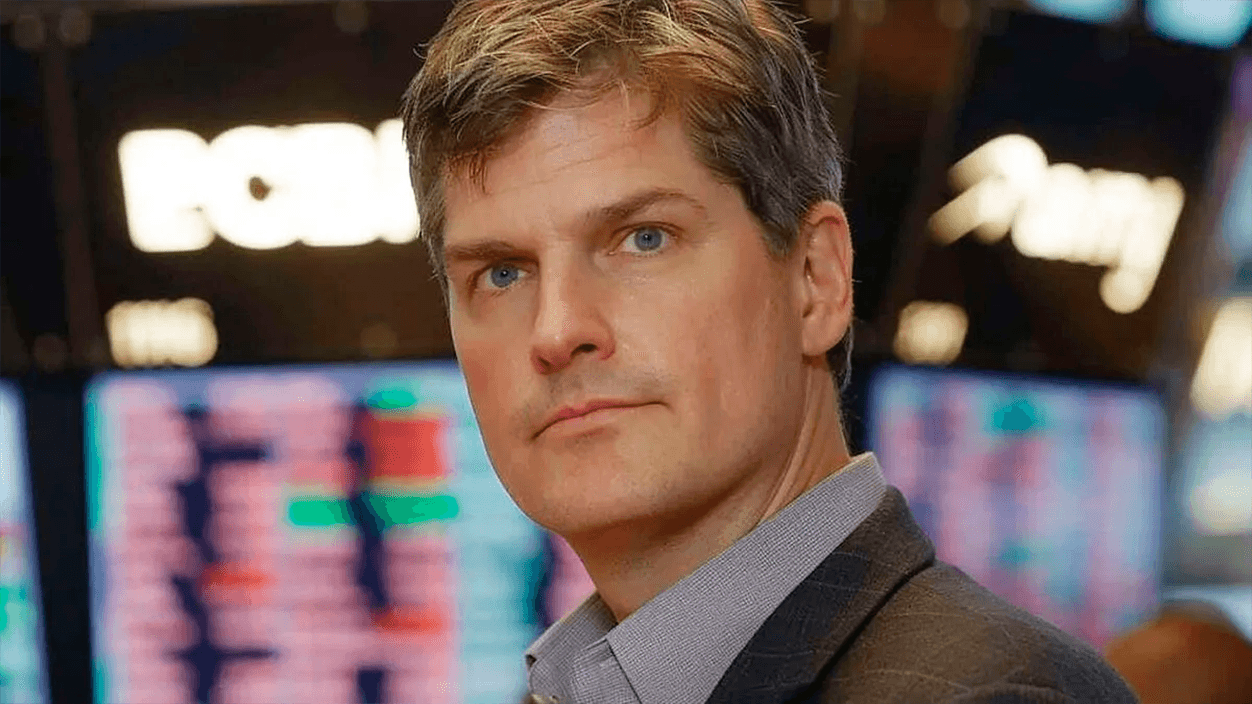
Prominent investor Michael Burry, known for his early bet against the 2008 housing market, has publicly commented on the competitive landscape of artificial intelligence. In a social media post, Burry stated that the rise of AI company Anthropic is "starting to look like a direct threat to Palantir's story."
His point, as relayed, is not necessarily about direct product competition in the near term, but about the market narrative and investment thesis. Palantir has built its public identity and valuation significantly around its artificial intelligence and machine learning platforms, particularly its Foundry and AIP (Artificial Intelligence Platform) offerings for government and commercial enterprises. Anthropic, with its Claude series of large language models and a sharp focus on AI safety and enterprise applications, is building a formidable alternative narrative as a pure-play, cutting-edge AI foundation model provider.
Context
This comment arrives during a period of intense competition and valuation scrutiny in the AI sector. Palantir (PLTR) has seen its stock price and market cap surge in recent years, heavily fueled by its successful pivot to explicitly market its platforms as AI-centric and the booming demand for its AIP bootcamps. The company has consistently framed itself as the "operating system" for the modern enterprise and government, with AI at its core.
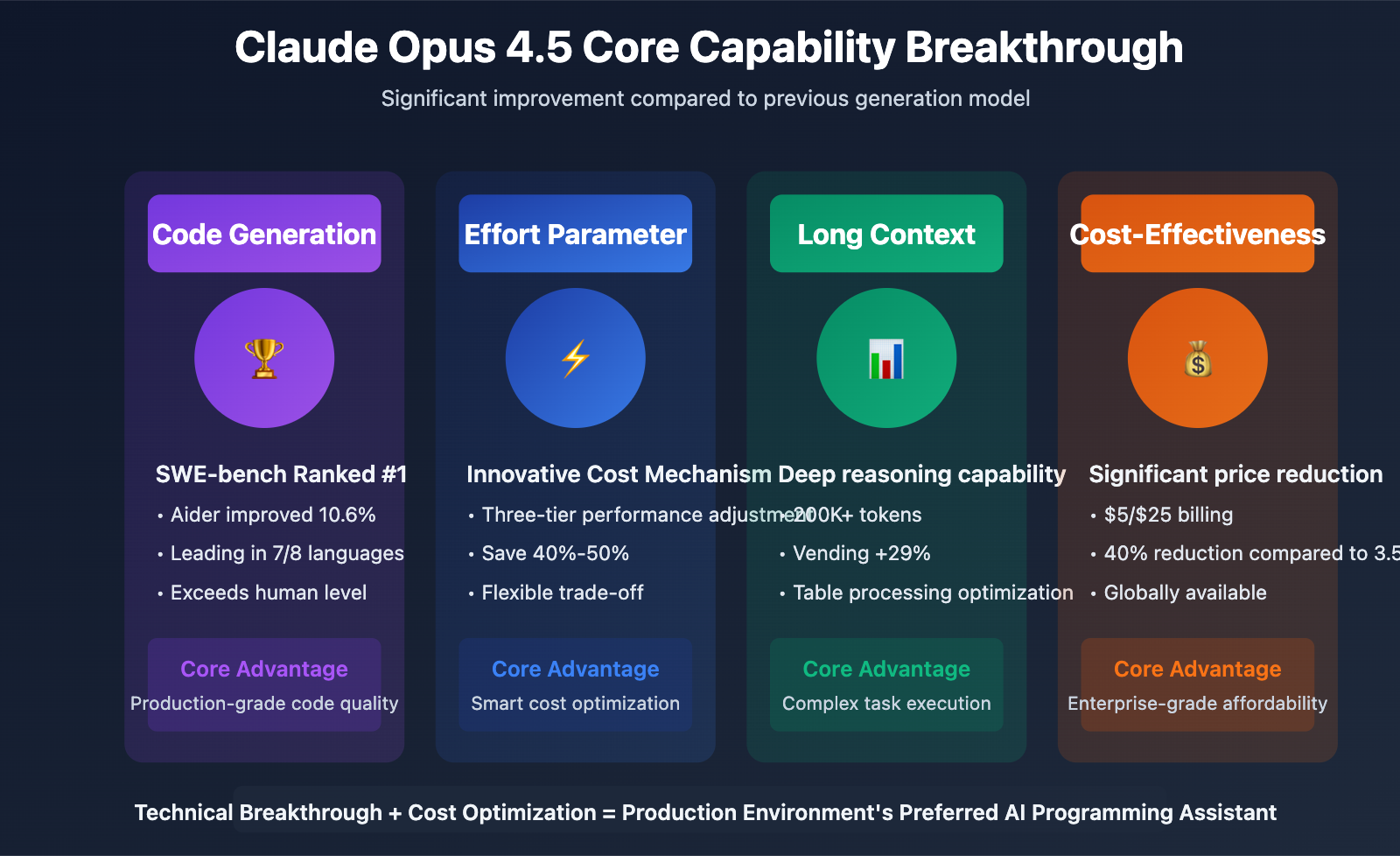
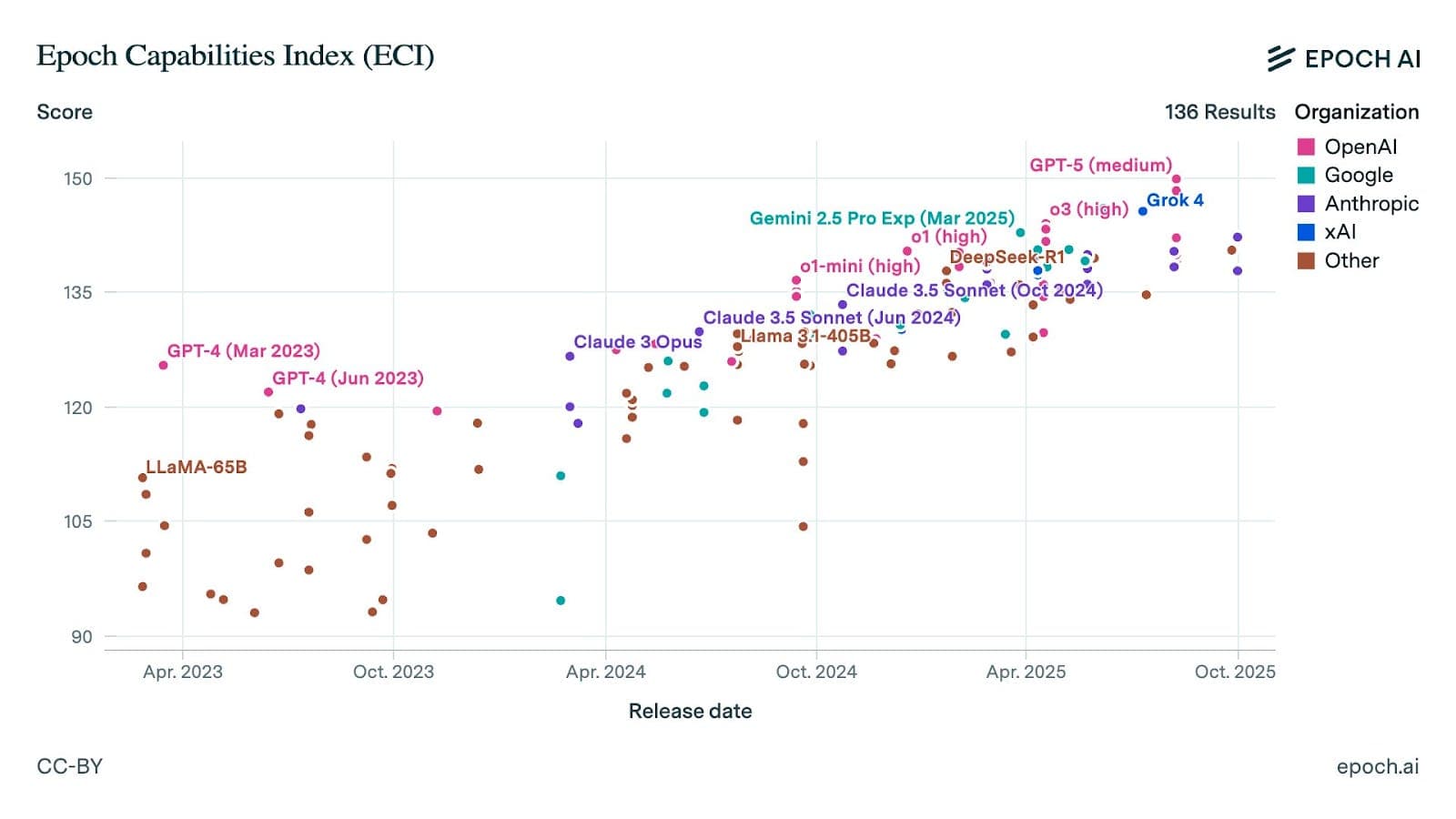
Anthropic, meanwhile, has rapidly ascended to become one of the "Big Three" in the frontier AI model race alongside OpenAI and Google DeepMind. Founded by former OpenAI safety researchers, Anthropic has secured massive funding rounds—including a reported $4 billion from Amazon and over $2 billion from Google—valuing the company in the tens of billions. Its Claude 3 model family, launched in early 2024, demonstrated competitive or superior performance to OpenAI's GPT-4 on many benchmarks, cementing its status. While Palantir integrates and deploys models (including from Anthropic and OpenAI) within its platforms, Anthropic's rise represents the growing power and mindshare of the underlying model providers themselves.
Burry's observation cuts to a key strategic question: as foundation models become more capable and easier to integrate, does the greater long-term value accrue to the model creators (like Anthropic) or the system integrators and platform providers (like Palantir)? His remark suggests investors may be starting to weigh this balance differently.
gentic.news Analysis

Michael Burry's brief comment is a significant data point in the evolving narrative war within enterprise AI. It highlights a maturation of the market where investors are moving beyond blanket "AI hype" and beginning to discriminate between different layers of the stack and their long-term defensibility.
This aligns with a trend we've been tracking: the decoupling of model infrastructure from application platforms. As we covered in our analysis of Amazon's $4B investment in Anthropic, the cloud hyperscalers are vertically integrating with top model labs to capture value. This creates a more complex ecosystem for a company like Palantir, which must now navigate partnerships with potential competitors. Anthropic, with its constitutional AI focus, is carving a distinct enterprise niche that appeals to clients with high security and safety requirements—a segment Palantir also deeply serves.
Burry's framing of Anthropic as a threat to Palantir's "story" is particularly astute. In high-growth tech, narrative drives valuation as much as near-term financials. Palantir's story has been one of unique, difficult-to-replicate software moats in defense and intelligence, now supercharged by AI. Anthropic's story is one of technical leadership in safe, scalable frontier models. If the market starts to believe the foundational model layer is the ultimate bottleneck and value driver, capital could flow away from integrators toward the labs—a trend already visible in the massive funding rounds for Anthropic, OpenAI, and others. This doesn't negate Palantir's business, but it could compress its premium valuation if its AI narrative is perceived as derivative rather than proprietary.
Frequently Asked Questions
Who is Michael Burry?
Michael Burry is an investor and hedge fund manager famous for predicting and profiting from the subprime mortgage crisis of 2007-2008, as depicted in The Big Short. He is the founder of Scion Asset Management and is known for his concentrated, contrarian bets and macroeconomic commentary.
What does Anthropic do?
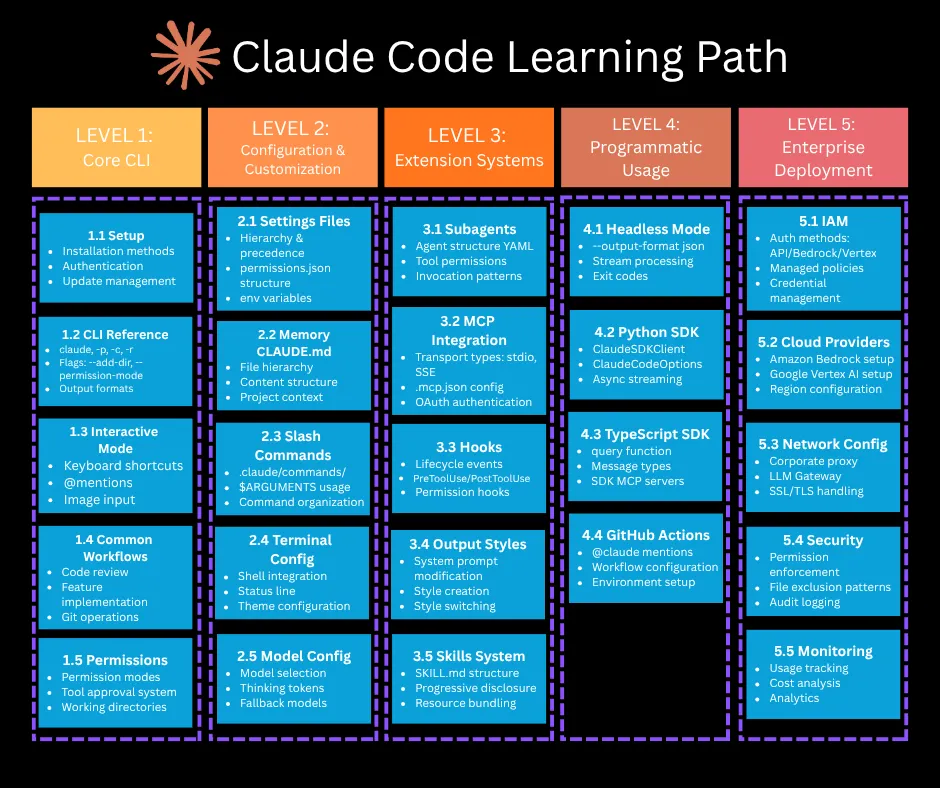
Anthropic is an AI safety and research company that develops general-purpose AI systems. Its main product is the Claude family of large language models (LLMs), known for their strong performance, large context windows, and a development philosophy centered on "constitutional AI"—a method to align AI behavior with human intent using a set of guiding principles.
How does Palantir use AI?
Palantir builds software platforms (Gotham, Foundry, AIP) that integrate, analyze, and operationalize data for large institutions, primarily governments and enterprises. AI and machine learning models are core components used for predictive analytics, pattern detection, and decision support. Palantir often integrates third-party frontier models (like Claude or GPT-4) into its platforms to enhance their capabilities.
Are Anthropic and Palantir direct competitors?
Not in a traditional product-vs-product sense. Anthropic is primarily a foundation model provider, selling API access to its Claude models. Palantir is a platform and application layer company that can use Anthropic's models as a component within its broader software suite. The competition Burry references is for investment mindshare and strategic positioning in the AI ecosystem's value chain.