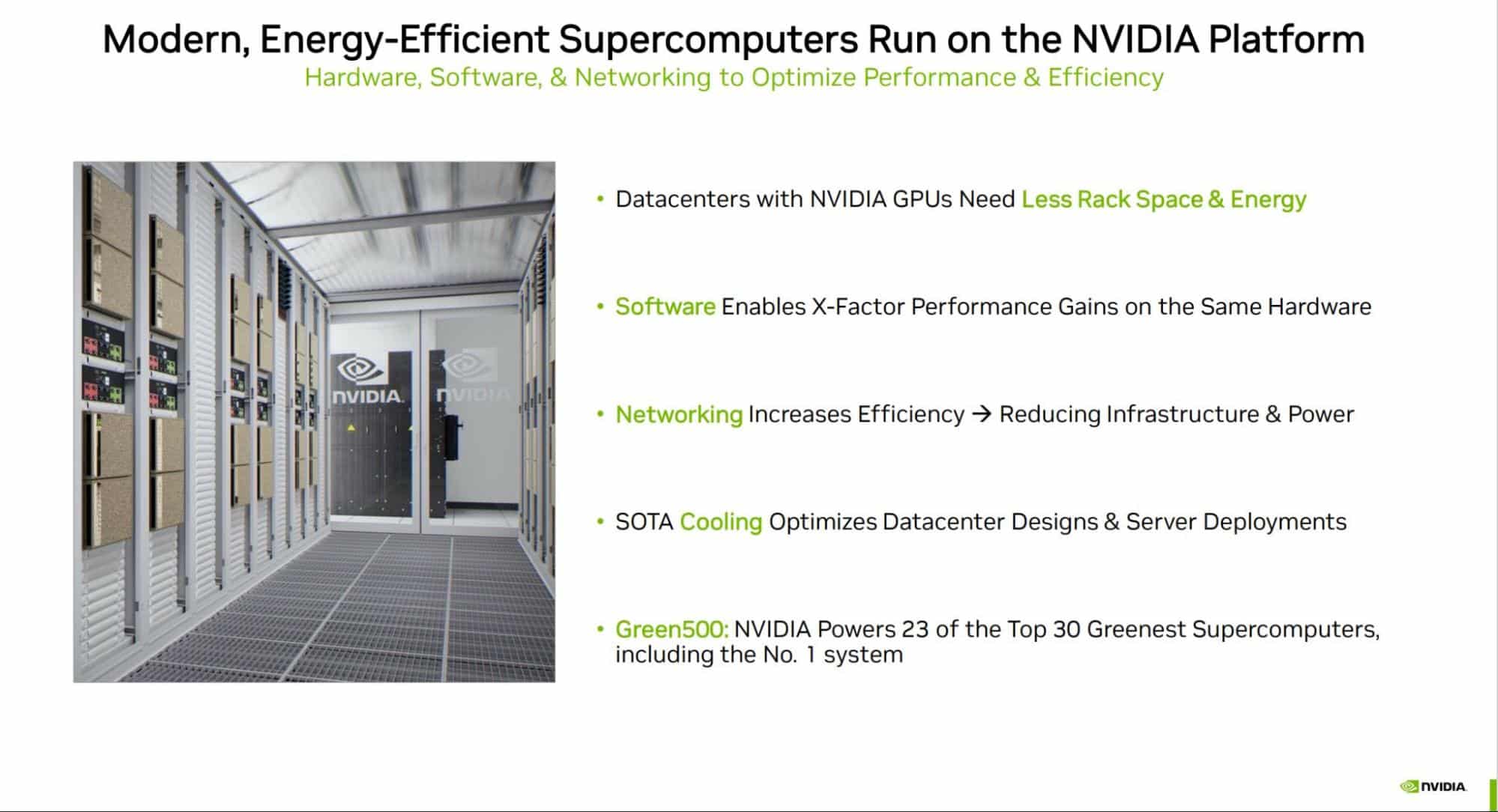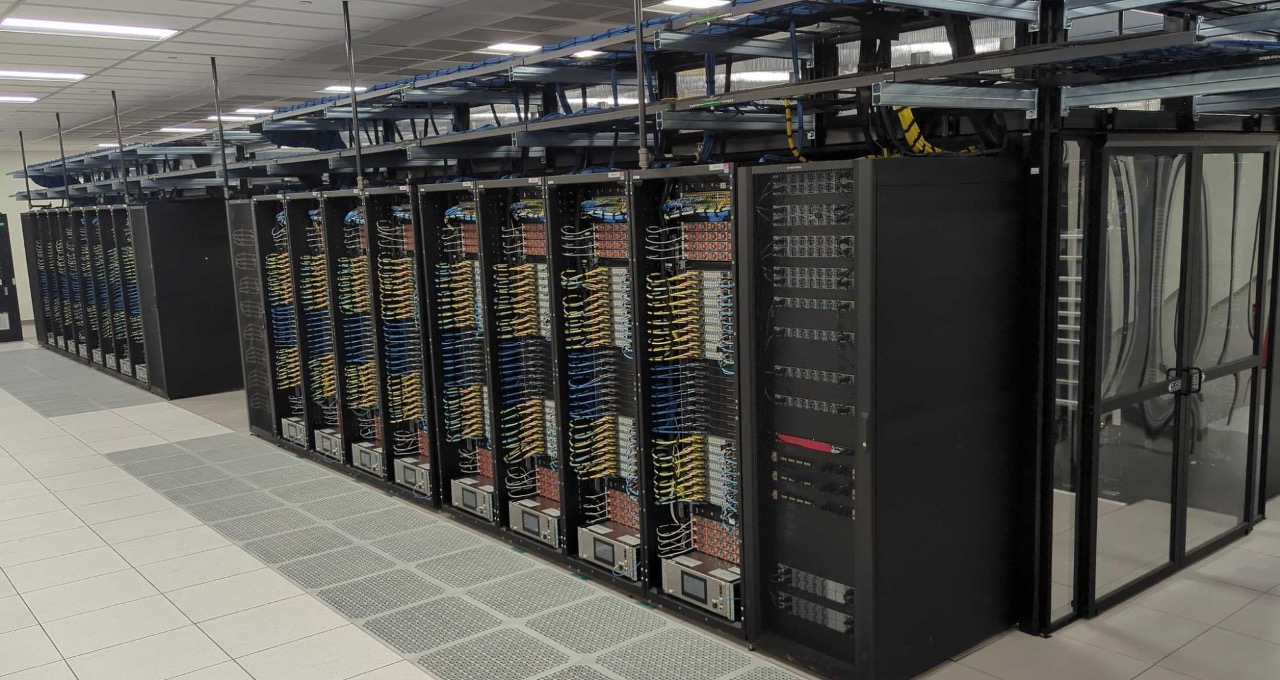
Microsoft Azure has received its first production NVIDIA Vera Rubin GPUs, as announced by @rohanpaul_ai on X. The deployment marks Azure as an early adopter of NVIDIA's next-generation AI accelerator.
Key facts
- Azure received first production NVIDIA Vera Rubin GPUs.
- Vera Rubin succeeds Blackwell as NVIDIA's next-gen AI accelerator.
- Announcement made by @rohanpaul_ai on X.
- No official specs or deployment details disclosed.
- Azure is first major cloud to deploy Vera Rubin.
Microsoft Azure has taken delivery of its first production NVIDIA Vera Rubin GPUs, according to a post by @rohanpaul_ai on X. This is the first confirmed deployment of the Vera Rubin architecture in a major cloud platform, succeeding the Blackwell generation that currently powers many AI training and inference workloads.
The Vera Rubin GPU, named after the astronomer, is NVIDIA's next flagship AI accelerator. While NVIDIA has not disclosed full specifications, it is expected to deliver significant gains in memory bandwidth and compute density over Blackwell, which already set records in MLPerf benchmarks. Azure's early adoption suggests that Microsoft is prioritizing access to cutting-edge silicon for its AI services, including OpenAI's workloads, which run on Azure.
This move comes as cloud providers race to secure supply of next-gen GPUs. AWS and Google Cloud have historically lagged in adopting new NVIDIA architectures, with AWS often using custom chips like Trainium alongside NVIDIA parts. Azure's early Vera Rubin deployment could give it a temporary performance edge for customers running large-scale training jobs.
However, the announcement is thin on details. The post does not specify the number of GPUs, the data center location, or the expected service availability. NVIDIA has not officially announced Vera Rubin's launch, though rumors have circulated in the AI hardware community. The lack of official confirmation from Microsoft or NVIDIA means the extent of this deployment remains unclear.
What This Means for AI Infrastructure
This deployment signals a strategic shift in the AI infrastructure arms race. Historically, cloud providers have been cautious about adopting new architectures, waiting for software maturity. Azure's willingness to deploy Vera Rubin in production suggests either that NVIDIA has made significant software progress, or that Microsoft is betting on early access to differentiate its AI cloud offerings.
For AI engineers, this could mean access to newer, faster hardware sooner. Vera Rubin is expected to support larger context windows and faster training times, which could be critical for frontier model development. If Azure offers these GPUs through its standard services, it could attract workloads from companies that need maximum performance.
But the lack of official details is a red flag. Without confirmed specs or benchmarks, the actual performance gains over Blackwell are speculative. NVIDIA has a history of overstating performance claims, and early production runs often have teething issues. Azure's deployment may be a pilot, not a full-scale rollout.
The Competitive Landscape
Microsoft's move puts pressure on AWS and Google Cloud. AWS has invested heavily in custom silicon, but its Trainium chips are not yet competitive with NVIDIA's top-end parts for all workloads. Google's TPU line is strong but limited to Google's own ecosystem. Azure's early Vera Rubin access could make it the default choice for AI startups and enterprises that need the fastest possible training times.
This is a pattern we've seen before: cloud providers race to secure early access to NVIDIA's latest hardware. In 2023, Microsoft was an early adopter of H100s, which helped it win the OpenAI workload. Now, with Vera Rubin, it's repeating the playbook. The question is whether the performance gains justify the early adoption risks.
As according to @rohanpaul_ai, the scenes are "quietly beautiful," but the real story is the competitive positioning. Azure is betting that being first to Vera Rubin will translate into long-term AI market share.
Key Takeaways
- Azure receives first production NVIDIA Vera Rubin GPUs, as announced on X.
- Early adoption signals Azure's lead in next-gen AI hardware, but details are scarce.
What to watch
Watch for official NVIDIA announcements on Vera Rubin specs and benchmarks, and whether Azure lists the GPUs in its public pricing catalog. If Microsoft confirms a full-scale rollout, it could trigger a competitive response from AWS and Google Cloud.