Key Takeaways

- MiMo Code beats Claude Code on 200+ step tasks.
- Use Claude Code's /loop command and structured CLAUDE.md to match multi-agent orchestration.
What Changed — MiMo Code Enters the Arena
Xiaomi just open-sourced MiMo Code, an agentic coding harness that beats Claude Code on ultra-long tasks requiring 200+ steps. The benchmark, reported by VentureBeat, shows MiMo Code achieving higher task completion rates on complex, multi-step coding challenges where Claude Code struggles with context retention and task decomposition.
This isn't just another benchmark — it's a signal. MiMo Code's architecture uses a multi-agent system that decomposes long tasks into sub-tasks, each handled by a specialized agent. This contrasts with Claude Code's single-agent approach, which can lose context or hit token limits on very long sequences.
What It Means For You — The /loop Advantage
Claude Code isn't standing still. On June 11, 2026, Anthropic launched the /loop command, enabling autonomous multi-agent workflows directly in Claude Code. This is your answer to MiMo Code's challenge.
The key insight: MiMo Code wins on task decomposition and parallel execution. Claude Code's /loop lets you replicate this pattern by spawning sub-agents for different parts of a complex task.
Where Claude Code still excels:
- SWE-bench Verified: 88.6% (Opus 4.8)
- Terminal-Bench 2.1: 78.9%
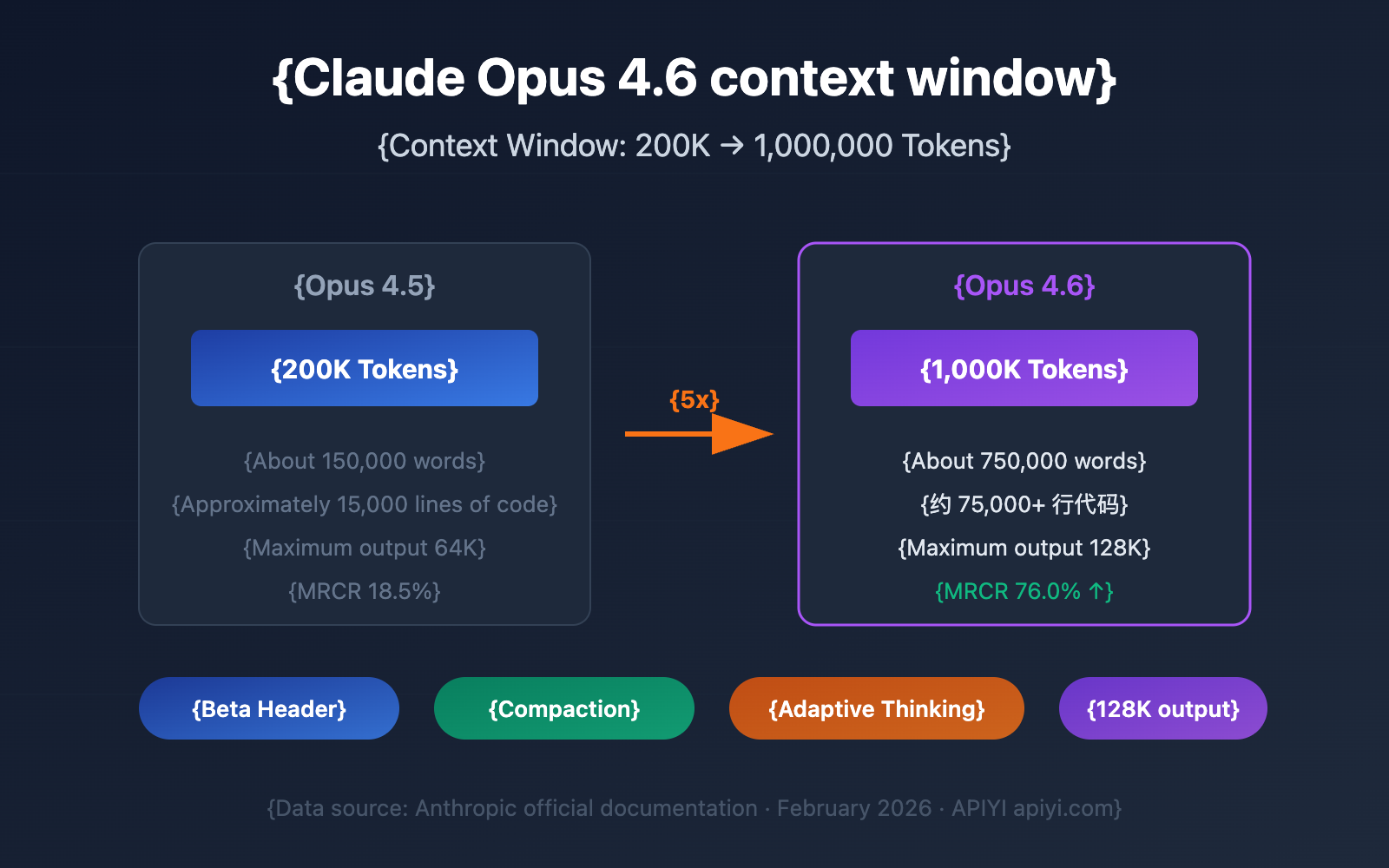
- 1M-token context window for large codebases
MiMo Code's win is specifically on 200+ step tasks — a niche where task planning and memory management matter more than raw benchmark scores.
Try It Now — Adopt Multi-Agent Patterns in Claude Code
1. Use /loop for Complex Refactors
Instead of one massive prompt:
claude code /loop "Refactor the entire auth module: extract JWT logic, add rate limiting, and write tests"
This spawns sub-agents for each phase, keeping context fresh.
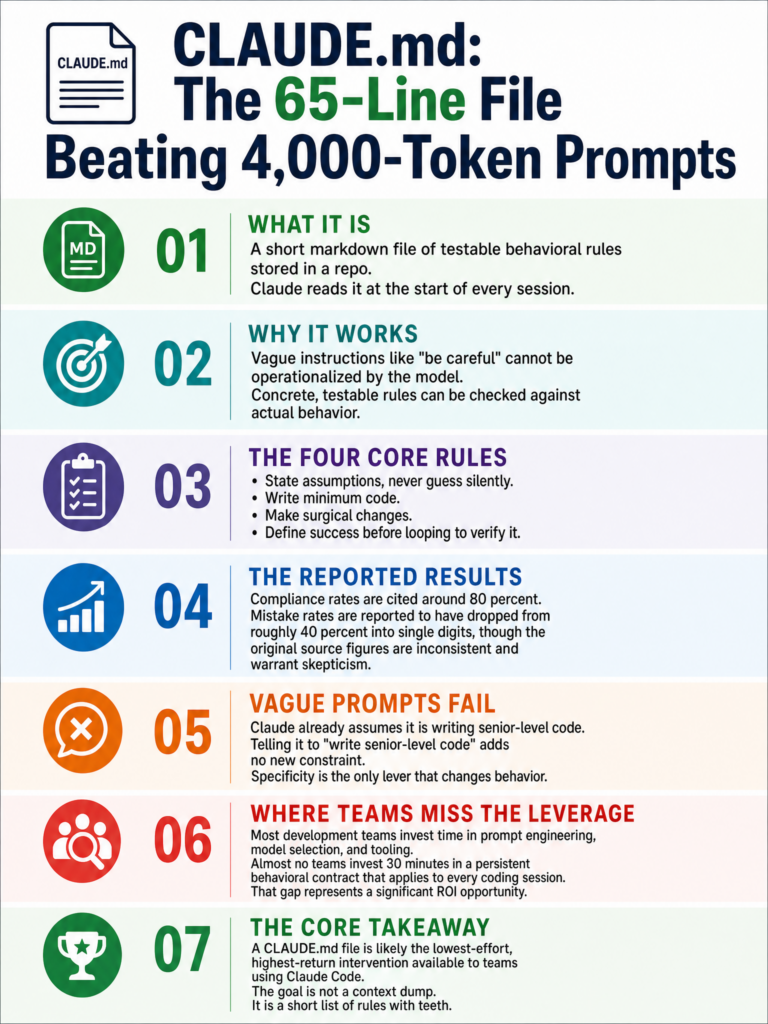
2. Structure Your CLAUDE.md for Task Decomposition
Add this to your project's CLAUDE.md:
# Task Decomposition
- Break tasks >50 steps into sub-tasks
- Use /loop for parallel execution
- Log each sub-task output to /tmp/agent-logs/
- Re-assemble results with a final review step
3. Explicitly Manage Context Windows
MiMo Code's advantage comes from not overloading a single agent. In Claude Code:
- Use
claude /compactto trim context - Explicitly ask: "Summarize what we've done so far in 3 sentences"
- Use file-based checkpoints: "Save the current plan to plan.md"
4. Benchmark Your Own Long Tasks
Don't trust benchmarks blindly. Run your own 200-step tasks:
claude code "Implement a full CI/CD pipeline: lint, test, build, deploy, rollback, and monitor"
Monitor where it stalls — those are your /loop opportunities.
The Bigger Picture — Open Source vs. Proprietary
MiMo Code is open source, meaning you can inspect its multi-agent orchestration and potentially integrate its patterns into your Claude Code workflow. The agentic coding space is converging on a truth: single-agent models hit ceilings on complex tasks. The future is multi-agent orchestration, whether through MiMo Code, Claude Code's /loop, or hybrid approaches.
What to watch:
- Will Anthropic add native task decomposition to Claude Code?
- Can MiMo Code's approach be replicated via MCP servers?
- How will Google's Gemini models (with their own agentic frameworks) compete?
Bottom Line
MiMo Code beating Claude Code on 200-step tasks is a wake-up call, not a death knell. Claude Code users who adopt /loop, structured CLAUDE.md files, and explicit context management will close the gap — and may even surpass MiMo Code on tasks that benefit from Claude's superior single-agent reasoning.
Your next move: Set up a /loop-based workflow for your next large refactor. That's where the real competition lives.
Source: news.google.com