Key Takeaways
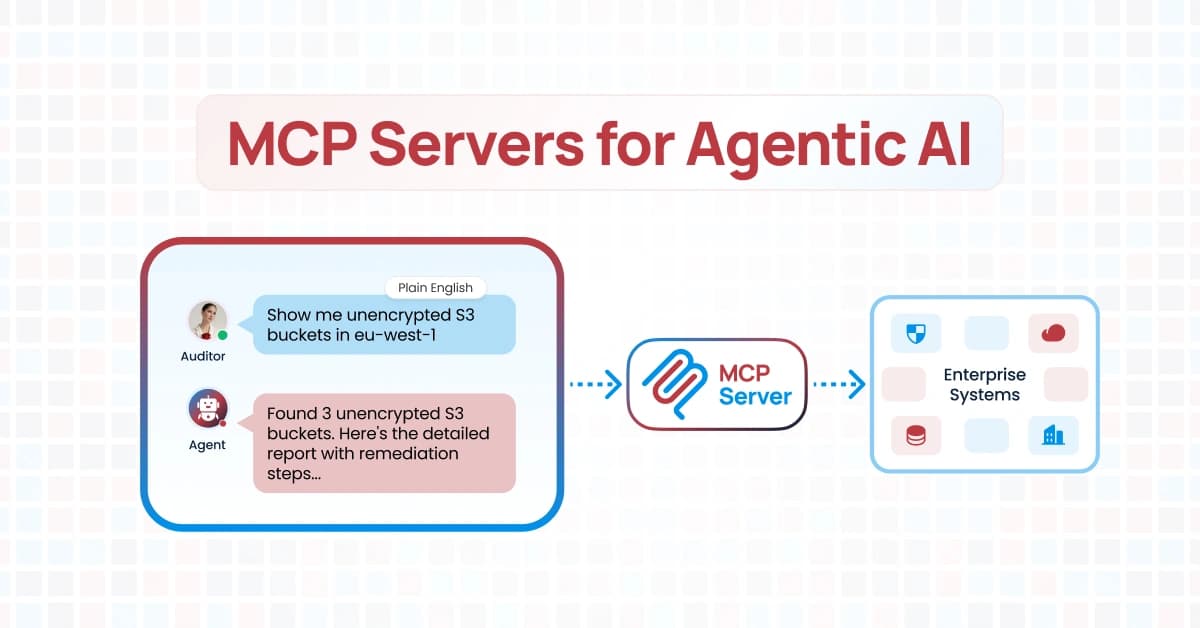
![MCP Servers [Explained] Python and Agentic AI Tool Integration | by ...](https://miro.medium.com/v2/resize:fit:1358/1*YMPr1pN5ZOqljq4ZnYQGxA.png)
- The Arm MCP Server lets Claude Code compile, flash, and debug ARM binaries.
- Install it to automate embedded firmware workflows without leaving the terminal.
What Changed — Arm launches an MCP server for hardware development
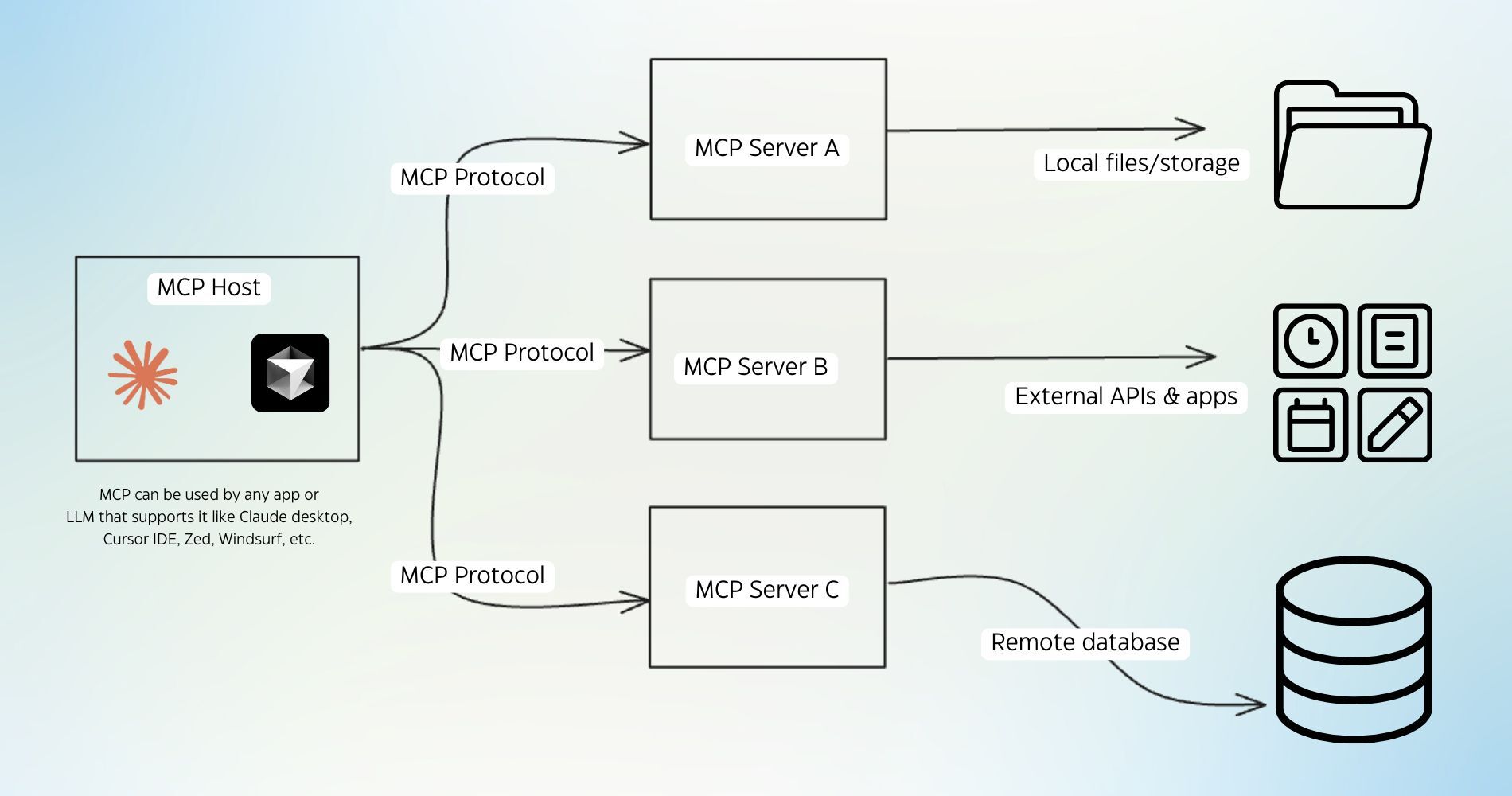
Arm has released an official MCP server that connects agentic AI tools like Claude Code directly to ARM development toolchains. This is a big deal: it means Claude Code can now compile C/C++ code for ARM targets, flash binaries to devices, and parse debug output — all through natural language commands.
The server taps into the Model Context Protocol, the open standard Anthropic introduced in November 2024 that now has 176+ implementations across the ecosystem. What's notable here is Arm's move signals that hardware development — traditionally a GUI-and-manual-testing affair — is becoming a first-class citizen in the agentic AI world.
What It Means For You — Embedded development meets Claude Code
If you write firmware, IoT software, or anything targeting ARM processors (which is most embedded work), this changes your daily workflow. Instead of:
- Writing code in Claude Code
- Copying to an IDE
- Compiling with a separate toolchain
- Flashing with yet another tool
- Debugging with a third tool
...you can now chain all of that into a single Claude Code session. Ask Claude to "compile this UART driver for Cortex-M4, flash it to the dev board, and check the serial output" — and it happens.
The server handles:
- Cross-compilation for ARM targets
- Binary flashing via OpenOCD or J-Link
- Debug output parsing
- Register-level inspection
Try It Now — Setting up the Arm MCP Server
# Add the Arm MCP server to Claude Code
claude mcp add arm-server --type stdio --command "npx @arm/mcp-server"

# Or if you prefer specifying a config
claude mcp add arm-server --config ./arm-mcp-config.json
Your arm-mcp-config.json might look like:
{
  "toolchain": "/usr/bin/arm-none-eabi-",
  "target": "cortex-m4",
  "flash_tool": "openocd",
  "openocd_config": "/usr/share/openocd/scripts/board/stm32f4discovery.cfg"
}
Once configured, try a prompt like:
"Compile main.c for STM32F4 with -O2, flash it, and show me any hard fault handlers triggered."
Claude Code will use the MCP server to run the toolchain, parse the output, and report results back to you. No context switching.
Why This Matters for Agentic Workflows
This is part of a broader trend we've been tracking: the Model Context Protocol is moving beyond "read a file" and "search the web" into domain-specific, high-stakes operations. Google added MCP support to Gemini API Managed Agents in July 2026. GitHub uses MCP. Now Arm is bringing hardware into the loop.
The key insight: agentic AI systems are only as useful as the tools they can wield. An MCP server for ARM toolchains turns Claude Code from a code generator into a full-stack embedded developer assistant. It can build, test, and iterate on firmware without you touching a Makefile.
When To Use It — Specific use cases
- Firmware CI/CD: Automate nightly builds and smoke tests for ARM targets
- Rapid prototyping: Iterate on embedded algorithms without leaving your editor
- Debugging sessions: Let Claude parse crash dumps and suggest fixes, then recompile and retest
- Education: New to embedded? Ask Claude to explain each step as it compiles and flashes
Caveats
This is early-stage. The server requires the ARM toolchain installed locally. It won't replace your logic analyzer or oscilloscope. But for the 80% of embedded work that's "edit, compile, flash, test," it's a massive time saver.
Source: news.google.com
[Updated 23 Jul via devto_mcp]
The broader MCP ecosystem has exploded to 97 million monthly SDK downloads, with over 19,800 servers indexed across registries and 80% of the Fortune 500 testing MCP-compatible tooling internally [per Remote OpenClaw]. The Linux Foundation's Agentic AI Foundation now governs MCP, signaling enterprise-grade adoption—a key factor that may accelerate trust in Arm's MCP server for production embedded workflows.