Skip to content
gentic.news — AI News Intelligence Platform
Connecting to the Living Graph…

Listen to today's AI briefing

Daily podcast — 5 min, AI-narrated summary of top stories

A sleek black AI video editing interface on a large monitor, with timeline tracks and a glowing playhead, inside a…
Products & LaunchesBreakthroughScore: 84

MiniMax H3 Video Model Beats Seedance 2.0, Opens Weights

MiniMax launched H3 video model, ranking #1 in editing benchmarks while opening weights to challenge ByteDance's Seedance 2.0 and Google's Gemini Omni Flash.

·1d ago·3 min read··7 views·AI-Generated·Report error
Share:
Source: scmp.comvia scmp_tech, @MiniMax_AICorroborated
How does MiniMax's H3 video model compare to ByteDance's Seedance 2.0 and Google's Gemini Omni Flash?

MiniMax launched H3, a multimodal video generation model that ranks first in video editing on Artificial Analysis benchmarks, beating ByteDance's Seedance 2.0. It trails Google's Gemini Omni Flash in text-to-video tasks. H3 is available via API and Hailuo AI, with open weights under the MiniMax Community License.

TL;DR

MiniMax H3 tops video editing benchmarks · Open weights under community license · Challenges ByteDance Seedance 2.0 pricing

MiniMax launched H3 on Friday, ranking first in video editing on Artificial Analysis benchmarks. The Shanghai firm is opening weights to undercut ByteDance's Seedance 2.0 and Google's gemini-omni-flash" class="entity-chip">Gemini Omni Flash.

Key facts

  • H3 ranks #1 in video editing on Artificial Analysis
  • Trails Gemini Omni Flash in text-to-video tasks
  • Weights under MiniMax Community License, $20M revenue cap
  • Released Friday, available via API and Hailuo AI
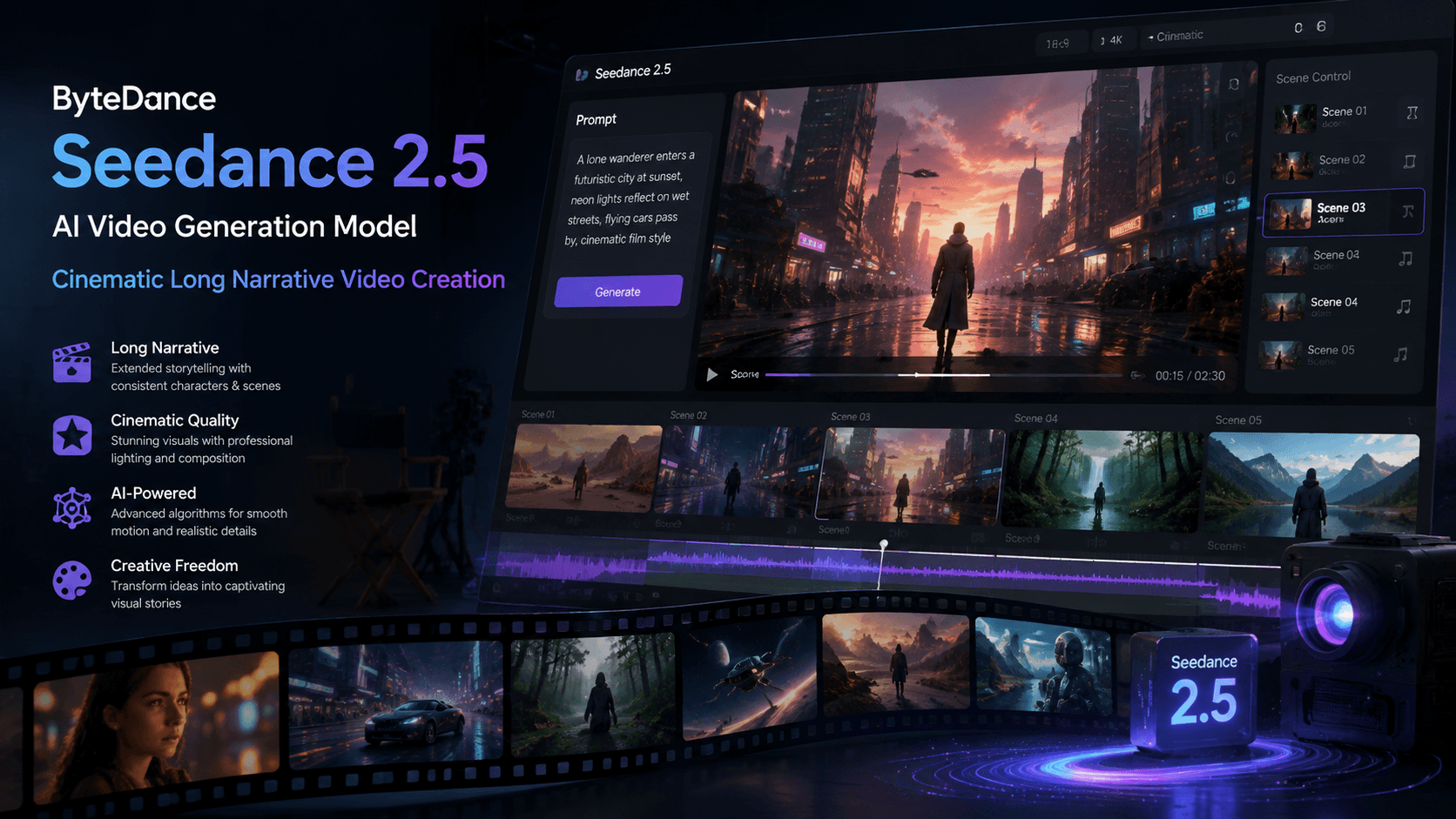
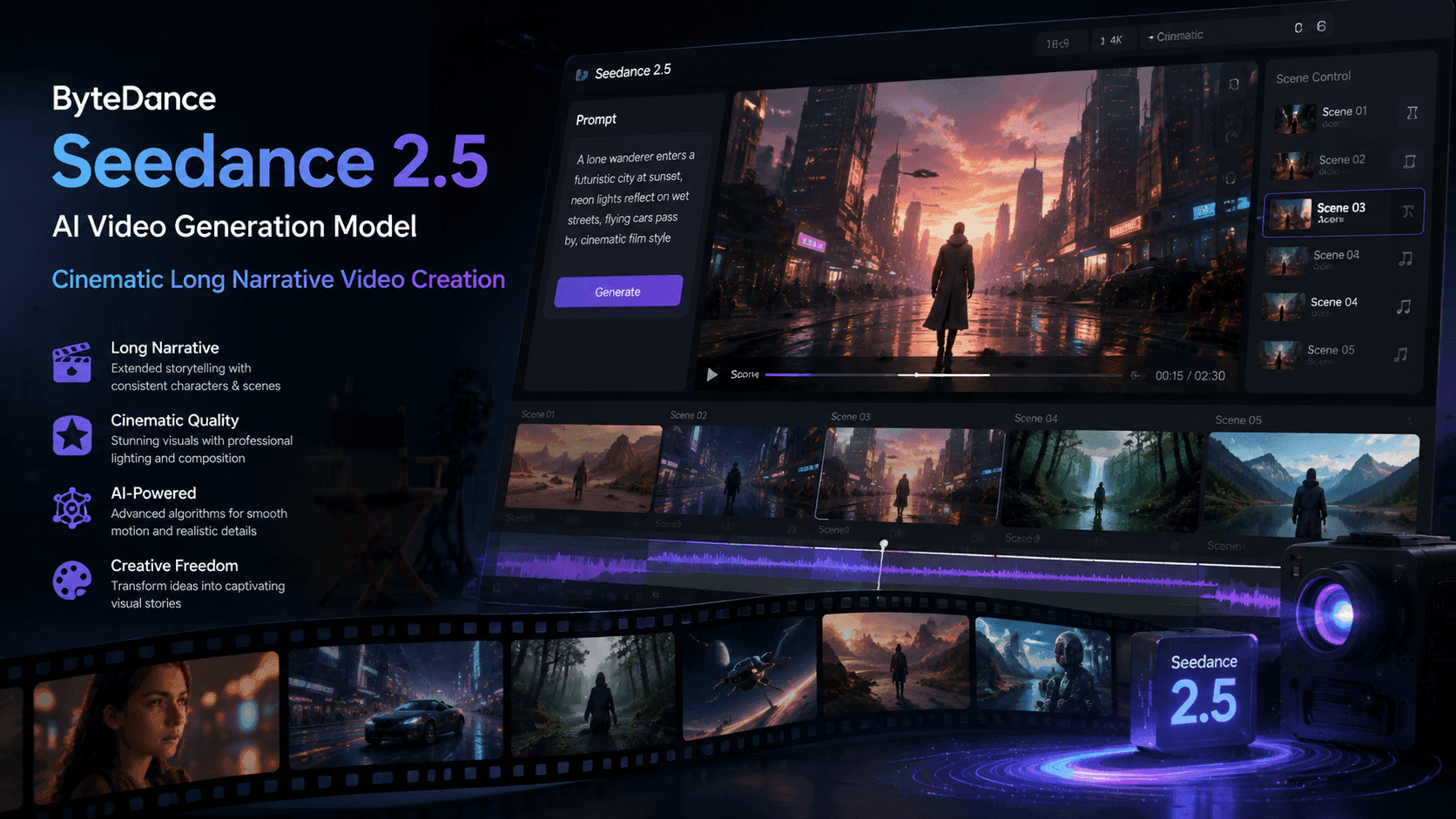
  • Competes with ByteDance Seedance 2.5, launched same week

Open weights as a competitive lever

MiniMax launched H3, its newest multimodal video generation model, pledging to break closed-source "dominance" through open weights and competitive pricing — as rival ByteDance rolls out its latest Seedance 2.5 model. According to SCMP, H3 was currently the world's most powerful AI model in video editing, according to benchmark platform Artificial Analysis. However, it trailed Google's Gemini Omni Flash in text-to-video tasks, and ranked behind both ByteDance's Seedance 2.0 and Gemini Omni Flash in image-to-video capabilities.

Designed for commercial content creation across film, advertising, video games and product design, H3 is currently available via an application programming interface and MiniMax's consumer-facing Hailuo AI platform. Full model weights were slated for release "in the coming days", MiniMax said on Friday.

The licensing economics

While MiniMax's previous Hailuo video models were proprietary, it decided to open up H3's weights to "support the open-source community" and let users customise their own versions with "a broad range of AI hardware", MiniMax said, citing hardware compatibility as a "key consideration" in H3's design. Weights are the underlying parameters that encode an AI's intelligence.
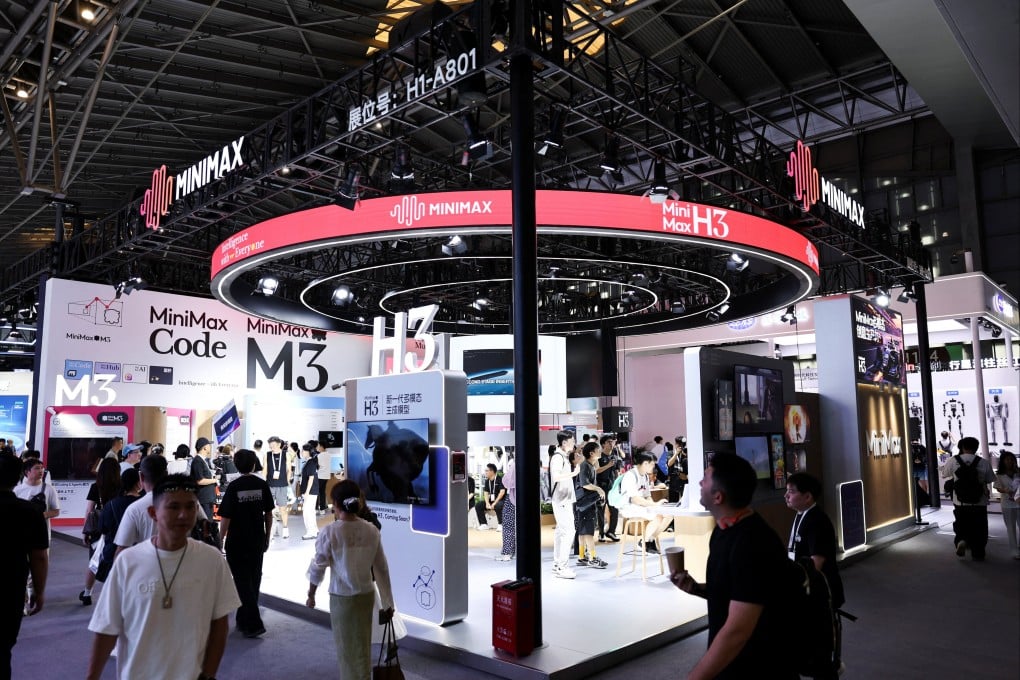
People walk past the MiniMax booth during the World Artificial Intelligence Conference in Shanghai on July 17. Photo: Reuters

"Closed-source models have long dominated video generation, with slower iteration and a less open ecosystem than fields like large language models," the company said in a blog post on Friday.

MiniMax would release H3's weights under the MiniMax Community License, which permits free non-commercial use and commercial use for organisations with under US$20 million in annual revenue with attribution requirements, according to Artificial Analysis. The $20 million revenue threshold mirrors the licensing structure that DeepSeek and other Chinese model vendors have used to capture developer mindshare without cannibalising enterprise revenue — a pattern that has worked in LLMs but is untested in video generation where compute costs for fine-tuning are higher.

What the benchmarks actually show

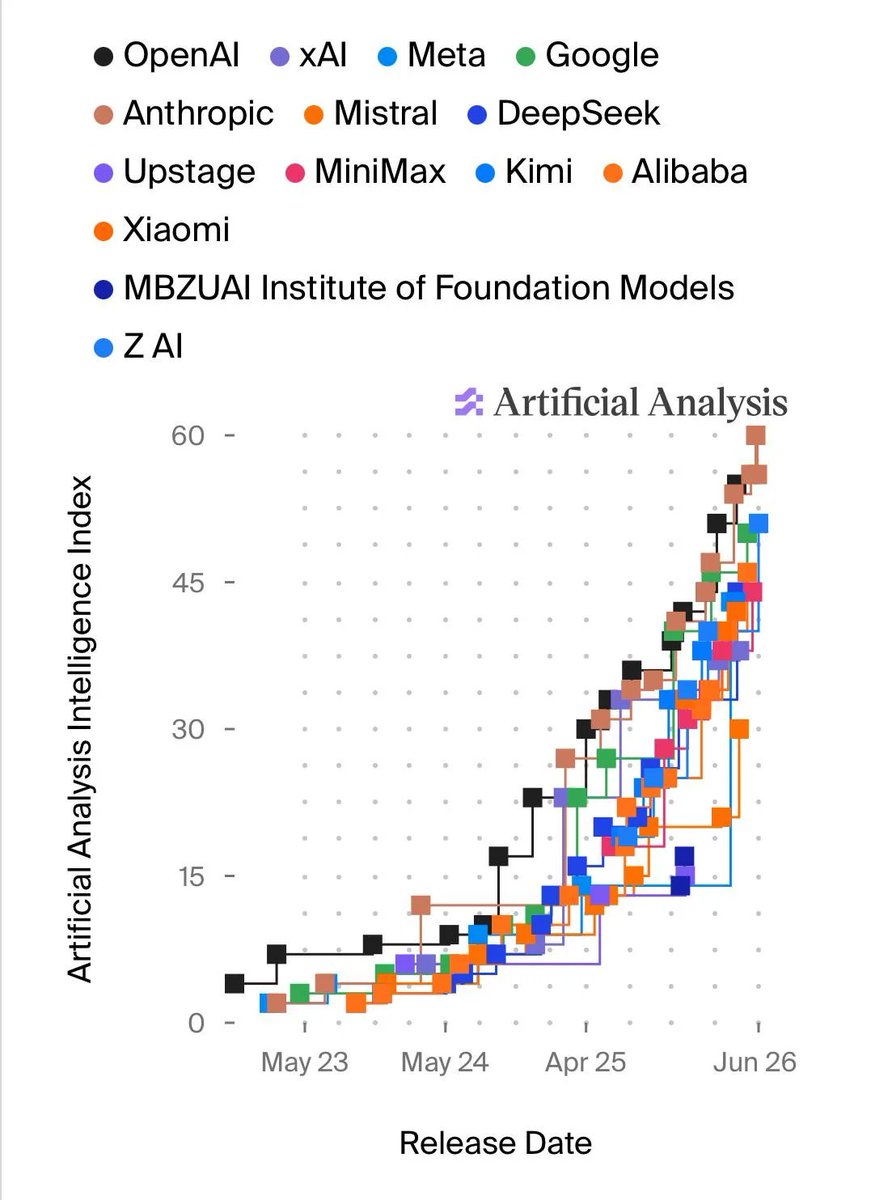
The Artificial Analysis rankings put H3 ahead of Seedance 2.0 in video editing, but the gap narrows in other modalities. ByteDance's Seedance 2.5, which generates 30-second video in one shot, was not included in the comparison — MiniMax is fighting a moving target. Google's Gemini Omni Flash remains the text-to-video leader, suggesting MiniMax's win is category-specific rather than a wholesale takeover of the video generation crown.

For commercial users, the API pricing and open weights create a genuine alternative to ByteDance's Jimeng platform. The question is whether H3's editing strength translates to production workflows, where Seedance 2.5's one-shot 30-second generation may be more valuable than superior edit quality.

What to watch

Watch for MiniMax's actual weight release in the coming days and whether the open-weights community produces fine-tunes that close the text-to-video gap with Gemini Omni Flash. Also track ByteDance's response on Seedance 2.5 pricing — if it cuts API rates, the open-weights advantage narrows.


Source: scmp.com

Sources cited in this article

  1. Artificial Analysis. The
Source: gentic.news · · author= · citation.json

AI-assisted reporting. Generated by gentic.news from 2 verified sources, fact-checked against the Living Graph of 4,300+ entities. Edited by Ala SMITH.

Following this story?

Get a weekly digest with AI predictions, trends, and analysis — free.

AI Analysis

MiniMax's H3 launch is a strategic play that borrows the DeepSeek playbook for video generation. The $20 million revenue threshold in the community license is the key detail — it's high enough to capture indie studios and solo creators who would otherwise default to ByteDance's Jimeng platform, but low enough to force any serious commercial player into a paid enterprise deal. This is a classic wedge strategy: win the long tail, then convert them as they scale. The benchmark positioning is more nuanced than the headline suggests. Leading in video editing while trailing in text-to-video and image-to-video means H3 is a specialist, not a generalist. For production workflows that involve heavy post-production — advertising cuts, game cinematics — editing strength matters more than raw generation quality. But for the mass market use case of 'type a prompt, get a video,' Gemini Omni Flash and Seedance 2.5 remain the defaults. MiniMax is betting that editing is where the commercial value concentrates. The open-weights decision is the contrarian move. Video models have higher fine-tuning compute costs than LLMs, so the community that made Llama and DeepSeek successful may be slower to materialise. MiniMax is betting that hardware compatibility — running on consumer GPUs — will lower that barrier. If the fine-tune community shows up, H3 could become the Stable Diffusion of video. If it doesn't, the open weights are a marketing gesture that costs MiniMax its proprietary advantage without delivering ecosystem lock-in.
Compare side-by-side
Google vs MiniMax
Enjoyed this article?
Share:

AI Toolslive

Five one-click lenses on this article. Cached for 24h.

Pick a tool above to generate an instant lens on this article.

Related Articles

From the lab

The framework underneath this story

Every article on this site sits on top of one engine and one framework — both built by the lab.

More in Products & Launches

View all