Former Google Chief Business Officer Mo Gawdat has issued a stark prediction: artificial intelligence will take over "many jobs" in less than five years. The statement, made in a recent interview clip shared on social media, highlights the accelerating timeline for AI's impact on the workforce, a topic of intense debate among technologists and economists.
Gawdat, a prominent voice on AI ethics and the author of Scary Smart, did not specify which job categories are most at risk but framed the displacement as an inevitability driven by rapid technological advancement. His central argument hinges on a distinction between task automation and human essence: while AI can and will automate a vast array of professional functions, it "will never [take] the human connection aspect."
This caveat points to roles and responsibilities deeply reliant on empathy, trust, nuanced understanding, and interpersonal relationships—domains where AI, particularly current narrow or even advanced general intelligence, is seen to fall short. However, Gawdat immediately followed this point with a warning: "the danger is real." This suggests the societal and economic disruption caused by widespread job loss may occur long before any potential positive restructuring or the creation of new, more human-centric roles can take hold.
Key Takeaways
- Mo Gawdat, former Chief Business Officer at Google, stated AI will take many jobs in under five years but will never replicate the human connection aspect.
- He emphasized the real danger of this economic displacement.
Context: The Accelerating Automation Debate
Gawdat's five-year forecast adds a new, urgent timeframe to a long-running discussion. For years, analyses from firms like McKinsey and the OECD have projected significant workforce transformation over 10-20 year horizons. Gawdat's prediction compresses that timeline dramatically, aligning more closely with recent assessments following the release of highly capable large language models and AI agents.
His perspective carries weight given his background. As the former CBO of Google [X], he was deeply embedded in one of the world's leading AI research and development ecosystems. Since leaving Google, he has become a vocal advocate for the ethical and safe development of AI, often focusing on its potential for unintended harm if deployed without sufficient guardrails.
The Human Connection as a Firewall
The core of Gawdat's argument—that AI cannot replicate human connection—serves as both a prediction and a potential guidepost. It implies that careers in counseling, complex negotiation, creative collaboration, hands-on caregiving, and strategic leadership may prove more resilient. However, it also raises a critical question: how many of today's "jobs" are primarily collections of tasks that lack this essential human component and are therefore vulnerable to automation?
gentic.news Analysis
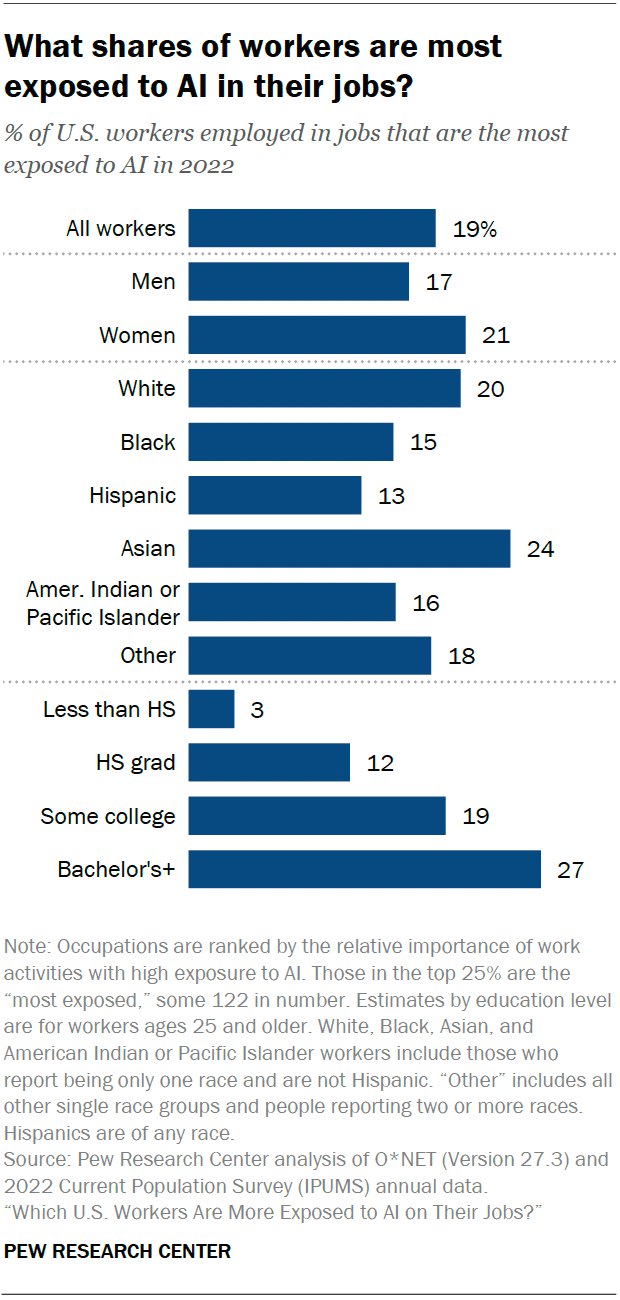
Gawdat's warning is a significant data point in an increasingly loud chorus from industry insiders. It directly contradicts more optimistic timelines from some corporate leaders and adds concrete urgency to academic studies on workforce disruption. This aligns with our previous reporting on the economic impact of AI coding assistants, which are already changing software engineering roles, and the rapid automation of customer service functions.
Critically, Gawdat is not an AI researcher but a business operator. His forecast is likely based on observing adoption curves, corporate cost-cutting incentives, and the demonstrable capabilities of current AI systems, rather than speculative future breakthroughs. This grounds his prediction in near-term business logic, not distant science fiction. The key tension he identifies—between rapid task automation and the irreplaceable value of human connection—will be the defining economic challenge of the late 2020s. Policymakers, educators, and business leaders are now operating on a shortened clock to develop strategies for mitigation, retraining, and potentially new economic models like universal basic income, which Gawdat has discussed in the past.
Frequently Asked Questions
Who is Mo Gawdat?
Mo Gawdat is the former Chief Business Officer of Google [X], the company's moonshot factory. He is a serial entrepreneur, author of the book Scary Smart: The Future of Artificial Intelligence and How You Can Save Our World, and a prominent public speaker on the topics of happiness, AI ethics, and the future impact of technology.
What jobs are most at risk from AI according to this view?
While Gawdat did not list specific jobs, his framework suggests that roles primarily consisting of repetitive cognitive tasks, data processing, pattern recognition within set rules, and basic content generation are most vulnerable in the under-five-year horizon. This could include segments of administrative support, data entry, paralegal work, basic accounting, copywriting, and even some aspects of software development and radiology.
What does "human connection aspect" mean in this context?
It refers to the deeply interpersonal, emotional, and intuitive elements of work. This includes building trust, providing empathetic counsel (as in therapy or nursing), navigating complex moral or ethical dilemmas, inspiring teams through shared purpose, engaging in creative brainstorming that requires a "spark," and performing physical care that requires a gentle human touch and situational awareness beyond a robot's current capabilities.
Is there a way to prepare for this shift?
Experts suggest focusing on skill development in areas AI struggles with: complex problem-solving, critical thinking, creativity, emotional intelligence, and interpersonal skills. Cultivating adaptability and a mindset of continuous learning is also considered crucial, as the nature of "safe" jobs may continue to evolve rapidly.