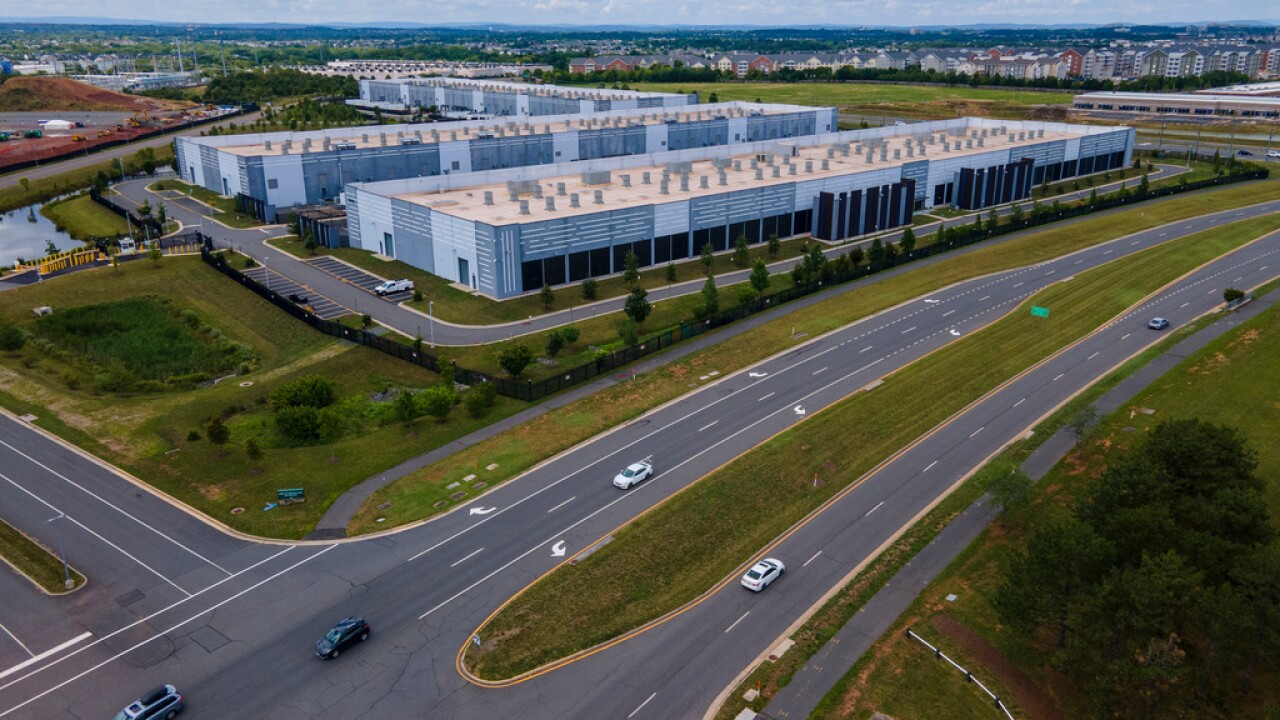
A majority of New Jersey voters support banning AI data centers in their communities, according to a new poll from the Eagleton Center for Public Interest Polling at Rutgers University.
Key facts
- 54% of New Jersey voters support banning AI data centers.
- 49% of Americans oppose a local AI data center (Ipsos 2025).
- Only 27% of Americans would support a local AI data center.
- Poll conducted January 2026 with 1,002 registered NJ voters.
- Hyperscaler spending on AI infra exceeds $200B in 2026.
The New Jersey poll found 54% of respondents favor a ban on new AI data center construction within the state. Only 28% opposed a ban, with 18% undecided, per the survey of 1,002 registered voters conducted in January 2026 [According to the Eagleton Center poll].
Nationally, the sentiment is similar but less pronounced. An Ipsos survey conducted in late 2025 found that 49% of Americans said they would oppose an AI data center being built near their community [According to Ipsos]. Just 27% said they would support it.
Key Takeaways
- 54% of New Jersey voters support banning AI data centers, per a Jan 2026 poll.
- Nationally, 49% oppose local construction, threatening hyperscaler buildout plans.
The NIMBY Threat to Hyperscaler Buildout
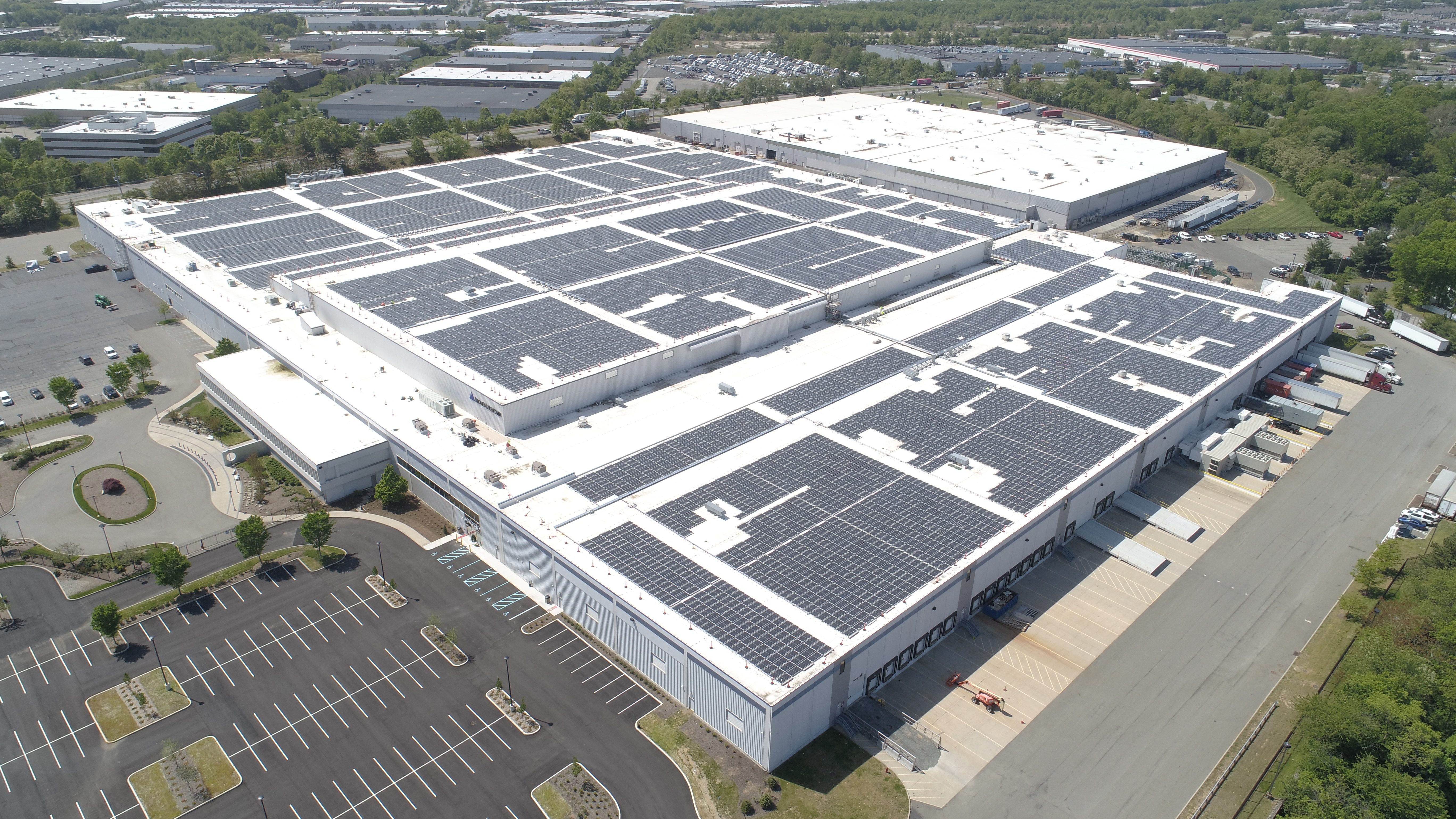
This polling data arrives as Google, Microsoft, Amazon, and Meta collectively plan to spend over $200 billion on AI infrastructure in 2026 alone. The resistance is concentrated in suburban and rural areas where land is cheapest and power is available — exactly where hyperscalers have been racing to build.
New Jersey is not a primary data center market — Northern Virginia and Texas dominate — but the poll signals a political shift. If 54% of voters in a blue state support bans, similar legislation in Virginia, Georgia, or Arizona could follow. The Box Elder County vote in Utah on a hyperscale data center was delayed in April 2026 after local opposition [As previously reported].
The Unique Take: Hyperscalers Underestimated Local Politics

The structural observation here is that the AI industry's buildout strategy assumed local communities would welcome tax revenue and jobs. The data suggests otherwise. When 49% of Americans oppose a data center in their backyard — and a majority in one state support an outright ban — the hyperscalers face a permitting bottleneck that could delay capacity expansion by 12-18 months. This is not a fringe NIMBY movement; it is mainstream voter sentiment.
Google alone committed $5 billion to a Texas data center for Anthropic in May 2026 [As previously reported]. Those commitments assume local approval. The polling suggests that approval is not guaranteed.
The New Jersey poll did not ask about specific trade-offs like tax revenue or job creation. Future research will need to test whether economic benefits shift voter sentiment.
What to watch
Watch for data center permit approval rates in Q2 2026 across Virginia, Georgia, and Arizona. If rejection rates exceed 15%, hyperscaler capacity guidance for 2027 will likely be revised downward. Also watch for New Jersey state legislature action on a formal ban bill.
[Updated 07 May via tomshardware]
The NIMBY push is now spreading to Michigan, where towns are racing to block new AI data centers after a $16 billion Stargate project was built despite being voted down locally. The massive facility will consume 1.4 gigawatts of energy to power ChatGPT [per Tom's Hardware]. Backlash has spurred county resolutions, bipartisan state legislation, and a regional water authority refusing to serve proposed facilities. This mirrors the New Jersey poll results, showing local opposition is hardening into concrete legal and regulatory barriers across multiple states.