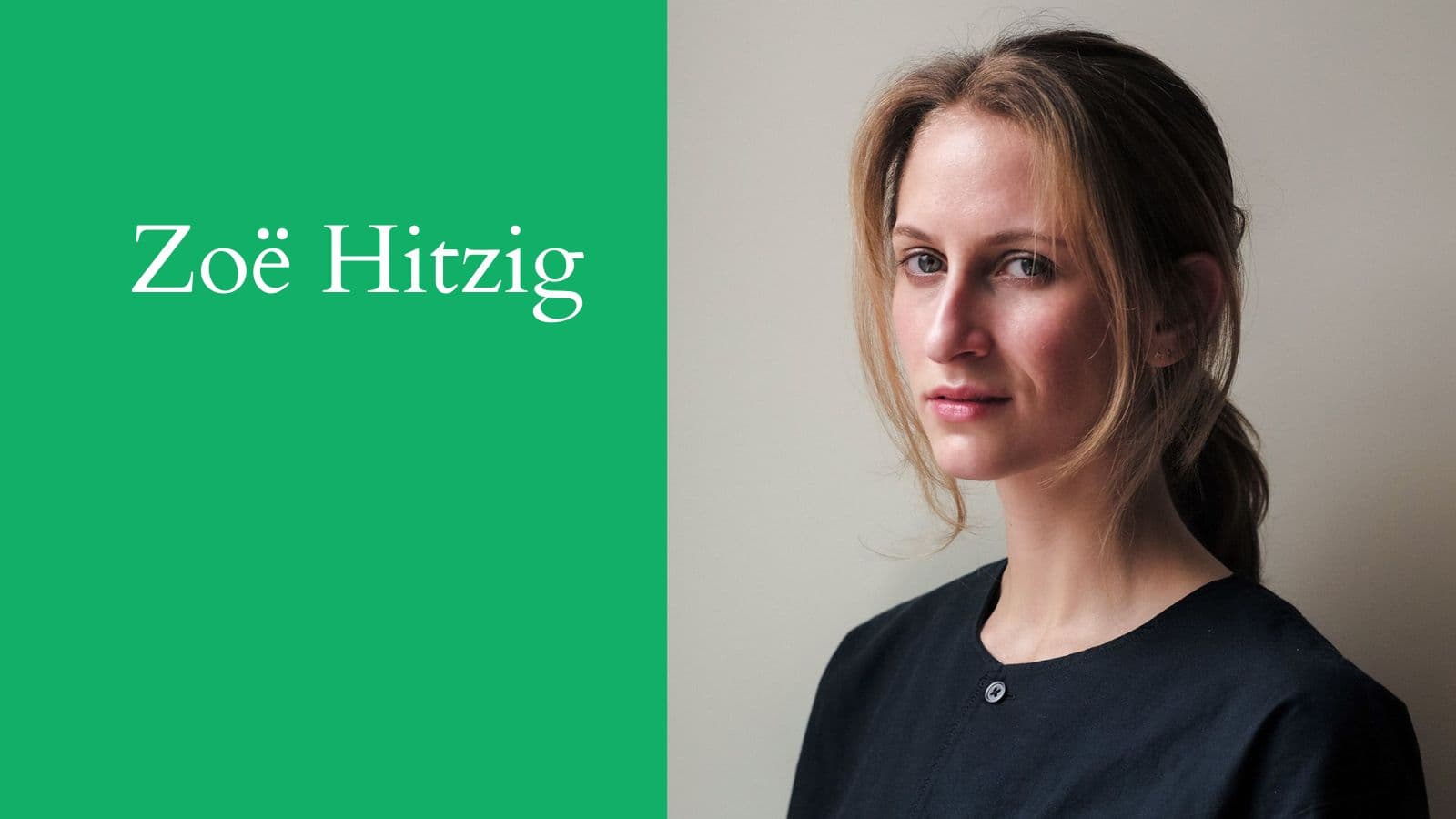
In a move that has sent ripples through the artificial intelligence community, OpenAI researcher Zoë Hitzig resigned on February 26, 2026—the same day the company began testing advertisements within its ChatGPT interface. Hitzig's departure represents more than just another personnel change at the influential AI lab; it signals growing internal tensions about how rapidly advancing AI systems should be monetized and what ethical boundaries should govern their deployment.
According to sources familiar with the matter, Hitzig submitted her resignation letter directly to OpenAI leadership, expressing concerns that introducing advertising into conversational AI systems could fundamentally alter their relationship with users. "We're watching ChatGPT potentially become what Facebook became—a platform optimized for engagement and revenue rather than genuine assistance," Hitzig reportedly wrote in her departure communication.
The Ad Experiment That Sparked Controversy
OpenAI's advertising test, which began quietly on February 26, represents the company's first significant foray into integrating commercial messages directly within conversational AI interactions. While details remain limited, early reports suggest the ads appear as sponsored suggestions or recommendations within certain ChatGPT responses, particularly when users ask for product recommendations or service information.
Company representatives have framed the initiative as a necessary step toward sustainable development of increasingly expensive AI systems. "Developing and maintaining advanced AI requires significant resources," an OpenAI spokesperson stated. "We're exploring various monetization approaches that can support continued innovation while maintaining user trust."
However, critics argue that introducing advertising into what many users perceive as a neutral assistant creates inherent conflicts of interest. "When an AI system you trust for objective advice has financial incentives to recommend certain products or services, that trust is fundamentally compromised," explained Dr. Anya Sharma, an AI ethics researcher at Stanford University who has studied the psychological effects of human-AI interactions.
The Researcher's Warning: From Assistant to Manipulator
Hitzig's specific concern, as detailed in her resignation letter, centers on how advertising integration might gradually reshape ChatGPT's fundamental design priorities. She warned that once revenue generation becomes a core metric, there will be inevitable pressure to optimize for user engagement and conversion rather than accuracy, helpfulness, or user wellbeing.
"The same psychological principles that make social media platforms addictive—variable rewards, personalized content, and subtle persuasion—could be amplified in conversational AI," Hitzig wrote. "An AI that knows your deepest questions, vulnerabilities, and decision-making patterns could become the most effective advertising platform ever created."
This concern echoes broader anxieties in the AI research community about what some call "the platformization of AI"—the transformation of general-purpose AI systems into commercial platforms with business models that may conflict with user interests. Unlike traditional search engines where ads are clearly labeled, conversational AI presents unique challenges for transparency, as the boundary between genuine assistance and commercial promotion could become increasingly blurred.
Historical Context: From Nonprofit to Commercial Powerhouse
OpenAI's journey from nonprofit research laboratory to commercially-focused AI leader has been marked by increasing tension between its original mission—"to ensure that artificial general intelligence benefits all of humanity"—and the practical realities of funding cutting-edge AI development. The organization's 2019 restructuring, which created a capped-profit subsidiary, was justified as necessary to attract the investment required to compete with well-funded corporate rivals like Google and Meta.
Since then, OpenAI has introduced various monetization strategies, including ChatGPT Plus subscriptions, enterprise API access, and custom model development for corporate clients. The advertising experiment represents the next logical step in this evolution, but also potentially the most controversial from an ethical standpoint.
"There's a fundamental tension between OpenAI's stated mission and advertising-based business models," noted technology historian Dr. Marcus Chen. "Advertising inherently creates divided loyalties—between serving users and serving advertisers. We've seen how this plays out in social media, and the stakes are arguably higher with AI systems that people increasingly rely on for important decisions."
Technical Implications: How Ads Could Reshape AI Behavior
Beyond ethical concerns, researchers warn that advertising integration could have subtle but significant effects on how AI systems are trained and optimized. If engagement metrics and conversion rates become important performance indicators, there may be pressure to develop models that are more persuasive, more likely to keep users in conversation, and more effective at steering discussions toward commercial opportunities.
This could manifest in various ways:
- Response optimization: Models might be fine-tuned to prioritize responses that maintain conversation flow toward advertiser-friendly topics
- Personality engineering: AI personas could be designed to be more agreeable or persuasive when discussing commercial products
- Data utilization: User conversations might be analyzed more extensively to identify commercial opportunities and psychological triggers
"The technical architecture itself could evolve to support these commercial objectives," explained machine learning researcher Dr. Elena Rodriguez. "We're not just talking about inserting ads into existing systems—we're talking about potentially redesigning how conversational AI works at a fundamental level to serve business needs."
Industry Reactions and Alternative Models
The AI industry has responded to OpenAI's move with a mix of concern and competitive interest. Several smaller AI labs have publicly committed to remaining ad-free, positioning themselves as more ethical alternatives. Meanwhile, major tech companies are reportedly accelerating their own plans for AI monetization, with some considering more transparent approaches like clearly labeled sponsored responses or user-controlled ad preferences.
Alternative funding models being explored across the industry include:
- Subscription-only models (like ChatGPT Plus but more comprehensive)
- Public funding and research grants for non-commercial AI development
- User-controlled data licensing where individuals can choose to monetize their own interactions
- Transparent affiliate models where AI clearly discloses when recommendations earn commissions
The Broader Implications for AI Governance
Hitzig's resignation comes at a critical moment for AI governance, as regulators worldwide are developing frameworks for responsible AI deployment. The European Union's AI Act, set to take full effect in 2026, includes provisions about transparency in AI systems, though its application to advertising in conversational AI remains untested.
In the United States, the National Institute of Standards and Technology (NIST) has been developing guidelines for trustworthy AI that emphasize transparency, accountability, and avoidance of harmful bias—all principles potentially challenged by advertising integration.
"This isn't just an OpenAI problem," said policy analyst Jamal Williams. "It's a precedent-setting moment for the entire industry. How we handle advertising in conversational AI will establish norms that could last for decades."
Looking Forward: Balancing Innovation and Ethics
As OpenAI continues its advertising experiment, all eyes will be on how users respond and whether the company can establish guardrails that prevent the worst-case scenarios Hitzig warned about. Key questions remain unanswered:
- Will ads be clearly distinguishable from regular AI responses?
- What controls will users have over advertising frequency and relevance?
- How will OpenAI prevent advertisers from influencing non-commercial conversations?
- What metrics will determine the experiment's success or failure?
The coming months will likely see increased scrutiny from researchers, regulators, and the public as the implications of monetized conversational AI become clearer. Hitzig's resignation may represent just the first visible crack in what could become a major fault line in AI development: the tension between commercial viability and ethical responsibility in systems that increasingly mediate our access to information, products, and services.
Source: Ars Technica