In a recent statement, Palantir Technologies' Chief Technology Officer, Shyam Sankar, framed artificial intelligence not just as a tool for efficiency, but as a fundamental corrective to a century-old organizational paradigm. Sankar posited that "AI is going to be the antidote to the managerial revolution of the 20th century."
The comment, shared via social media, cuts to the core of a debate about AI's ultimate impact on corporate structure and decision-making authority.
The Core Argument: From Management to Empowerment
Sankar's thesis suggests that the 20th century was defined by the rise of complex managerial hierarchies designed to process information, oversee operations, and execute strategy in large organizations. This layer of middle management became the essential conduit between executive vision and frontline action.
His argument implies that AI, particularly the enterprise-grade decision-intelligence platforms Palantir builds, can dismantle this model. By synthesizing vast, disparate data sources and providing actionable insights directly to operators—whether they are soldiers, supply chain analysts, or clinical researchers—AI systems can compress or bypass traditional managerial layers. The "antidote" is the empowerment of the individual with context and decision-support that was previously filtered and controlled through managerial oversight.
Palantir's Product Philosophy in Action
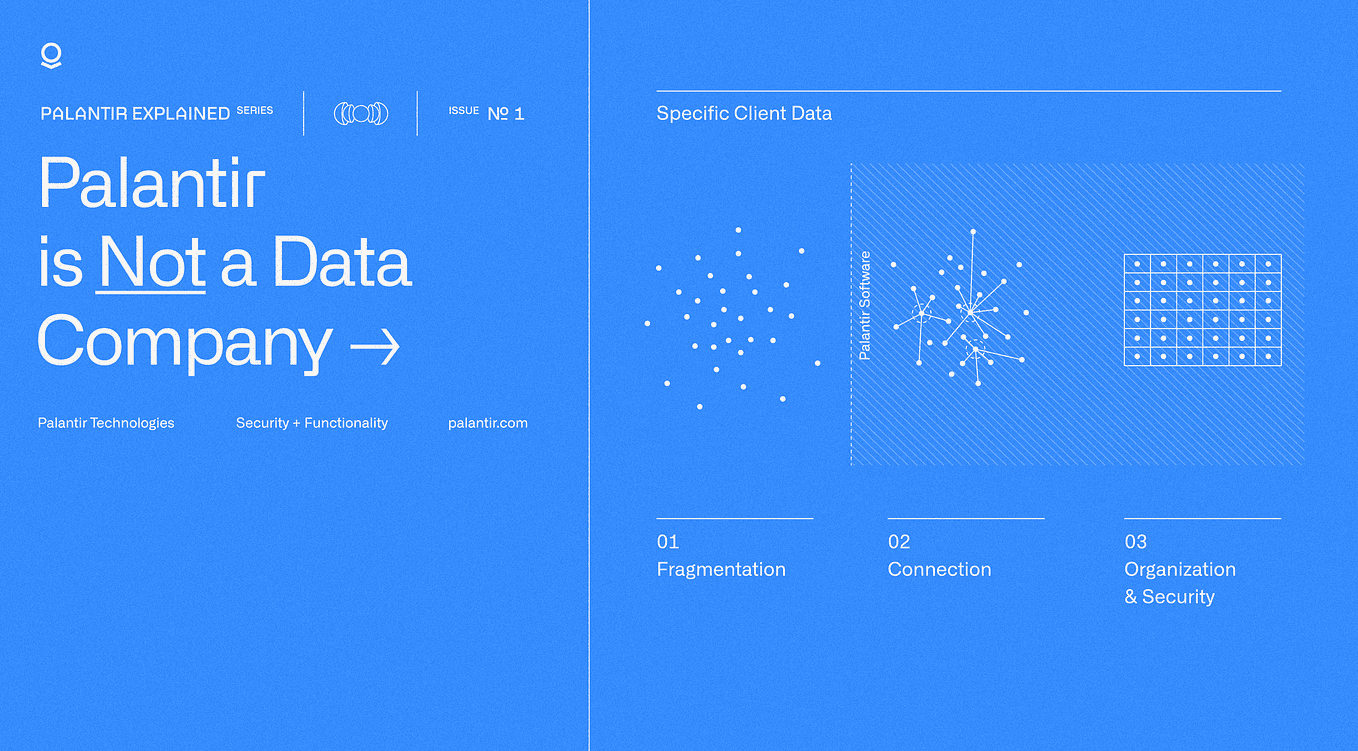
This is not an abstract theory for Palantir; it is the foundational principle of its Artificial Intelligence Platform (AIP). AIP is designed to connect directly to an organization's core operational systems, use large language models to understand natural language queries, and generate plans or answers that enable operators to act. The celebrated "AIP Bootcamps" are intense, real-world simulations where frontline teams use the platform to solve complex logistical or strategic problems in days, a process that traditionally would involve weeks of managerial meetings and analysis.
Sankar's statement is a direct reflection of this product-led philosophy: build tools that allow the person with the problem to also be the person with the solution, dramatically flattening the decision-making timeline and structure.
The Competitive and Cultural Context
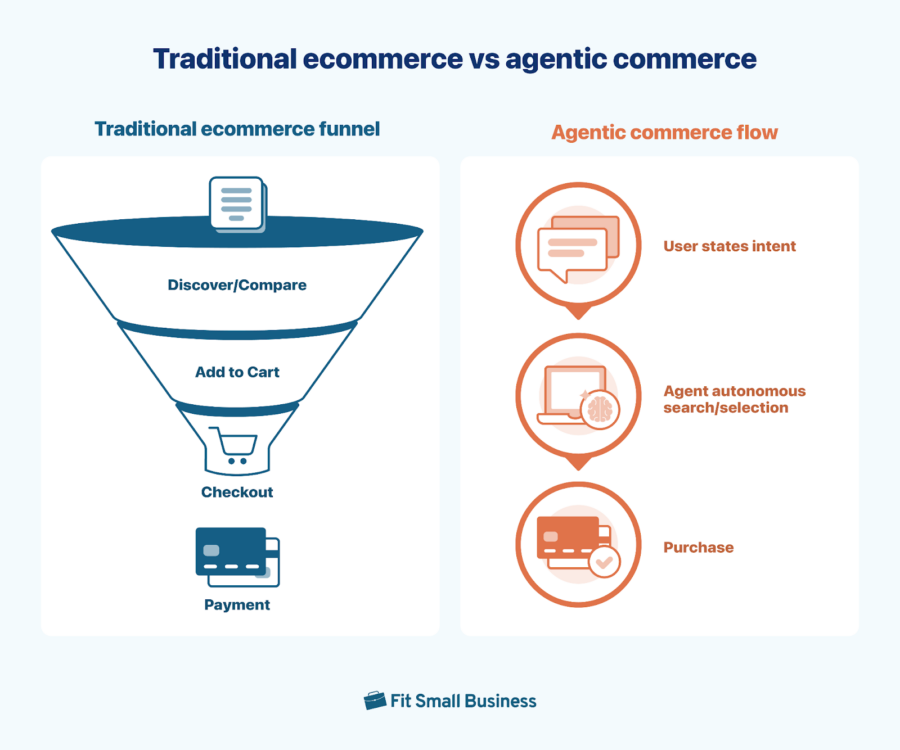
This vision places Palantir in direct ideological competition with enterprise software that often reinforces existing managerial workflows (e.g., traditional Business Intelligence dashboards for managers). It also aligns with a broader industry trend towards "agentic" AI systems that can autonomously execute multi-step tasks, further reducing the need for human managerial coordination.
However, this shift is as much a cultural challenge as a technical one. It requires organizations to trust data-driven recommendations from a platform and empower employees with unprecedented authority—a significant departure from century-old corporate norms.
gentic.news Analysis
Shyam Sankar's comment is a succinct articulation of the disruptive potential Palantir has bet its company on since its founding. It echoes the long-stated vision of CEO Alex Karp of building "the central operating system for the modern enterprise." This analysis positions AI not as a productivity plugin for managers, but as a foundational infrastructure that re-architects power dynamics within institutions.
This perspective gains credibility in light of Palantir's recent commercial success. As we covered following their Q4 2025 earnings, U.S. commercial revenue grew 70% year-over-year, driven largely by AIP adoption. Companies are not just buying analytics; they are buying into a new operational model. Sankar's "antidote" thesis is being stress-tested in real-time across sectors like manufacturing, healthcare, and logistics.
Furthermore, this connects to a wider industry narrative beyond Palantir. The rise of AI coding assistants like GitHub Copilot empowers individual developers, reducing dependency on tech leads for routine oversight. AI-driven diagnostic tools in healthcare provide clinicians with direct analysis. Sankar has effectively named the meta-trend: a broad, AI-enabled inversion of the 20th-century managerial pyramid. The major obstacle is no longer technical capability, but organizational change management and the redefinition of leadership roles in an AI-augmented workplace.
Frequently Asked Questions
What did the Palantir CTO mean by the "managerial revolution of the 20th century"?
He is referring to the historical development of large-scale corporate bureaucracy and layered middle management, which became the standard model for organizing complex industrial and post-industrial enterprises. This structure was necessary to collect information, make decisions, and disseminate orders in an era before real-time data synthesis.
How does Palantir's AIP platform act as an "antidote" to this?
Palantir's Artificial Intelligence Platform (AIP) is designed to integrate with an organization's data sources and operational software. It allows frontline personnel—like a logistics coordinator or a maintenance engineer—to ask complex questions in plain language and receive actionable plans. This enables them to make decisions and execute actions that previously required escalating requests through managerial chains for analysis and approval, thereby flattening the organizational structure.
Is Palantir the only company pushing this vision of AI?
While Palantir is one of the most vocal and architecturally committed to this philosophy, the trend is industry-wide. Other platforms, from Microsoft's Copilot for Microsoft 365 to various AI agent startups, are also aiming to empower individual contributors. However, Palantir distinguishes itself by focusing on mission-critical, operational decision-making in complex environments (defense, supply chains, clinical trials) rather than general office productivity.
What are the biggest challenges to this AI-driven organizational shift?
The primary challenges are human and cultural, not technical. They include: overcoming institutional inertia and legacy processes, redefining the role and value of middle managers, establishing trust in AI-generated recommendations for high-stakes decisions, and managing the significant change management required to redistribute decision-making authority.