What Happened
A social media post from AI educator Jaimin Jainam claims that professors at New York University (NYU), Stanford University, and Case Western Reserve University have "stopped building courses by hand" and are instead using Google's NotebookLM to automate course creation.
The post, which circulated on X (formerly Twitter), states: "Holy shit…Professors at NYU, Stanford, and Case Western stopped building courses by hand. They're using NotebookLM to do…" The post appears to reference an unverified report about academic adoption of AI tools for curriculum development.
Context
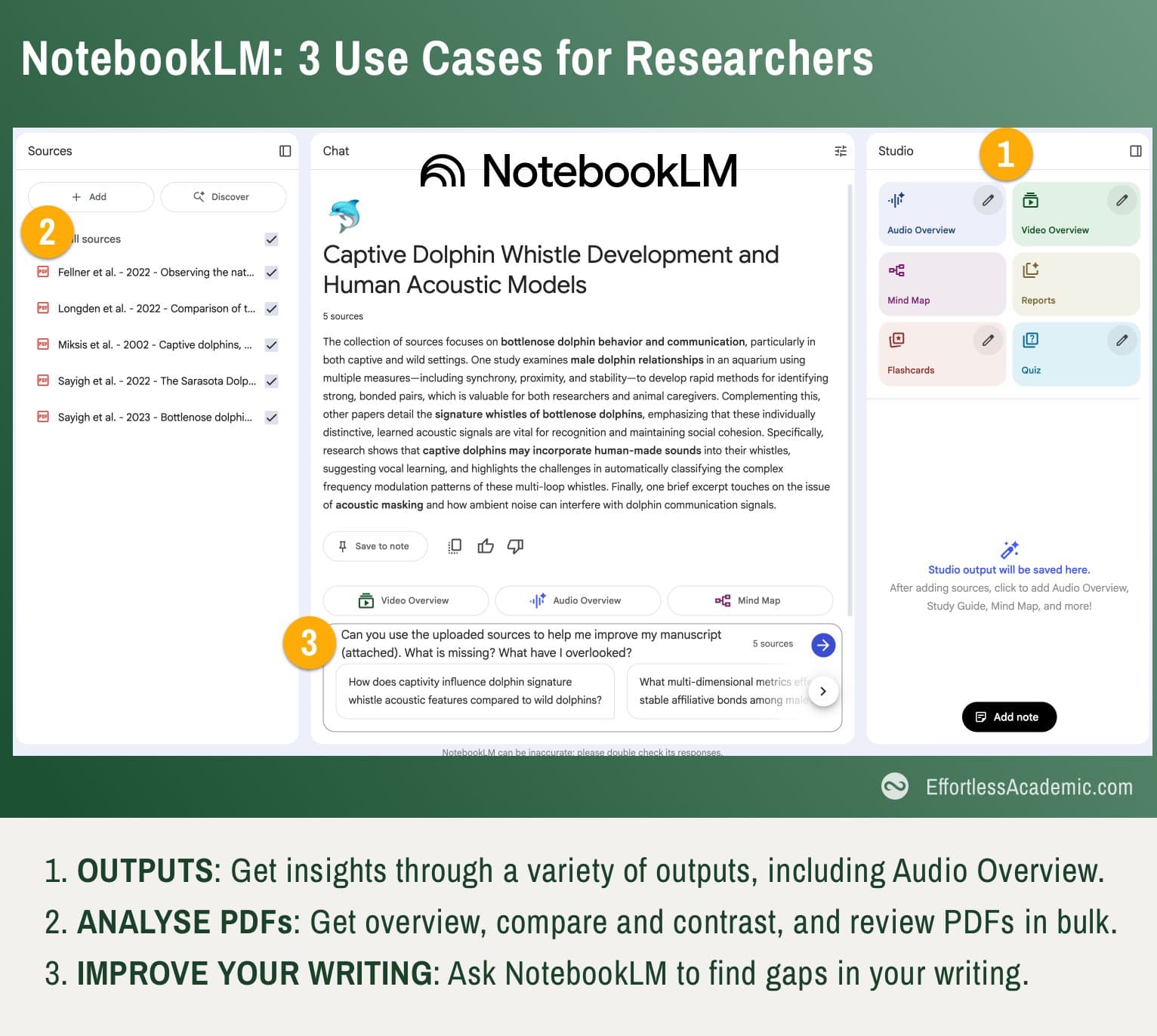
NotebookLM is Google's experimental AI-powered notebook application that allows users to upload documents (PDFs, text files, Google Docs) and interact with the content through a conversational interface. The tool can summarize documents, answer questions based on the uploaded materials, and generate new content grounded in the source documents.
The reported adoption at these institutions would represent a significant shift in how academic courses are developed, potentially automating tasks like syllabus creation, reading list compilation, lecture note organization, and assignment design.
Current Status
As of publication, there has been no official confirmation from NYU, Stanford, or Case Western Reserve University regarding systematic adoption of NotebookLM for course creation. The social media post does not specify:
- Which departments or specific professors are using the tool
- What percentage of course development is being automated
- Whether this represents official university policy or individual experimentation
- What specific course creation tasks are being handled by NotebookLM
Google launched NotebookLM in limited preview in 2023, positioning it as a research and learning assistant rather than specifically as a course creation tool. The platform uses Google's Gemini Pro model and emphasizes "source-grounding"—keeping AI responses tied to the user's uploaded documents rather than generating information from its general training data.
What NotebookLM Can Do
Based on Google's published documentation, NotebookLM capabilities relevant to course creation include:
- Summarizing lengthy academic papers or textbooks
- Generating study guides from course materials
- Creating FAQs based on uploaded content
- Suggesting connections between different source documents
- Answering specific questions about course content
The tool requires users to upload their own source materials, meaning professors would need to provide existing syllabi, textbooks, research papers, or other course content for NotebookLM to work with.
Unanswered Questions
The social media report raises several questions that remain unanswered:
- Verification: Is this widespread adoption or isolated experimentation by individual professors?
- Implementation: Are professors using NotebookLM for entire course creation or specific components like reading list generation?
- Quality control: How are universities ensuring the accuracy and appropriateness of AI-generated course materials?
- Policy: Have these institutions developed guidelines for AI use in curriculum development?
Without official confirmation or detailed case studies, the extent and nature of this reported adoption remains unclear. The development warrants monitoring as it could signal broader trends in academic AI adoption if verified.