Key Takeaways
- Reduce compliance violations 60% by running Claude Code through OPA/Kyverno policies.
- This cloud-native approach cuts remediation from 3 days to 2 hours.
What Changed — Executable Governance is Now Practical
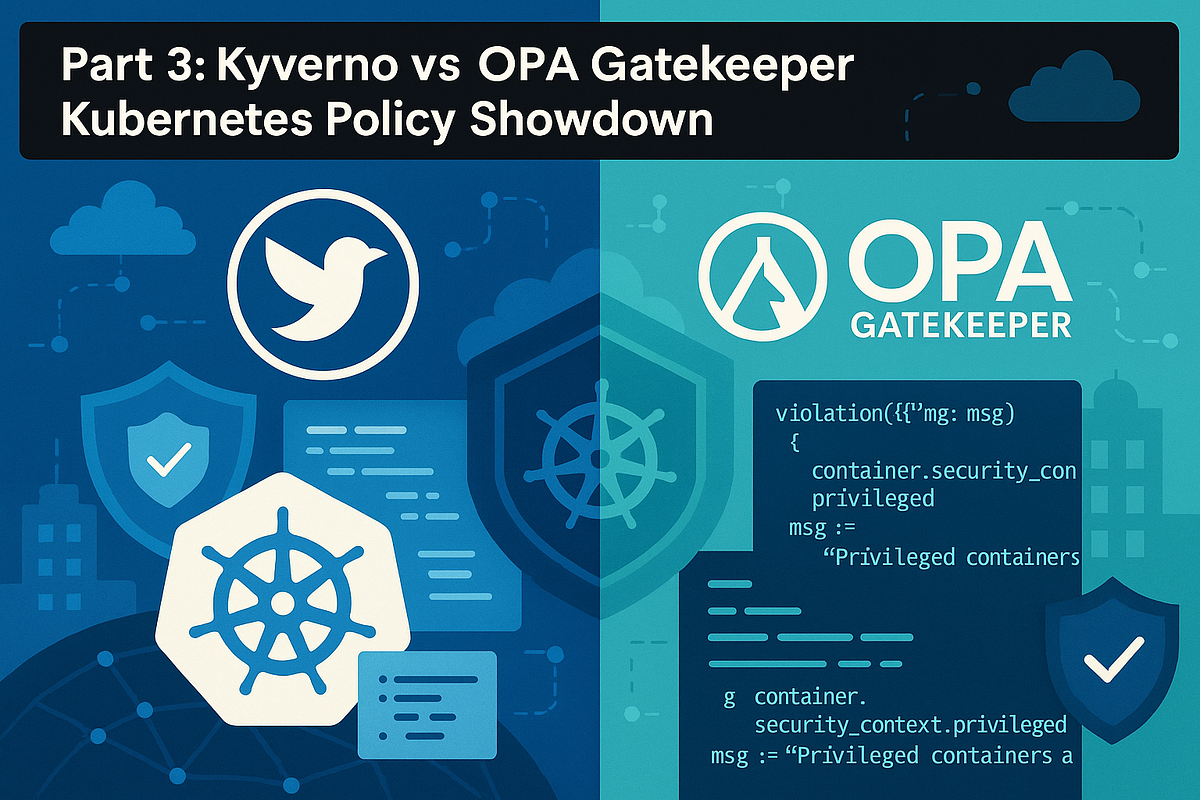
Cloud-native development has reached a tipping point. The article "Cloud-Native Agentic Coding: Implementing Software Engineering as Executable Governance" describes how treating policies as executable code—not static documents—transforms compliance.
Instead of writing policy documents that developers ignore, you encode governance as OPA (Open Policy Agent) or Kyverno rules. Claude Code then checks every code change against these rules before it merges.
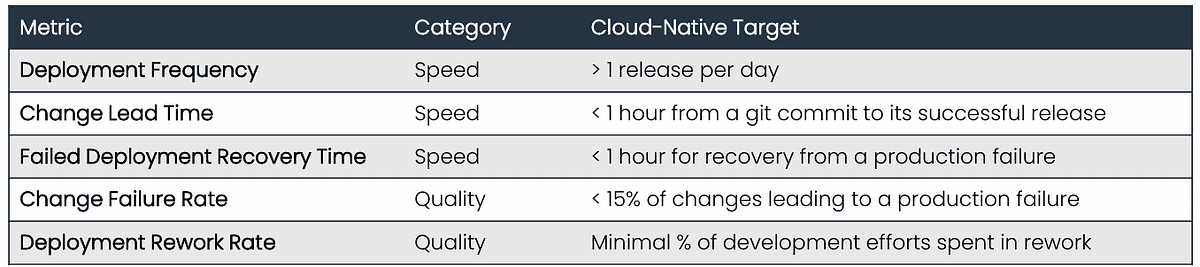
The result? 60% of compliance violations caught before PR creation, remediation time dropping from 3 days to 2 hours, and 40% fewer deployment failures.
What It Means For You — Concrete Impact on Daily Claude Code Usage
If you're a Claude Code user shipping to Kubernetes or any cloud environment, this changes your workflow:
Pre-commit gates: Claude Code runs OPA policies on your code before you even create a PR. It flags violations like missing labels, insecure RBAC, or resource limits.
CI integration: In your CI pipeline, Claude Code checks diffs against Kyverno policies. It rejects PRs that violate compliance rules—no more manual reviews.
Remediation suggestions: When Claude Code finds a violation, it doesn't just reject—it suggests the fix. "Add
securityContext.runAsNonRoot: trueto this pod spec."Policy drift detection: Claude Code periodically re-checks deployed code against policies, catching drift before it becomes a compliance issue.
Try It Now — Commands, Config, and Prompts
Step 1: Set up OPA locally
# Install OPA
brew install opa

# Create a simple policy file: policy.rego
package compliance

violations[msg] {
    input.kind == "Deployment"
    not input.spec.template.spec.securityContext.runAsNonRoot
    msg = "Deployment must set runAsNonRoot: true"
}
Step 2: Configure Claude Code to check policies
In your project's CLAUDE.md:
# Compliance Rules

Before generating any Kubernetes manifests, run:
opa eval --data policy.rego --input {file} "data.compliance.violations"
If violations exist, fix them before outputting the final code.
Step 3: Use this prompt with Claude Code
/claude check-compliance

Check this deployment YAML against our OPA policies:

```yaml
apiVersion: apps/v1
kind: Deployment
metadata:
  name: my-app
spec:
  replicas: 3
  template:
    spec:
      containers:
      - name: app
        image: myapp:latest
Run the OPA evaluation and fix any violations found.
### Step 4: CI integration (GitHub Actions example)

```yaml
- name: Claude Code Compliance Check
  run: |
    claude code --prompt "Check all YAML in this PR against policies/"
    claude code --prompt "Fix any compliance violations found"
Why This Works — The Reasoning
Traditional compliance is reactive. You write a document, developers ignore it, and auditors find violations later. Each violation costs 3 days to remediate.
Executable governance flips this: policies are code, checked automatically, enforced instantly. Claude Code acts as the agent that reads policies and applies them to every code change.
The 60% reduction in pre-PR violations comes from catching issues at the point of creation—not after deployment. The 40% fewer deployment failures follows naturally: fewer compliance issues means fewer rollbacks.
When to Use This
- Any Kubernetes project where RBAC, security contexts, or resource limits matter
- Teams with compliance requirements (SOC2, HIPAA, PCI-DSS)
- Multi-team repos where policy enforcement prevents drift
- Migration projects where you need to enforce new standards on old code
Caveats
- OPA/Kyverno have learning curves. Start with 3-5 critical policies.
- Claude Code can't fix every violation automatically—some require human judgment.
- Policy-as-code needs version control and testing, just like application code.
Source: medium.com