What Happened
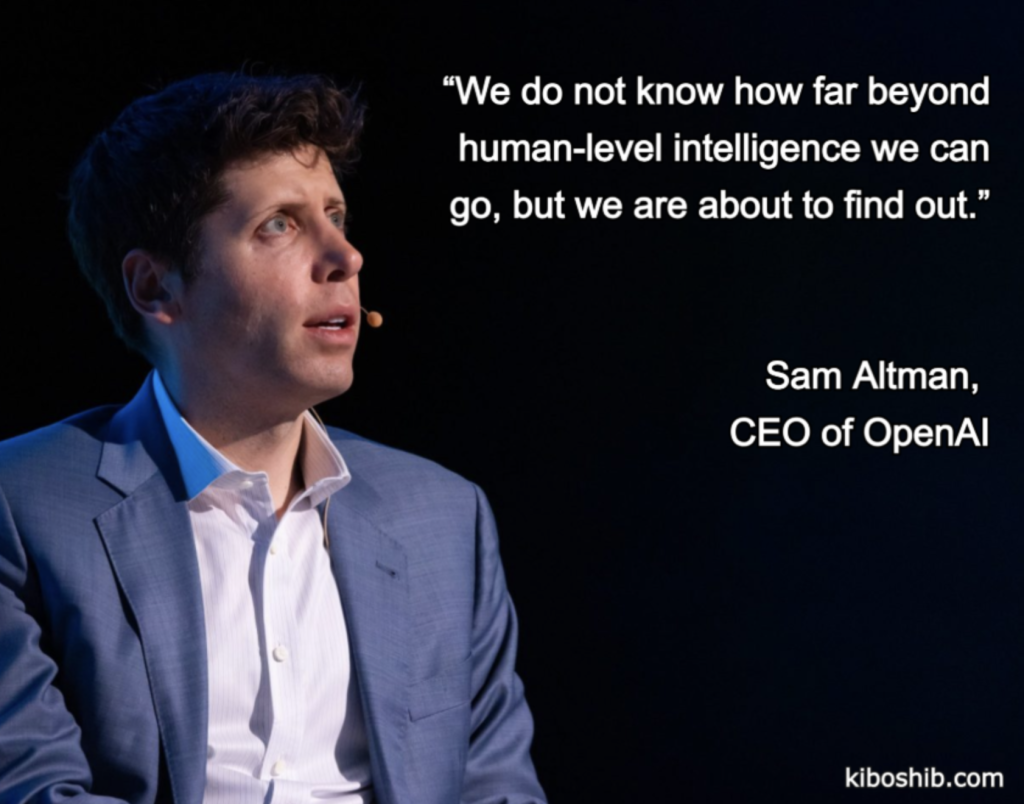
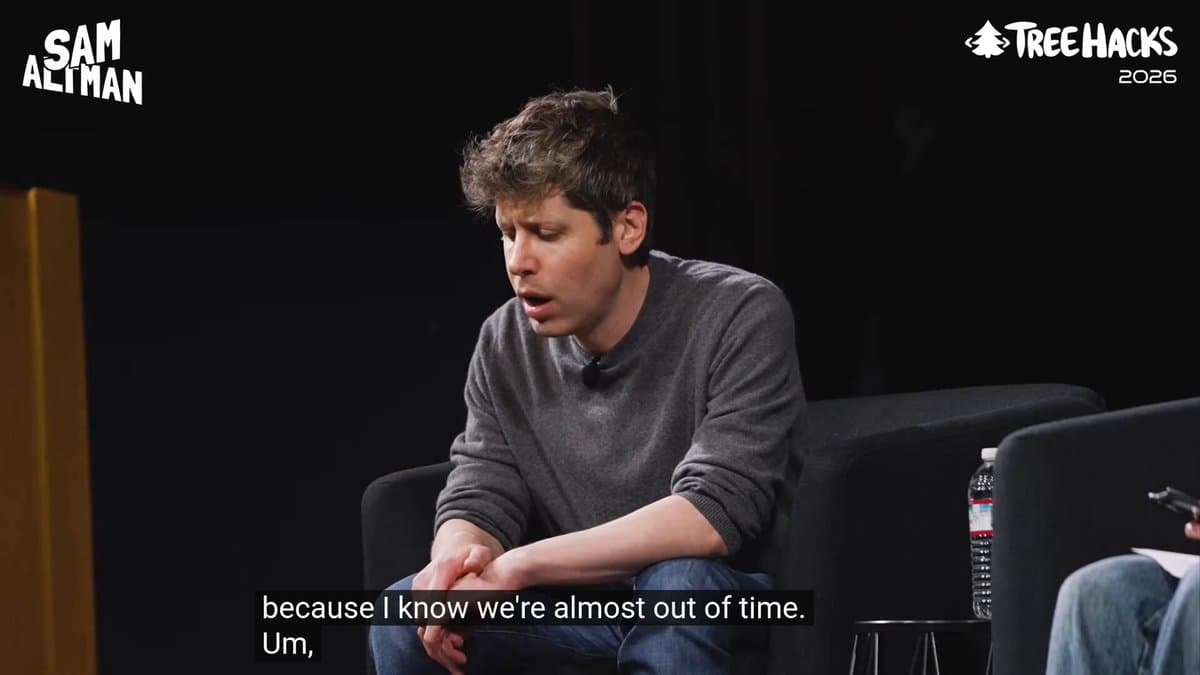
In an interview highlighted on social media, OpenAI CEO Sam Altman made two significant statements about the trajectory of AI development.
First, he indicated that a new AI architecture is on the horizon. He characterized its potential impact as a "massive upgrade," drawing a direct comparison to the historical shift from Long Short-Term Memory (LSTM) networks to the Transformer architecture. The Transformer, introduced in the 2017 paper "Attention Is All You Need," became the foundational model for virtually all modern large language models (LLMs), including GPT, Claude, and Gemini.
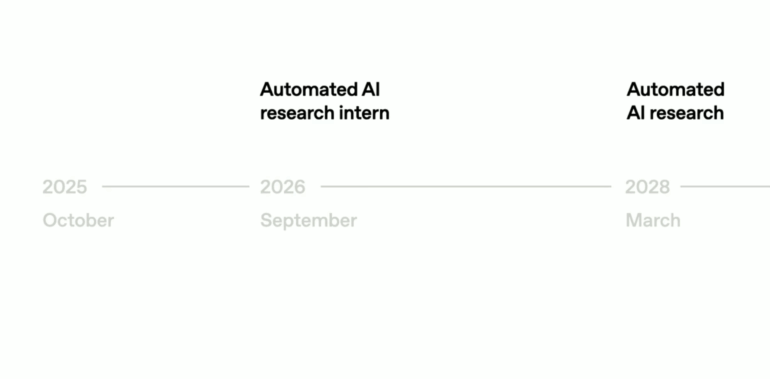
Second, Altman argued that the current generation of frontier AI models has reached a sufficient level of capability to be instrumental in the research process itself. According to his statement, these models now possess enough "brainpower" to assist researchers in discovering the next major architectural leap.
His accompanying advice was pragmatic: use today's AI tools to help find the next breakthrough.
Context
The comparison to the Transformer-LSTM transition is a high bar. LSTMs were the dominant sequence model for tasks like translation and text generation prior to 2017. Transformers introduced the self-attention mechanism, which allowed for massively parallelized training on much larger datasets, directly enabling the era of modern LLMs. A shift of similar magnitude would imply a fundamental rethinking of how AI models process and generate information.
Altman's second point reflects a growing trend in AI research: using LLMs as research assistants for tasks like literature review, hypothesis generation, and code writing for simulations. His statement suggests this practice is now mature enough to tackle core architectural innovation.
It is important to note that this is a teaser of future research direction from OpenAI's CEO, not an announcement of a specific model or paper. No technical details, timelines, or performance metrics were provided.