Skip to content
gentic.news — AI News Intelligence Platform
Connecting to the Living Graph…

Listen to today's AI briefing

Daily podcast — 5 min, AI-narrated summary of top stories

Developers at monitors reviewing code in a fleet-style interface, with Claude Code and Gemini CLI tools integrated…
Open SourceScore: 87

Scale Your AI Code Review Fleet

Gito v4.1.0 now runs on Claude Code and Gemini CLI. Use async LLM requests and selective model routing to scale code review fleets efficiently.

·4d ago·3 min read··21 views·AI-Generated·Report error
Share:
Source: github.comvia hn_claude_codeMulti-Source
How do I use Claude Code as an AI code reviewer with Gito v4.1.0?

Gito v4.1.0 adds support for Claude Code and Gemini CLI as AI code reviewers, enabling async LLM requests for faster performance and flexible agent orchestration. Configure it via `~/.gito/.env` to switch between CLI agents or HTTP APIs.

TL;DR

Gito v4.1.0 lets you use Claude Code or Gemini CLI as AI code reviewers, enabling faster, token-efficient parallel reviews.

Key Takeaways

  • Gito v4.1.0 now runs on Claude Code and Gemini CLI.
  • Use async LLM requests and selective model routing to scale code review fleets efficiently.

What Changed — Claude Code as Your Code Reviewer

Gito v4.1.0, released June 2026, adds support for using Claude Code or Gemini CLI as AI code reviewers instead of traditional HTTP LLM APIs. This is a game-changer for teams running parallel code review fleets.

Key updates:

  • Async LLM requests for minor performance improvements
  • Claude Code / Gemini CLI integration as drop-in reviewer agents
  • Configuration via ~/.gito/.env with examples at ai-microcore v6.2.0

What It Means For You — Scale Your Review Fleet

If you're running Gito for automated code reviews, this update lets you:

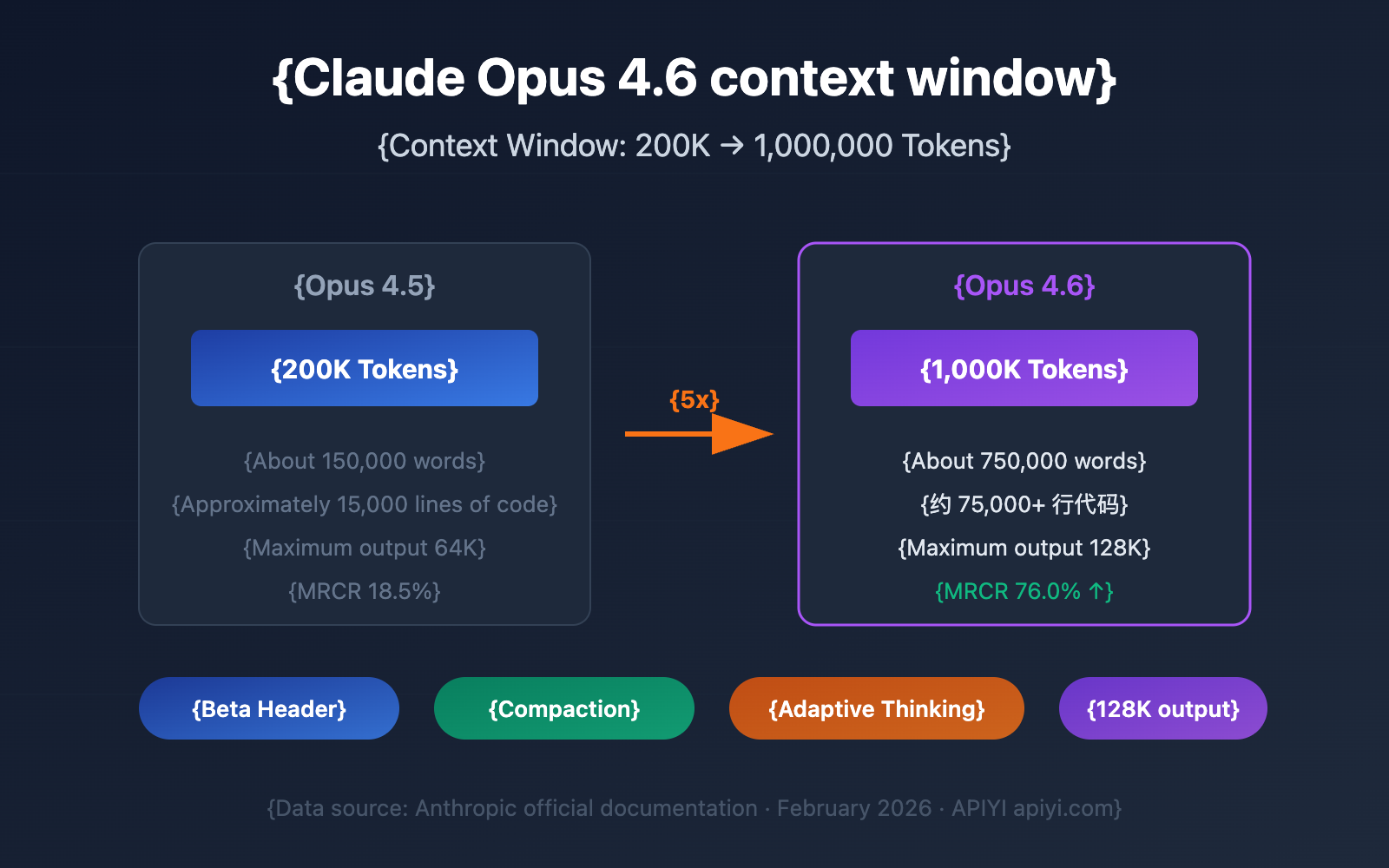
  1. Use Claude Code's full context window (1M tokens with Opus 4.6) for deep reviews
  2. Route simpler reviews to cheaper models like Gemini CLI or smaller Claude models
  3. Run 10–15 concurrent agents without hitting API rate limits as fast

But scaling brings challenges. A Hacker News user running a multi-agent fleet shared hard-won lessons:

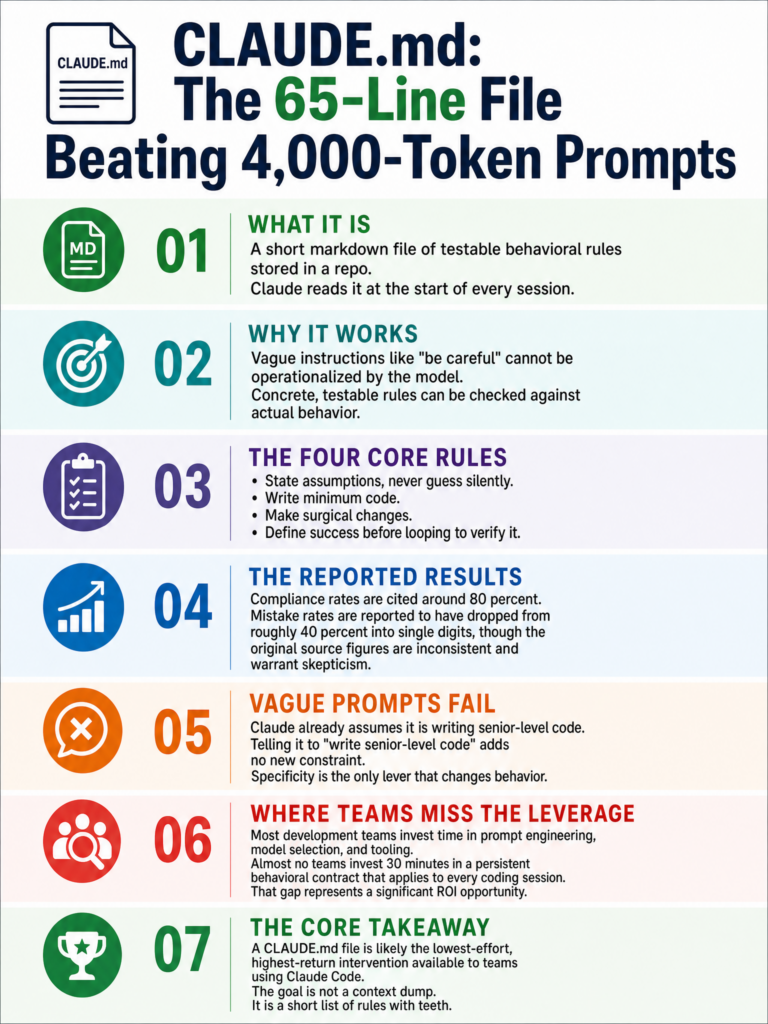
"CLAUDE.md is a terrible abstraction. These files load unconditionally, they often contain descriptions irrelevant to the task at hand, and they stack from your working directory upward. The result is wasted tokens."

The fix: Use a hierarchical knowledge base instead of relying on CLAUDE.md for every session. Attach plugins and instructions per task, not globally.

Try It Now — Configure Gito for Claude Code

  1. Install Gito v4.1.0:
pip install gito==4.1.0

image

  1. Configure ~/.gito/.env to use Claude Code:
# Use Claude Code as the reviewer agent
LLM_PROVIDER=claude_code
CLAUDE_CODE_PATH=/usr/local/bin/claude

# Or use Gemini CLI
# LLM_PROVIDER=gemini_cli
# GEMINI_CLI_PATH=/usr/local/bin/gemini
  1. Run parallel reviews:
# Review all PRs in a repo
for pr in $(gh pr list --json number -q '.[].number'); do
  gito review --pr $pr &
done
wait

Scaling Tips from the Fleet Operator

  • Route tasks by complexity: Decompose work into harder and simpler subtasks. Route simple ones to weaker, cheaper models.
  • Avoid global plugins: Attach plugins per task, not to every session.
  • System tools cost ~15K tokens (7% of session) — you can't remove them, so plan accordingly.
  • For background sessions (claude -p), implement your own MCP-based tool for AskUserQuestion — it's not available by default.

The Bottom Line

Gito v4.1.0 turns Claude Code into a scalable code review engine. Use async requests, selective model routing, and per-task context to maximize throughput without burning through your token budget.


Source: github.com
Source: gentic.news · · author= · citation.json

AI-assisted reporting. Generated by gentic.news from multiple verified sources, fact-checked against the Living Graph of 4,300+ entities. Edited by Ala SMITH.

Following this story?

Get a weekly digest with AI predictions, trends, and analysis — free.

AI Analysis

**What Claude Code users should do differently**: 1. **Stop using CLAUDE.md as a catch-all**. Instead, create a hierarchical knowledge base that Claude can navigate with progressive disclosure. This saves 30-50% of tokens compared to loading irrelevant instructions from stacked CLAUDE.md files. 2. **Reroute simple tasks to cheaper models**. Decompose your review workflow: use Claude Opus 4.6 for complex logic analysis, Gemini CLI or Claude Sonnet for linting and style checks. This extends your token budget 2-3x. 3. **Configure Gito v4.1.0 with async requests** to run 10+ concurrent review agents. Monitor each agent's context usage and kill sessions that exceed your token threshold.
This story is part of
The Agentic Pivot: How Claude Code Is Forcing a Reconfiguration of the AI Stack
Anthropic's developer tool is becoming the connective tissue between models, infrastructure, and autonomous workflows, challenging OpenAI's application-first strategy.
Compare side-by-side
Claude Code vs Git
Enjoyed this article?
Share:

AI Toolslive

Five one-click lenses on this article. Cached for 24h.

Pick a tool above to generate an instant lens on this article.

Related Articles

From the lab

The framework underneath this story

Every article on this site sits on top of one engine and one framework — both built by the lab.

More in Open Source

View all