What Happened
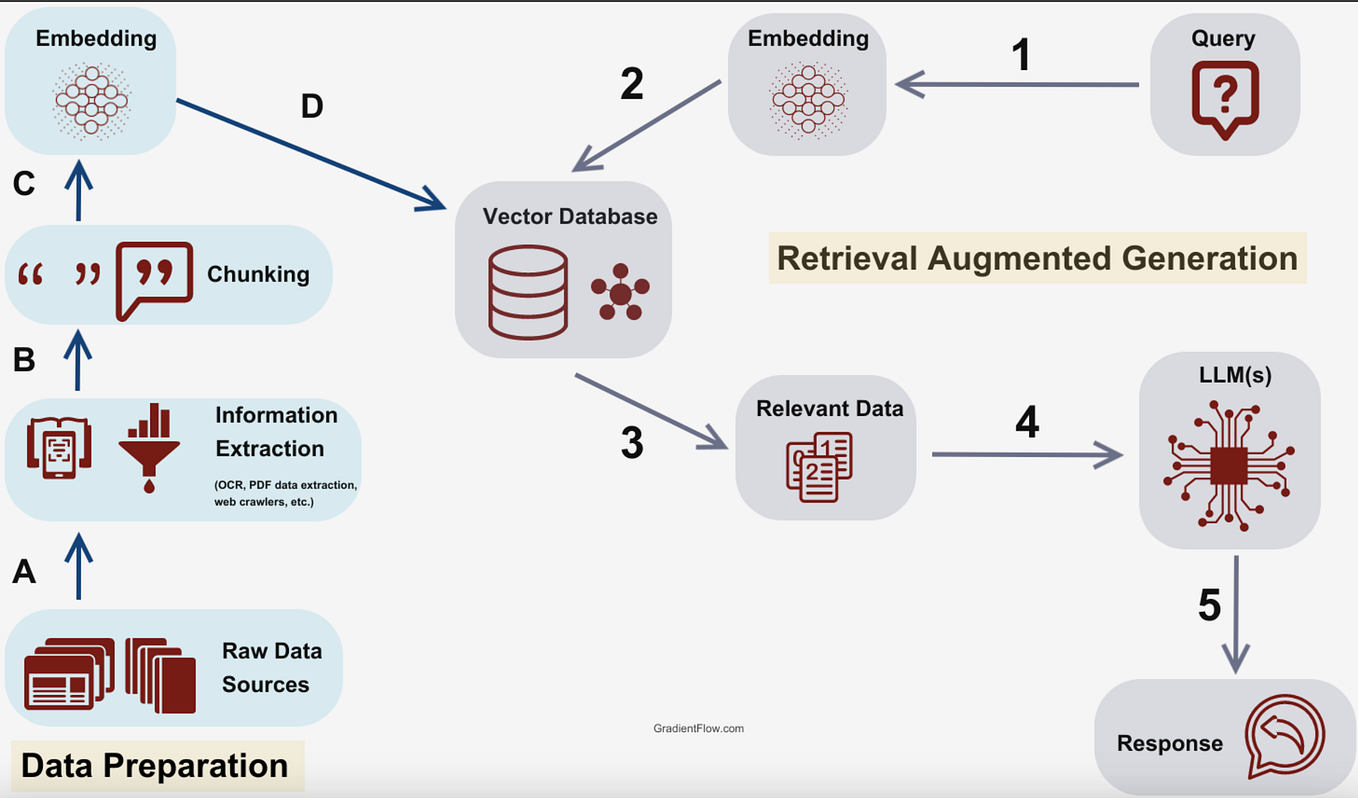
Shopify Engineering has released details on a research project titled "Flow generation through natural language: An agentic modeling approach (2026)." The work explores how large language models can be used to translate natural language descriptions into executable business flows — sequences of actions, decisions, and integrations that automate tasks within the Shopify ecosystem.
While the full paper or blog post is behind Shopify's engineering publication, the core premise is significant: instead of requiring merchants or developers to manually configure workflows using drag-and-drop builders or code, an AI agent interprets a user's intent (e.g., "when a customer returns an item, automatically refund the payment and restock the inventory") and generates the corresponding flow.
Technical Details
The approach is described as "agentic modeling" — a paradigm where an AI system acts as an autonomous agent, planning, executing, and verifying multi-step processes. This moves beyond simple text-to-action mappings (like "turn on the lights") to generating entire directed graphs of operations that may include:
- Conditional branches (if/then logic)
- API calls to external services
- Database queries and updates
- Error handling and rollback procedures
- Human-in-the-loop approval steps
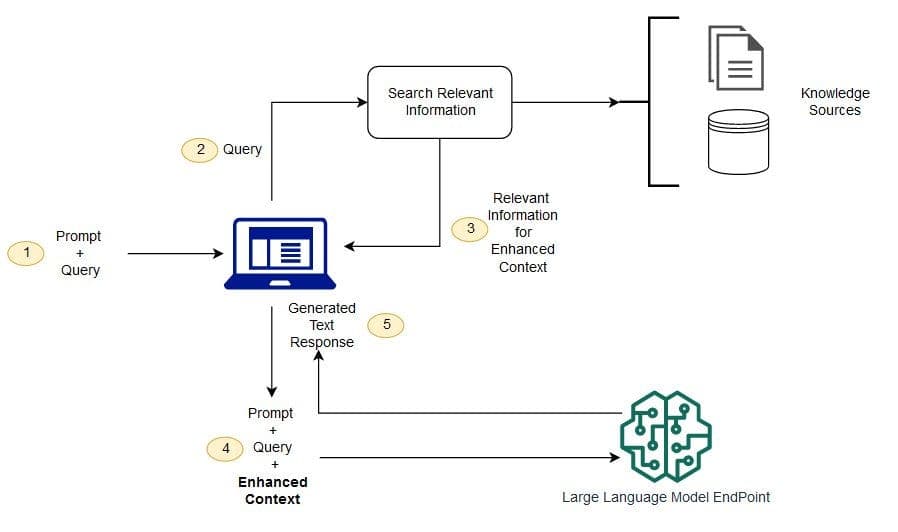
The agent likely uses a combination of:
- A large language model (LLM) for understanding natural language intent
- A planning module that decomposes high-level goals into sub-tasks
- A code or flow generation engine that outputs executable specifications (e.g., YAML, JSON, or Shopify's own workflow format)
- A validation loop that checks the generated flow for correctness and safety
Retail & Luxury Implications
For luxury and retail brands operating on Shopify or similar platforms, this capability could dramatically lower the barrier to creating sophisticated automation. Consider:
- Personalized customer journeys: A store manager could say "create a flow that sends a personalized thank-you email to VIP customers who spend over $5,000 in a month, and offer them early access to the new collection" — and the system generates the entire workflow.
- Inventory and returns: "When a product is returned in damaged condition, flag it for quality review, issue a gift card instead of a refund, and update the inventory count" — all from a single sentence.
- Multi-channel orchestration: "When a customer abandons their cart on Instagram, send them a WhatsApp message with a discount code, and if they don't convert within 24 hours, trigger a retargeting ad" — the agent handles the cross-platform logic.
For luxury brands especially, where customer experience is paramount, the ability to rapidly prototype and deploy personalized, rule-based flows without engineering cycles could be a competitive advantage.
Business Impact
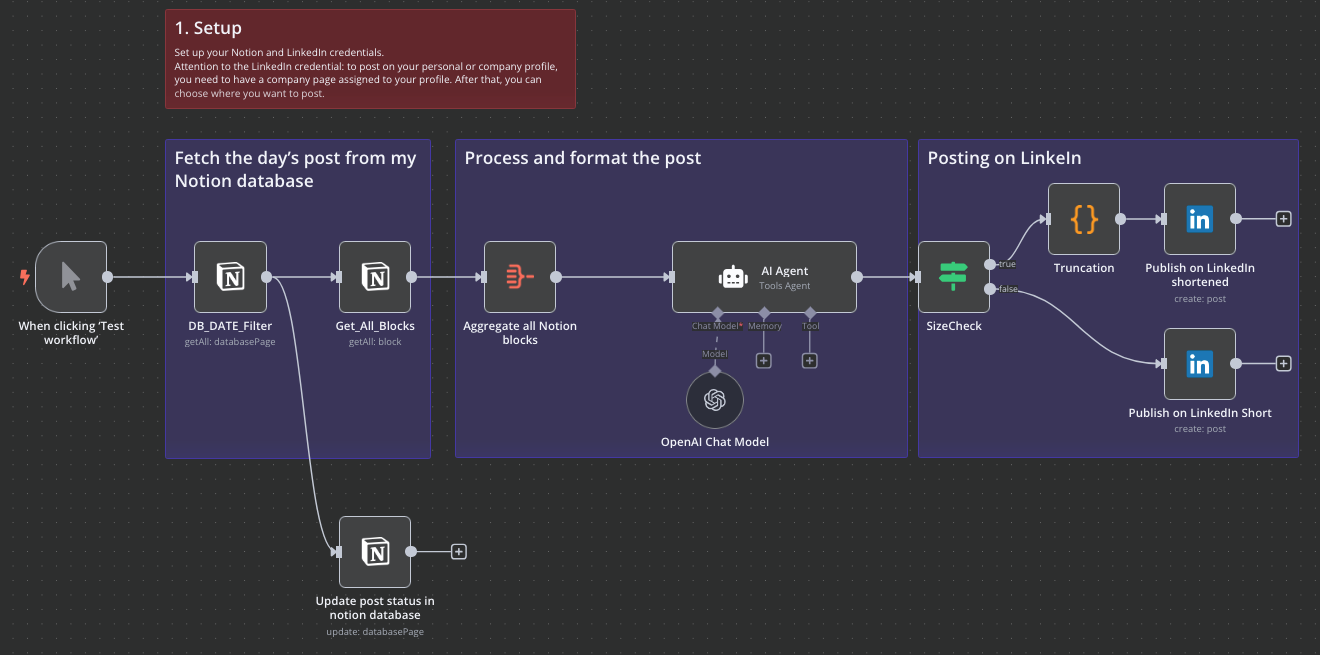
- Reduced time-to-automation: From days or weeks of configuration to minutes of conversation.
- Democratized workflow creation: Non-technical merchandisers, marketers, and customer service leads can build automations directly.
- Lower error rates: AI-generated flows, if properly validated, could reduce human mistakes in complex multi-step logic.
- Scalability: Once proven, this could extend to supply chain, procurement, and B2B partner workflows.
However, the maturity is research-stage. Real-world deployment will require robust guardrails, testing frameworks, and clear audit trails — especially in regulated environments.
Implementation Approach
- Technical requirements: Access to a capable LLM (likely GPT-4 class or equivalent), integration with Shopify's workflow engine (Flow, APIs), and a validation layer.
- Complexity: Medium-high for the modeling approach; low for end-users.
- Effort: Shopify would need to productize the research into a merchant-facing feature.
- Next steps: Brands should monitor Shopify's developer previews and consider piloting with their engineering teams once available.
Governance & Risk Assessment
- Privacy: AI must not expose customer PII in the flow generation process. Flows should be sandboxed.
- Bias: The agent could misinterpret ambiguous instructions or generate flows that disadvantage certain customer segments. Testing for fairness is essential.
- Maturity: Research stage. Not ready for production-critical workflows without human review.
- Lock-in: This deepens reliance on Shopify's platform and AI infrastructure.
gentic.news Analysis
This research from Shopify Engineering aligns with a broader industry trend we've tracked: the move from rule-based automation to intent-based automation. We previously covered similar work from Zapier (2025) on natural language trigger-action programming and from Salesforce's Einstein GPT for flow generation. Shopify's approach stands out because it targets the specific complexity of commerce workflows — inventory, payments, shipping, returns — which have unique state and error conditions.
The "agentic modeling" framing is also notable. Rather than treating flow generation as a translation task (NL → code), Shopify's approach treats the AI as an agent that plans and iterates. This mirrors the shift we've seen in other domains, like autonomous web navigation and robotic process automation.
For luxury retailers on Shopify, the practical implication is clear: the gap between business intent and technical implementation is narrowing. Brands that invest early in understanding these capabilities — and in structuring their data and APIs to support AI-generated flows — will be positioned to move faster when the technology matures.
However, we advise caution. The 2026 date in the title suggests this is forward-looking research. Production-grade reliability, especially for high-value luxury transactions, will take time. The risk of an AI generating a flow that incorrectly processes a $10,000 order is non-trivial.
In the meantime, brands should focus on cleaning up their workflow data, documenting existing automations, and training teams on prompt engineering for business process description. When the technology is ready, those foundations will accelerate adoption.