What It Does — A Persistent Filesystem for Your AI Agent
Bossa solves a specific, daily frustration for Claude Code users: having to repeatedly paste the same context—architecture decisions, naming conventions, personal preferences—every time you start a new session or switch machines. It provides a persistent filesystem that your Claude Code agent can interact with using familiar commands: ls, grep, read, write, and glob. Whatever Claude writes to this memory in one session is available in the next.
This isn't a complex RAG system. It's a simple, fast abstraction. Under the hood, it uses Postgres with trigram full-text search, where each file is a row and directories are implicit from paths. The creator reports grep across 10,000 files takes about 50ms.
Why It Works — Progressive Disclosure Beats Context Bloat
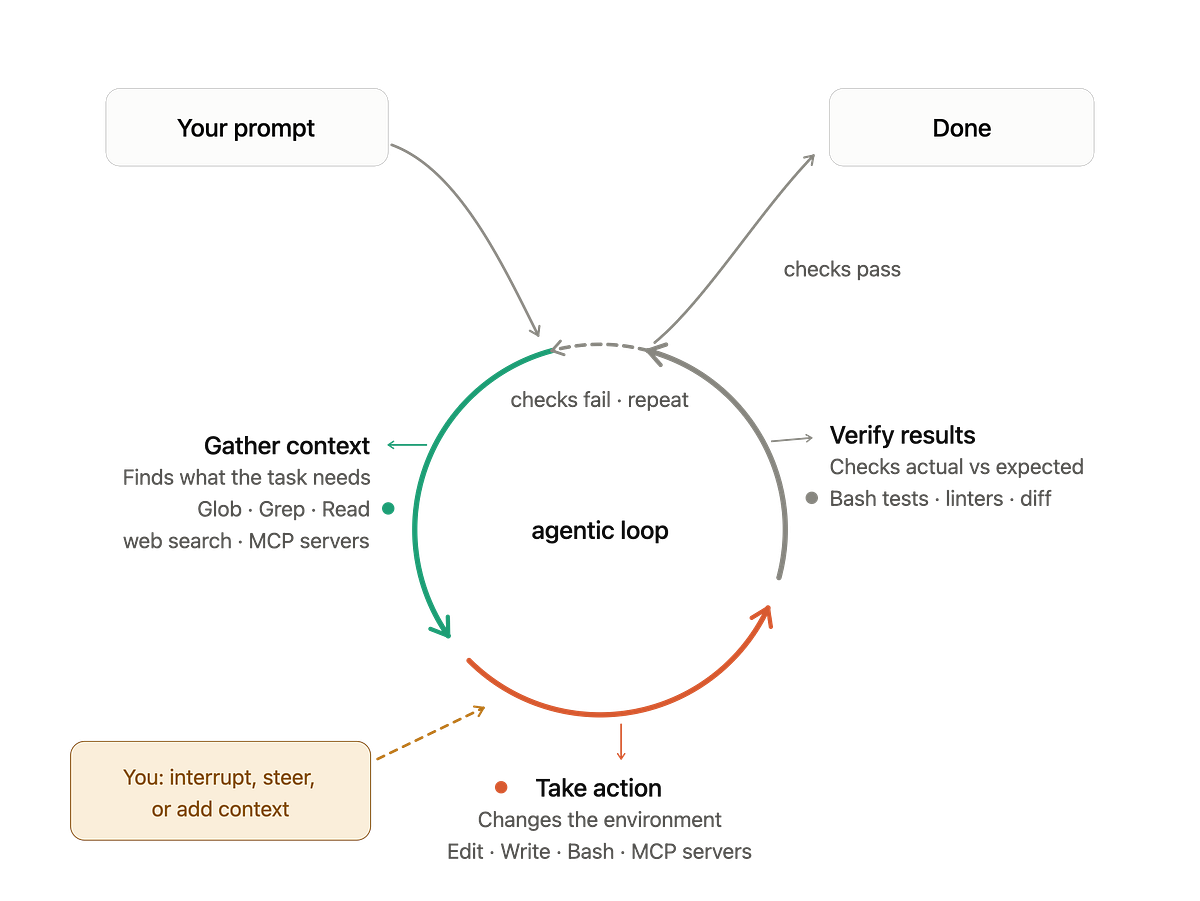
The core advantage isn't just persistence; it's progressive disclosure. LLMs, including Claude, reason worse when their context window is bloated with irrelevant information. A filesystem enables the agent to start lean. It can ls to see what's available, grep for specifics, and read only what it needs for the task at hand. By the time Claude is deep in reasoning about your actual coding problem, its context is full of signal, not noise.
This approach elegantly solves problems where traditional semantic search (RAG) fails. A rule like "use camelCase" shouldn't have to compete with semantically similar documents for retrieval rank. With Bossa, you can store a naming-conventions.md file, and Claude can fetch it directly when needed.
Setup — Connect Bossa to Claude Code in Minutes
Getting started is straightforward:
- Install and Authenticate:
pip install bossa-memory bossa signup bossa login - Test the CLI:
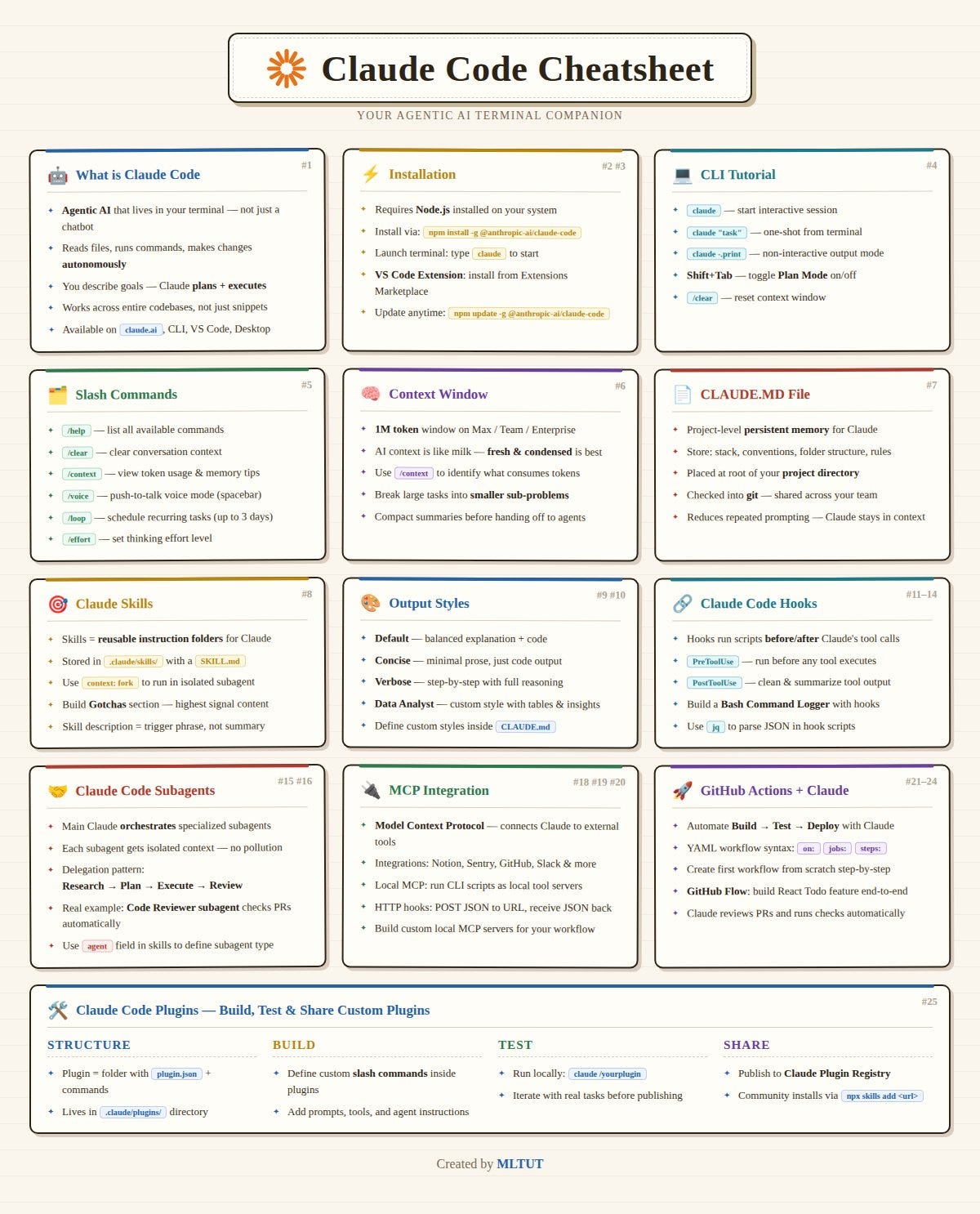
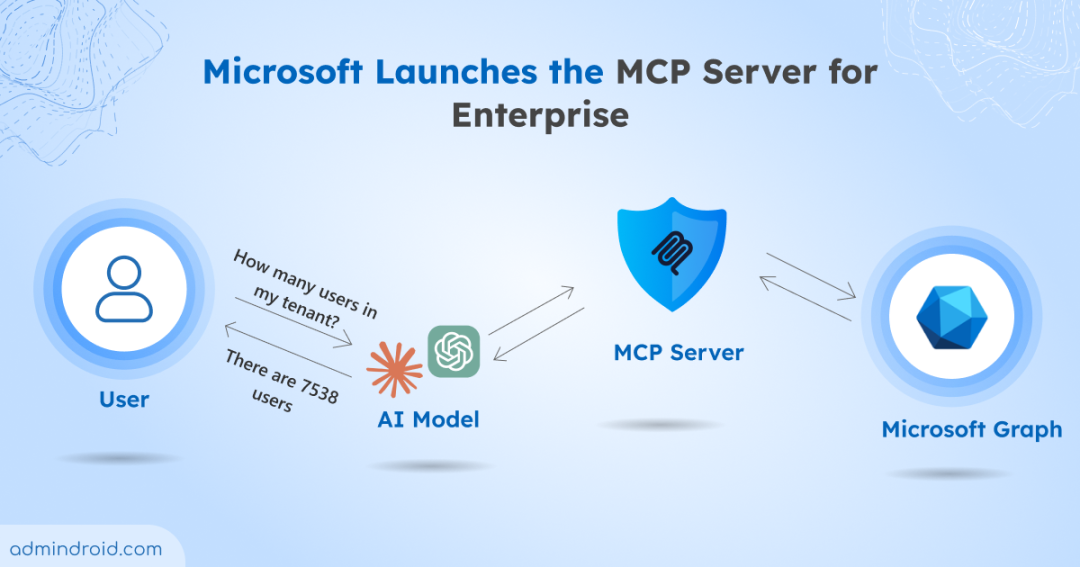
bossa files write /memory/test.md "Hello, Claude" bossa files read /memory/test.md - Connect via MCP: This is the key step for Claude Code integration. You need to add the Bossa MCP server to your Claude Code configuration. The exact method depends on your setup, but typically involves adding a server URL to a config file (like
claude_desktop_config.json). Consult the Bossa Docs for the latest MCP connection string.
Once connected, Claude Code gains new tools. You can prompt it directly: "Check my memory for the project's API design patterns" or "Save our decision about error handling to /memory/backend-decisions.md.
When To Use It — Beyond Personal Preferences
Start with your personal developer context:
- Project Conventions: Store
project-structure.md,api-patterns.md,testing-guide.md. - Architecture Decisions: Keep a running
ADR-log.md(Architecture Decision Record). - Code Snippets: Save boilerplate or complex examples for different frameworks.
Then, expand its use. Bossa's free tier offers 100MB and 1,000 requests per day, which is ample for textual memory. For teams or heavier use, self-hosting is documented and the code is MIT-licensed on GitHub.
The fundamental shift is moving from pasting static context to giving Claude an interactive, persistent workspace it can query on-demand. It turns Claude Code from a session-bound assistant into one with continuity, learning and remembering your patterns across every interaction.