The Technique: Outcome Engineering
The core idea is a fundamental shift in how you work with Claude Code. Instead of writing prompts that act as a detailed instruction manual ("Do step A, then step B, then step C"), you define the desired end state. You tell Claude what you want to achieve, not how to achieve it. This transforms your role from a micromanager to a project director, giving the model the autonomy to plan and execute complex tasks.
Why It Works: Leveraging Autonomy and Reasoning
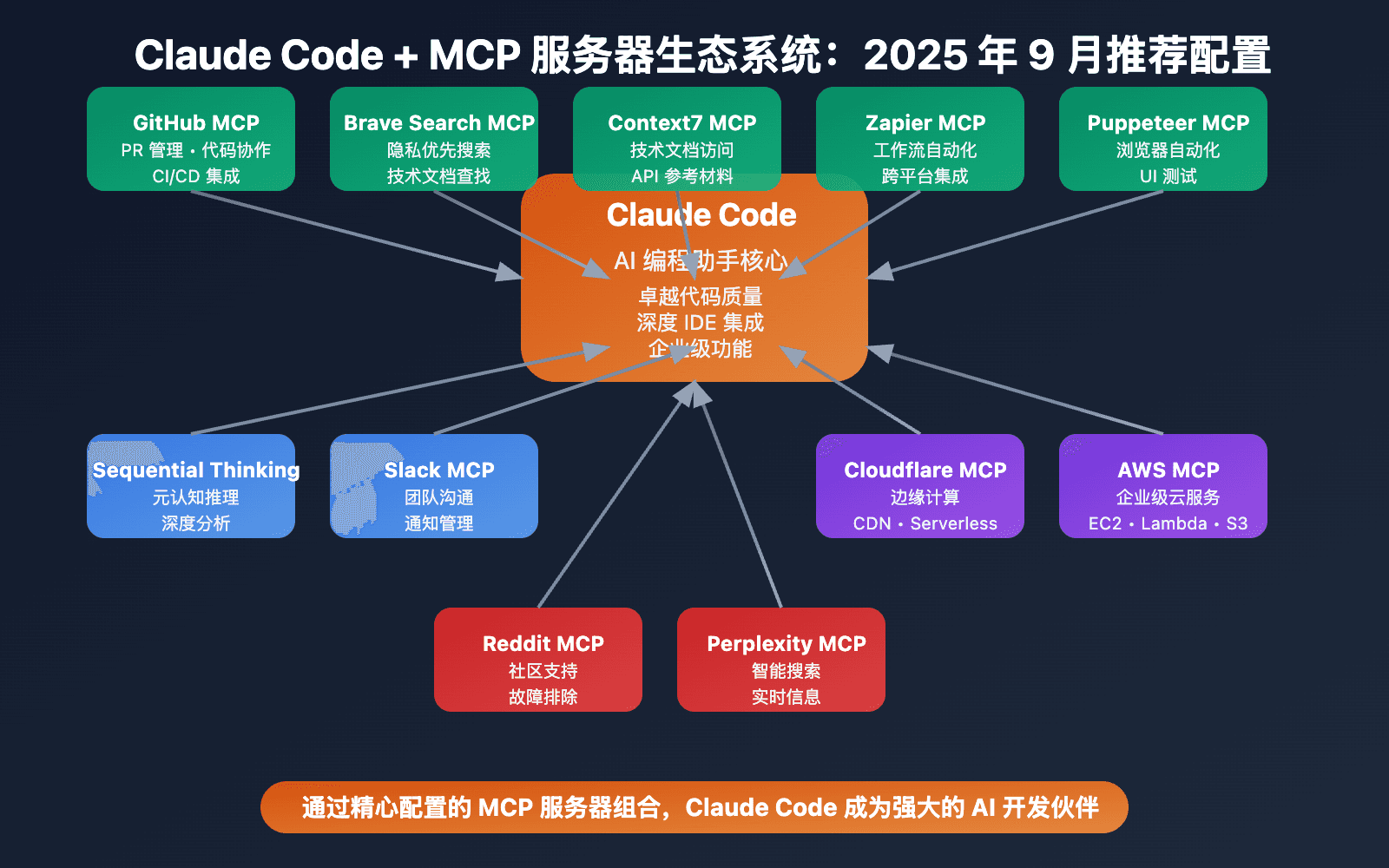
This works because Claude Code, especially with recent model updates, is exceptionally good at complex reasoning and breaking down high-level goals into actionable steps. When you provide a clear outcome, you're leveraging its full planning capabilities. You're not wasting tokens on restrictive, procedural instructions that might limit its approach or problem-solving creativity. This is particularly effective when combined with tools and MCP servers—Claude can decide which tools to use and in what sequence to reach your defined outcome.
How To Apply It: Rewrite Your CLAUDE.md
The most immediate application is in your CLAUDE.md project context file. Stop writing lists of rules and step-by-step workflows. Start defining objectives.
Instead of this (Process Engineering):
## Workflow
1. Always run `npm test` before committing.
2. Use the `refactor` MCP server for any function over 20 lines.
3. Create a PR description with this template...
Do this (Outcome Engineering):
## Project Objectives
- **Code Quality:** All commits must pass the existing test suite. New features require corresponding tests.
- **Maintainability:** Code should be modular and readable. Refactor when complexity reduces clarity.
- **Collaboration:** PR descriptions should clearly communicate the change's purpose and impact for reviewers.
Instead of this (Micromanaging a task):
"Search the codebase for 'userAuth', check the third-party auth MCP server docs, and write a wrapper function."
Do this (Defining an outcome):
"Outcome: A secure, well-documented wrapper function for our third-party auth service is implemented and integrated into the lib/auth module."
This shift also applies to your daily prompts. Frame your requests around the finished product:
- Weak Prompt: "Add error handling to this function, then log the error to the console, then update the API response."
- Strong Prompt: "Outcome: This function gracefully handles all potential failures, provides useful logging for debugging, and returns appropriate API error responses to the client."
By engineering outcomes, you unlock Claude's ability to navigate your codebase, select tools, and devise optimal solutions you might not have prescribed, leading to more robust and creative results.