Tariffs on imported components could increase AI data center construction costs by 20-30%, per a new CSIS report. The policy analysis warns that supply chain bottlenecks threaten the $200B US hyperscaler buildout through 2028.
Key facts
- Tariffs could raise data center costs by 20-30%.
- US hyperscalers have $200B+ in projects planned through 2028.
- GPUs, cooling, and electrical equipment are most vulnerable.
- Google has 7 new AI data center projects identified.
- Current permitting averages 4 years post-approval.
A new CSIS report published this week quantifies the tariff risk hanging over the US AI data center boom. Tariffs on imported components — particularly GPUs, cooling systems, and electrical equipment — could raise construction costs by 20-30%, the think tank estimates [According to The Impact of Tariffs on the AI Data Center Buildout: Balancing Supply Chain Security and AI Infrastructure Leadership].
The supply chain vulnerability is concentrated. The report identifies GPU imports, cooling systems, and electrical equipment as the most tariff-vulnerable nodes. While Nvidia's H100 and B200 GPUs are assembled in Taiwan and South Korea, the broader data center bill of materials draws heavily on Chinese supply chains for transformers, switchgear, and precision cooling hardware.
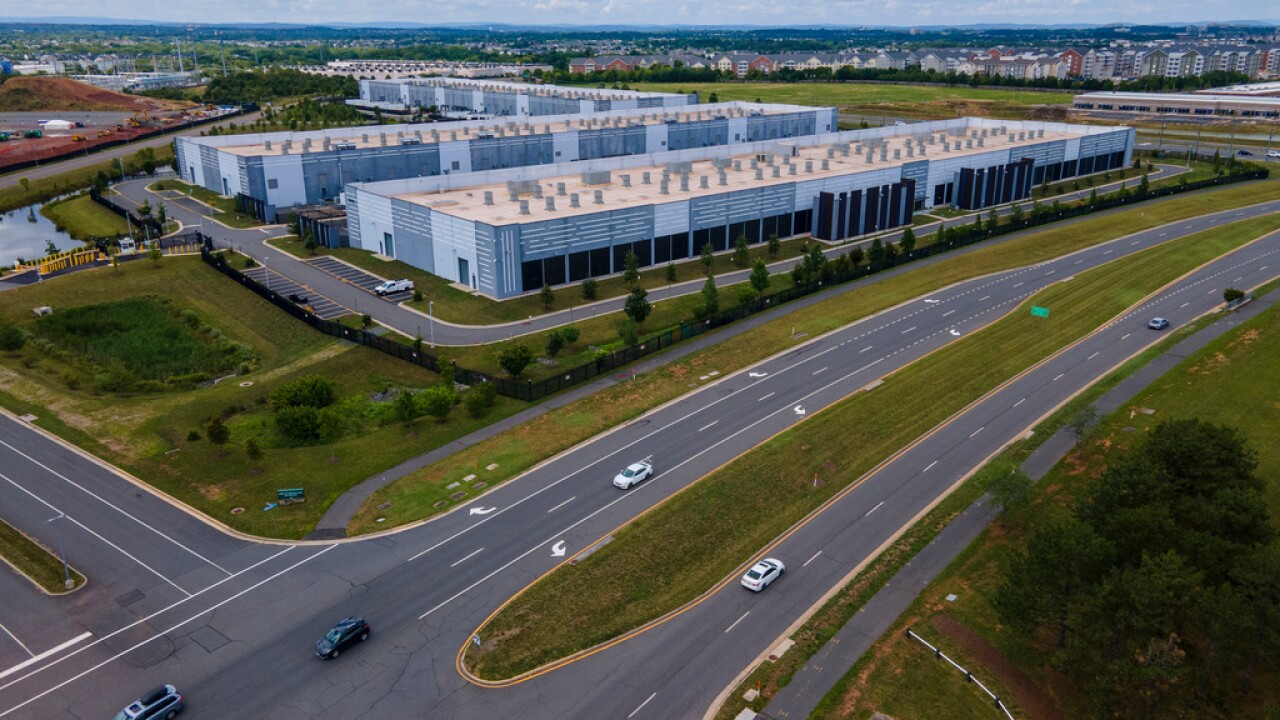
The dollar figures are staggering. CSIS estimates that US hyperscalers — Google, Microsoft, Amazon, and Meta — have over $200B in data center projects under construction or in planning stages through 2028 [According to CSIS]. Google alone has 7 new AI data center projects identified, including a $5B+ Texas facility for Anthropic scheduled for completion by 2026, as previously reported. A 20-30% cost overhang translates to $40-60B in unplanned expense.
The unique take: tariffs create a timing paradox. The CSIS report draws a direct line between tariff policy and the timeline for US AI infrastructure leadership. The same tariffs designed to reshore semiconductor manufacturing could delay the data centers that house those chips. "Balancing supply chain security and AI infrastructure leadership" is the report's framing — but in practice, the two goals are in tension over the next 18-24 months.
Policy recommendations are narrow. CSIS recommends targeted tariff exemptions for AI infrastructure components, accelerated domestic manufacturing incentives for cooling and electrical equipment, and streamlined permitting for data center construction. The report notes that current permitting timelines average 4 years post-approval, per PJM data covered in our earlier reporting.
The comparative angle. The tariff risk compounds existing constraints. Our May 12 analysis showed AI data centers face 4-year post-approval delays. Adding 20-30% cost overhang from tariffs means the US could see both slower buildout and higher costs — a worst-case combination for hyperscalers racing against Chinese AI infrastructure spending.
What to watch

Watch for the next round of tariff exemptions under Section 232 and Section 301 — specifically whether AI infrastructure components get carved out. Also track hyperscaler quarterly capex guidance: any downward revision from Google, Microsoft, or Amazon would signal tariff impact is material.