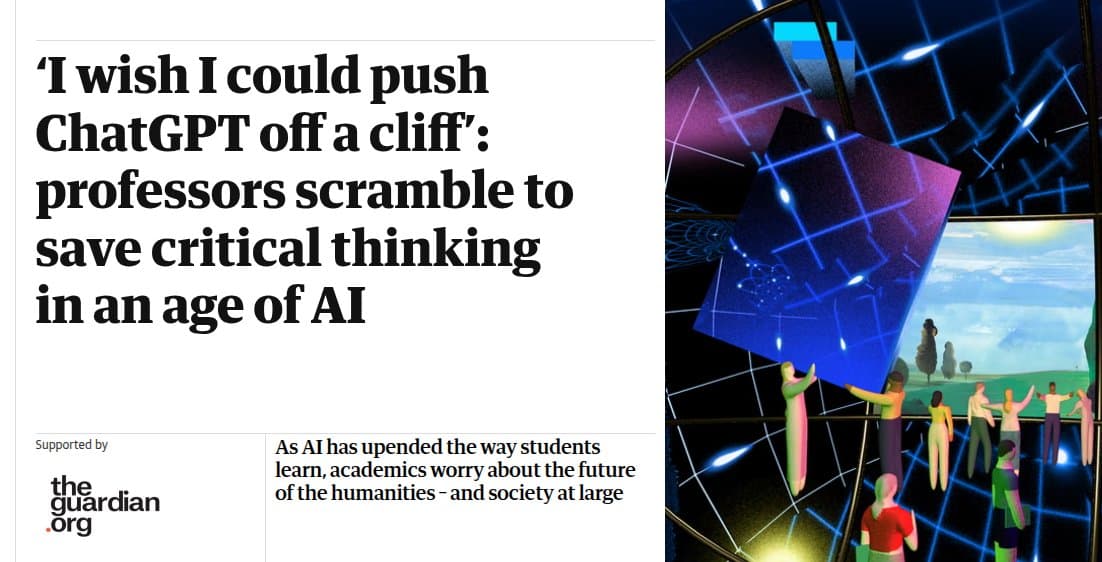
University professors across disciplines are grappling with a fundamental shift in how students approach complex cognitive tasks, with literature departments sounding particular alarm bells about the erosion of independent thought. According to a recent Guardian investigation, educators are now embedding invisible "trap words" within digital assignments specifically designed to catch students who uncritically feed prompts into language models without engaging with the material.
The Detection Arms Race
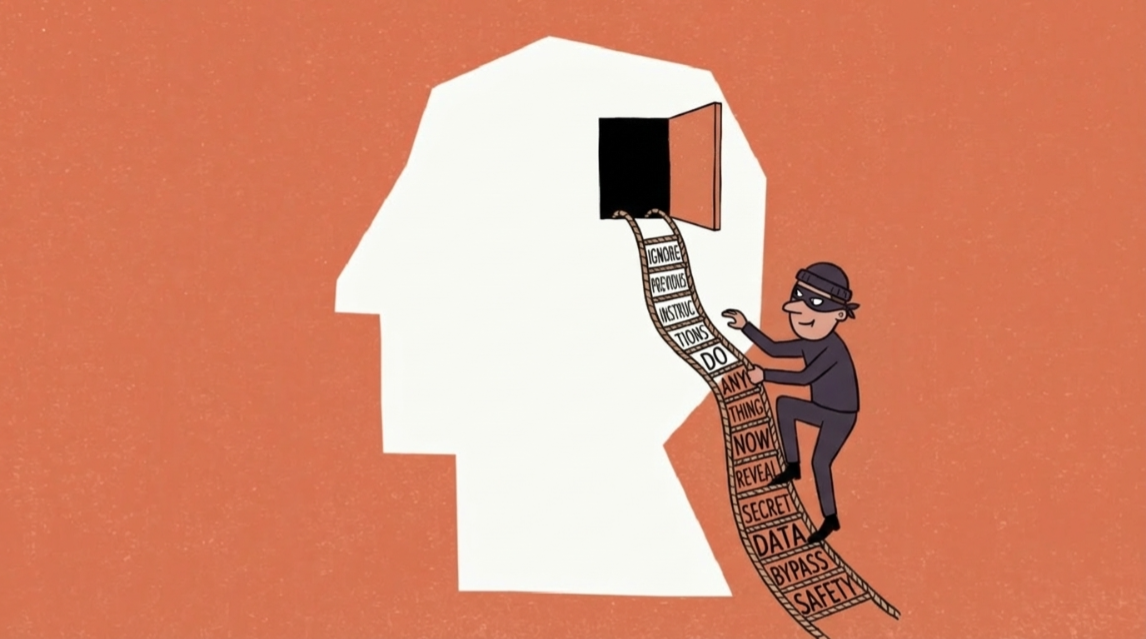
The practice represents an escalation in what has become an academic arms race between educators and students over AI usage. Literature professors report that students are increasingly bypassing the intellectual work of synthesis and analysis by offloading these processes to generative AI systems. The trap words—deliberately placed, contextually inappropriate terms or phrases—serve as digital tripwires that reveal when assignments have been generated rather than thoughtfully composed.
One professor described the phenomenon as "measurable collapse" in students' ability to work with raw information, noting that the cognitive shortcuts provided by language models are fundamentally altering how students develop critical thinking skills. This concern appears particularly acute in humanities disciplines where the process of interpretation and synthesis is central to learning outcomes.
Disciplinary Divide: Science vs. Literature
Interestingly, the Guardian report reveals a significant disciplinary divide in how AI tools are being received within academia. While science and technology departments often welcome these tools as productivity enhancers that can assist with coding, data analysis, and technical writing, literature and humanities departments are witnessing what they describe as an existential threat to their educational mission.
This divergence reflects fundamentally different conceptions of what constitutes legitimate tool use versus cognitive substitution. In scientific contexts, AI might accelerate computation or automate routine tasks while leaving the core scientific reasoning intact. In literary analysis, however, the interpretive act itself—the wrestling with ambiguity, the construction of meaning from text—is precisely what educators aim to cultivate, making AI assistance potentially more problematic.
Survey Data Reveals Widespread Adoption
Supporting these qualitative observations, surveys cited in the report indicate that approximately 92% of students now use generative software for assignments. This near-universal adoption suggests that the issue extends beyond isolated cases to represent a systemic transformation of student work habits. The sheer prevalence of AI usage has forced educators to reconsider traditional assessment methods and develop new pedagogical approaches.
Some institutions are reportedly experimenting with AI-aware curriculum design that explicitly teaches students how to use these tools responsibly while maintaining intellectual autonomy. Others are returning to more traditional assessment formats, including in-person writing exercises and oral examinations, to ensure students develop foundational cognitive skills.
The Broader Implications for Higher Education
The current situation raises profound questions about the future of education in an AI-saturated environment. If language models can reliably produce competent analyses of literary works, what becomes of traditional humanities education? Are we witnessing the automation of interpretation itself, or merely the outsourcing of preliminary cognitive labor?
Educators face the dual challenge of preparing students for a world where AI tools are ubiquitous while ensuring those same students develop the independent thinking skills necessary to use these tools wisely rather than being used by them. The trap word strategy, while creative, represents a reactive approach to a problem that may require more fundamental rethinking of educational objectives and methods.
Looking Forward: Beyond Detection
As the academic community continues to grapple with these issues, several paths forward are emerging. Some advocate for explicit "AI literacy" education that teaches students both the capabilities and limitations of language models. Others suggest redesigning assignments to focus on uniquely human cognitive strengths—personal reflection, creative synthesis, and contextual understanding—that current AI systems cannot easily replicate.
The ultimate solution may lie not in better detection methods but in reimagining education for an AI-augmented world. This might involve shifting from product-focused assessment (the finished essay) to process-focused evaluation (the development of ideas), or from individual achievement to collaborative knowledge-building that leverages both human and artificial intelligence.
What remains clear is that the relationship between students and AI tools will continue to evolve, and educators must evolve with it—not merely as detectives catching cheaters, but as guides helping students navigate a fundamentally new cognitive landscape.
Source: The Guardian investigation on AI's impact on student learning, March 2026