In a revealing comparison that challenges our assumptions about artificial intelligence, Meta's Chief AI Scientist Yann LeCun has highlighted a fundamental limitation of today's most advanced language models. While systems like GPT-4 process trillions of words, they still lack the intuitive understanding that even young children develop naturally through interaction with the physical world.
The Data Disparity
LeCun's analysis begins with a striking comparison of scale. The largest language models are trained on approximately 30 trillion words, which translates to about 10¹⁴ bytes of text data. This staggering number represents the collective written knowledge of humanity, compressed and analyzed through billions of parameters.
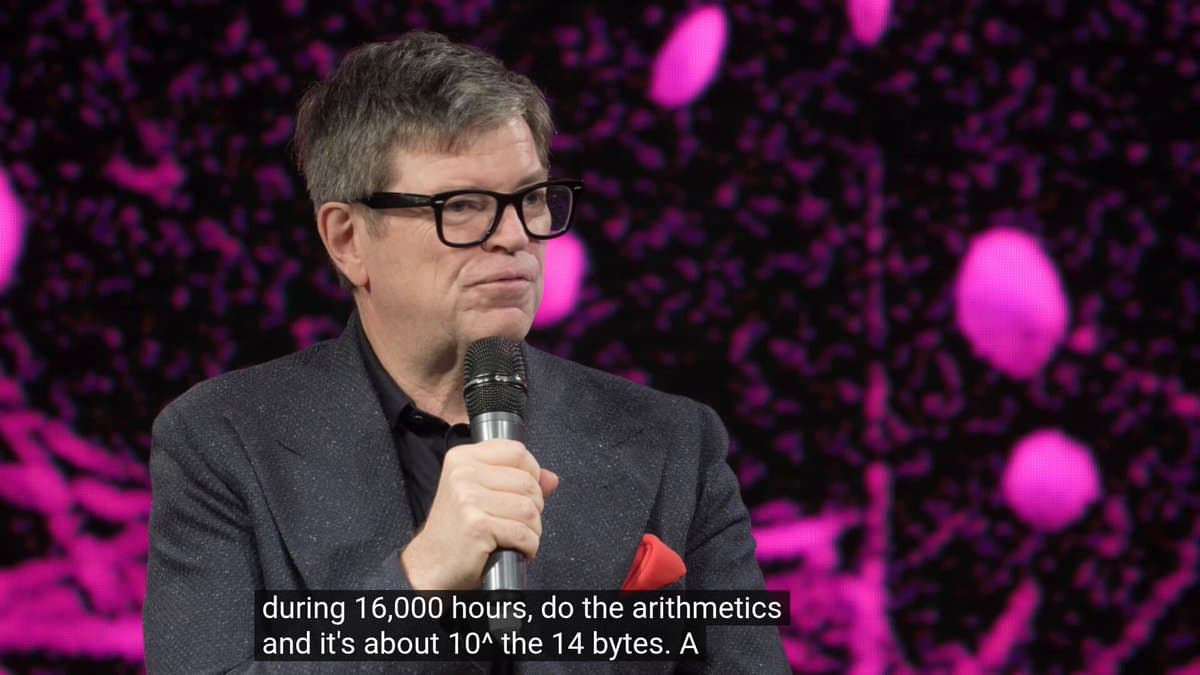
However, as LeCun points out, a four-year-old child who has been awake for about 16,000 hours has processed roughly the same amount of data—10¹⁴ bytes—through visual input alone. This equivalence in raw data quantity reveals a crucial qualitative difference in how intelligence develops.
The Nature of Learning
A child's data stream is fundamentally different from an LLM's training corpus. Children experience:
- Visual, continuous input rather than discrete text tokens
- Noisy, real-world data with imperfections and variations
- Action-oriented experiences tied to physical interaction
- Causal relationships observed through trial and error
- Multimodal integration of sight, sound, touch, and movement
From this rich sensory input, children naturally develop what LeCun calls an "internal world model"—an intuitive understanding of physics, object permanence, cause and effect, and social dynamics. This grounded knowledge allows them to learn new tasks, like loading a dishwasher, from just a few demonstrations.
The LLM's Limitations
In contrast, language models operate on a fundamentally different paradigm:
Token Prediction Focus: LLMs are trained primarily to predict the next token in a sequence, optimizing for linguistic patterns rather than understanding.
Disconnected Knowledge: Text data lacks the embodied, experiential quality of real-world interaction, creating what researchers call the "symbol grounding problem."
Statistical vs. Causal Understanding: LLMs excel at identifying statistical correlations in language but struggle with true causal reasoning about physical phenomena.
Sample Inefficiency: While children learn from few examples, LLMs require massive datasets to achieve comparable performance on narrow tasks.
The Path Forward
LeCun's critique isn't merely a criticism of current approaches but points toward necessary evolution in AI research. The limitations he identifies suggest several directions for future development:
Multimodal Integration: Combining language with visual, auditory, and potentially tactile data streams could create more grounded AI systems.
World Model Development: Building AI that can simulate physical interactions and predict outcomes could bridge the gap between statistical learning and intuitive understanding.
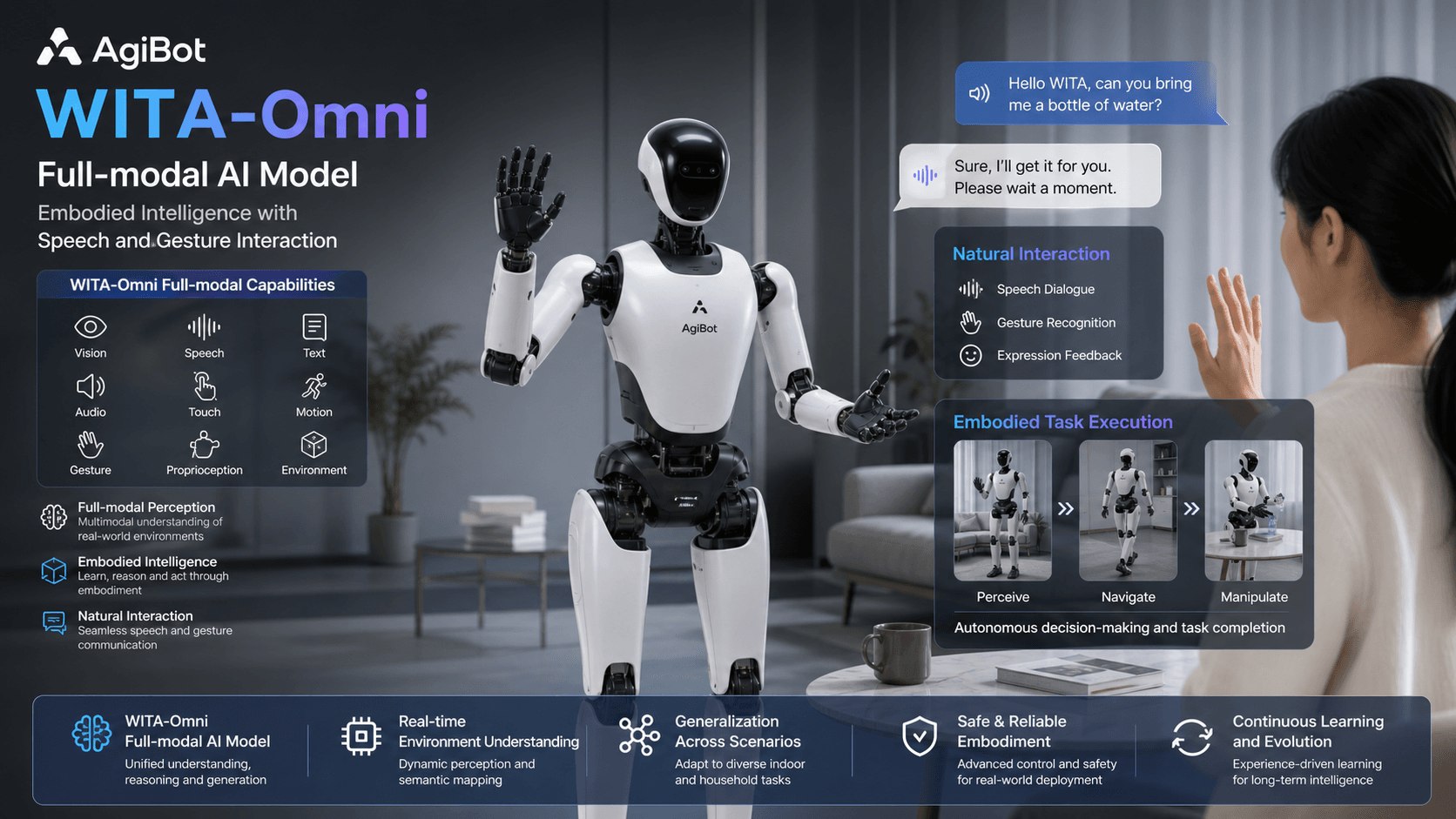
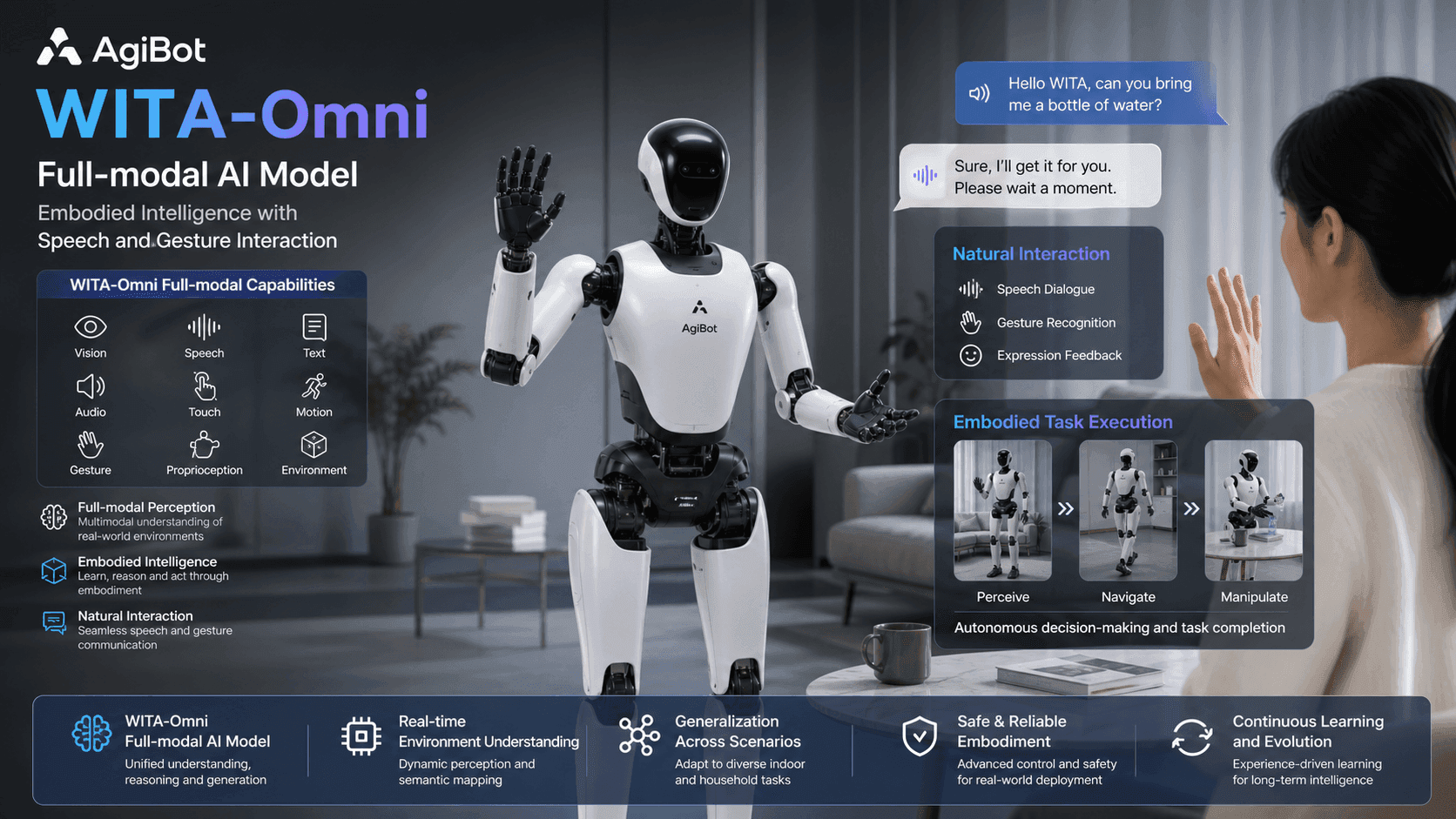
Embodied AI: Systems that interact with physical environments through robotics or simulated worlds may develop more human-like intelligence.
Self-Supervised Learning: Moving beyond pure text prediction to more diverse learning objectives that mirror how humans acquire knowledge.
Implications for AI Development
This perspective has significant implications for how we approach artificial intelligence:
Real-World Applications: Current LLMs may remain limited in domains requiring physical common sense, such as robotics, manufacturing, or complex problem-solving in unstructured environments.
AI Safety: Systems lacking grounded understanding may make dangerous errors when applying statistical patterns to physical situations.
Research Priorities: The field may need to shift focus from scaling parameters to developing new architectures that can learn from diverse, embodied experiences.
Human-AI Collaboration: Recognizing these limitations helps us identify where human oversight remains essential and where AI can genuinely augment human capabilities.
Conclusion
Yann LeCun's comparison between child development and LLM training reveals a fundamental truth about intelligence: it's not just about the quantity of data but about its quality, diversity, and connection to real-world experience. As we continue to advance artificial intelligence, we must look beyond language models to more holistic approaches that capture the richness of human learning.
The most promising path forward may not be simply scaling existing architectures but fundamentally rethinking how AI systems perceive, interact with, and understand the world. Only by addressing these foundational limitations can we hope to create artificial intelligence that truly approaches human-level understanding and adaptability.
Source: Analysis based on Yann LeCun's comments shared via @rohanpaul_ai on X/Twitter, referencing content from the Pioneer Works YouTube channel.