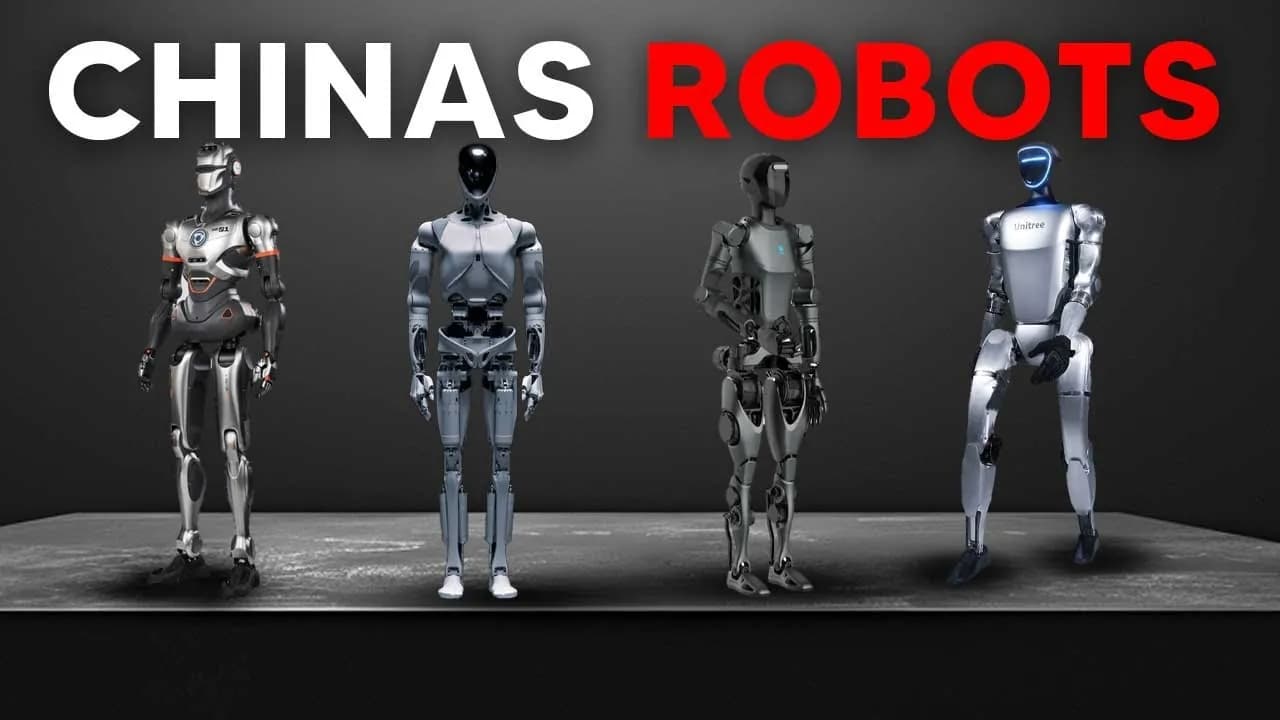
Chinese robotics company Unipath has launched a household robot, according to a social media announcement. The brief post signals another player entering the competitive consumer robotics space, though specific technical details, pricing, and availability were not disclosed in the initial announcement.
What Happened
On social media platform X, user @kimmonismus shared a post stating: "A Chinese company, Unipath has launched a household robot. They are coming, finally." The post included a link, but the source material does not contain further specifications, images, or feature descriptions of the robot itself.
Context: The Consumer Robotics Landscape
The consumer robotics market has seen increased activity globally, with companies developing robots for tasks like cleaning, companionship, security, and home assistance. Chinese companies have been particularly active in this sector, leveraging manufacturing capabilities and AI research to produce cost-competitive products.
Without specific details from Unipath, it's unclear whether their robot focuses on a single function (like vacuuming) or aims to be a more general-purpose domestic assistant. The development follows broader industry trends toward integrating computer vision, natural language processing, and mobility systems into consumer-facing hardware.
The Competitive Field
Several companies are already established in the household robotics space:
- iRobot (Roomba): Dominates the robotic vacuum market
- Ecovacs: Chinese company producing vacuum and window-cleaning robots
- UBTECH: Chinese maker of humanoid and educational robots
- Tesla: Developing the Optimus humanoid robot for general-purpose tasks
- Figure AI: Recently partnered with BMW for humanoid robots in manufacturing
Unipath's entry adds to the growing list of Chinese firms investing in robotics technology for both consumer and industrial applications.
What's Missing
The initial announcement lacks critical information that would allow for proper technical assessment:
- Robot type: Humanoid, wheeled, or specialized form factor
- Primary functions: Cleaning, monitoring, entertainment, or multi-purpose
- AI capabilities: Computer vision, voice interaction, autonomous navigation
- Technical specs: Battery life, sensors, processing power
- Pricing and availability: Target markets and release timeline
Until Unipath releases detailed specifications and demonstration videos, the technical merits and competitive positioning of their household robot remain unclear.
gentic.news Analysis
This announcement fits within a clear pattern of increased Chinese activity in the robotics sector throughout 2025 and early 2026. Following the Figure AI-BMW partnership announcement in January 2026 that we covered extensively, and Tesla's ongoing Optimus development, the robotics space has seen consistent investment and product launches. Chinese companies like Unipath are leveraging the country's strengths in hardware manufacturing and AI software to compete in what many analysts see as the next major computing platform.
What's particularly notable is the timing. With humanoid robotics becoming increasingly viable for industrial applications, consumer-focused companies are testing the waters for domestic adoption. Unipath's move suggests they believe the market is ready for more sophisticated home robots beyond single-function devices like robotic vacuums. However, the success of such ventures depends heavily on price points, reliability, and genuinely useful functionality—areas where many previous consumer robotics companies have struggled.
This development also aligns with China's broader strategic push into AI and automation technologies. As we've reported previously, Chinese tech firms are investing heavily across the AI stack, from chips to models to applications. A functional household robot represents a complex integration challenge requiring advances in mobility, manipulation, perception, and interaction—making it a high-value target for companies seeking to demonstrate technical prowess.
Frequently Asked Questions
What is Unipath?
Unipath is a Chinese company that has launched a household robot. Based on the limited information available, they appear to be a robotics firm entering the consumer market. Their previous products, if any, are not mentioned in the source material.
What can the Unipath household robot do?
The source material does not specify the robot's capabilities. Typical household robots might perform tasks like cleaning, security monitoring, object fetching, or providing companionship through voice interaction. Until Unipath releases detailed specifications, the exact functions remain unknown.
How does this compare to Tesla's Optimus robot?
Without technical details, direct comparison is impossible. Tesla's Optimus is a general-purpose humanoid robot designed for both industrial and eventual consumer use. Unipath's robot might be a simpler, single-purpose device or a more affordable consumer-focused assistant. The key differentiators will likely be capability, price, and target use cases.
When will the Unipath robot be available for purchase?
The announcement does not include availability information. Consumer robotics products typically undergo testing and refinement before mass production, so a commercial release might be months away even after an initial announcement.