Key Takeaways
- A Verizon hospitality leader shared insights on using AI and IoT technologies to tackle phantom inventory—discrepancies between digital stock records and actual physical stock.
- This is a pervasive and costly issue in retail, directly impacting sales and operations.
The Innovation — What the source reports
While the full article content is not directly accessible due to the provided link structure, the title and context from Retail Customer Experience are clear: a leader from Verizon's hospitality division is sharing expertise on a core retail challenge—phantom inventory.
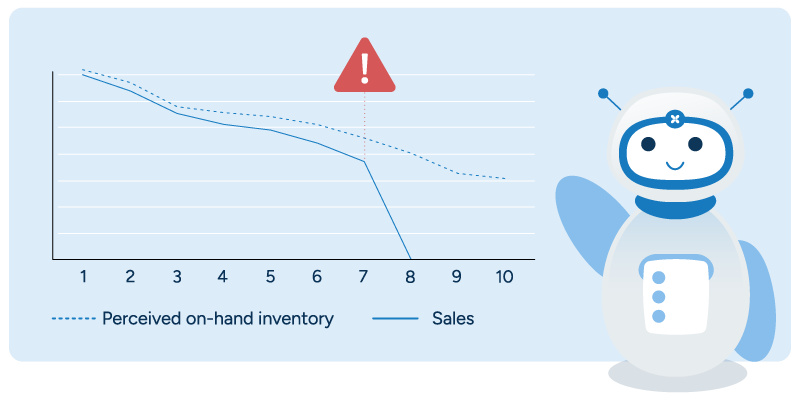
Phantom inventory occurs when a retailer's inventory management system shows an item as being in stock and available for sale, but the physical item is not on the shelf where it should be. This can be due to theft, misplacement, damage, scanning errors, or failure to process returns correctly. The result is a direct hit to sales, customer satisfaction, and operational efficiency, as promised products cannot be fulfilled.
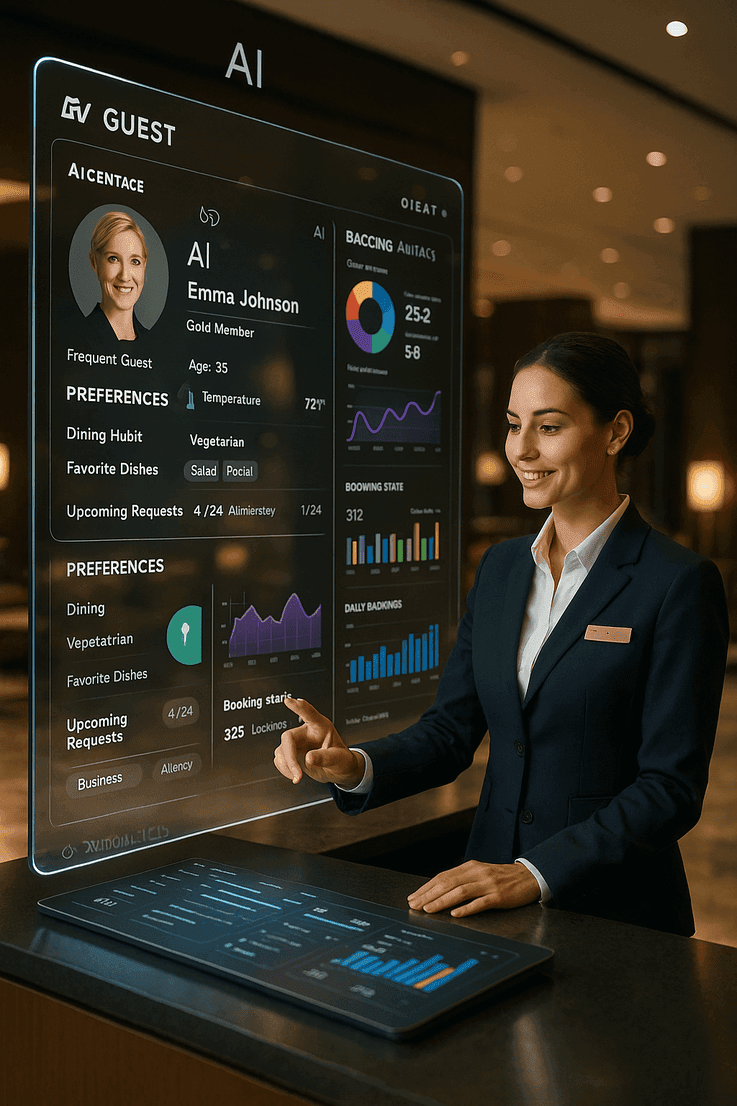
The involvement of a Verizon leader, particularly from its hospitality vertical, is significant. It signals that the proposed solutions likely leverage Verizon's core competencies in network connectivity, Internet of Things (IoT) sensors, and private 5G networks. These technologies form the essential infrastructure for real-time, in-store data collection. When combined with AI and computer vision, this infrastructure can power systems that continuously monitor stock levels, track item movement, and automatically reconcile physical reality with digital records.
Why This Matters for Retail & Luxury
For luxury and high-value retail, the implications of phantom inventory are magnified. The cost of a lost sale on a $5,000 handbag or a $20,000 piece of jewelry is substantial. Furthermore, the customer experience damage is severe; a high-net-worth individual who is promised an exclusive item only to find it unavailable may not return.
Key departments impacted include:
- E-commerce & Omnichannel: Failed BOPIS (Buy Online, Pick Up In-Store) or ship-from-store orders due to phantom stock directly break customer promises.
- Loss Prevention: Distinguishing between systematic misplacement and potential theft becomes clearer with accurate, real-time tracking.
- Store Operations: Staff spend less time on frustrating "wild goose chases" for missing items and more on high-value client service.
- Merchandising & Planning: Accurate inventory data is the foundation for effective demand forecasting and assortment planning.
Business Impact — Quantified if Available, Honest if Not
While the source article may contain specific metrics, industry benchmarks clearly illustrate the scale of the problem. Studies have suggested that out-of-stock items caused by inventory inaccuracy can lead to a 4% loss in sales for retailers. For a luxury conglomerate, this represents hundreds of millions in potential lost revenue annually. Furthermore, reducing inventory shrinkage—of which phantom inventory is a major component—directly improves gross margin.
The business case extends beyond recovery of lost sales. It includes:
- Increased labor productivity from reduced manual stock counts.
- Enhanced capital efficiency by optimizing true inventory levels.
- Superior customer experience through reliable product availability promises.
Implementation Approach — Technical Requirements, Complexity, Effort
Solving phantom inventory is not a simple software update. It requires a layered technological approach:
- Infrastructure Layer (Verizon's domain): Deploying a robust, high-bandwidth, low-latency in-store network. This could be a private 5G or LTE network that reliably connects thousands of sensors and cameras without interfering with public customer Wi-Fi.
- Sensing Layer: Installing RFID tags, smart shelves with weight sensors, and computer vision cameras. For luxury goods, RFID has been a long-considered solution for authentication and tracking, but its adoption for real-time inventory has been hampered by cost and integration challenges.
- AI & Analytics Layer: Implementing software that fuses data from all sensors. Computer vision models can identify when an item is taken from a shelf but not scanned at checkout. Time-series analytics can detect anomalies in stock movement. This layer automatically flags discrepancies for staff review.
The complexity is high, involving significant capital expenditure (CapEx) on hardware and network infrastructure, plus operational expenditure (OpEx) for AI software and systems integration. A pilot in flagship stores is the logical starting point.
Governance & Risk Assessment — Privacy, Bias, Maturity Level
- Customer Privacy: Pervasive in-store tracking via cameras and sensors raises immediate privacy concerns. Clear signage, transparent data policies, and strict governance on data use (e.g., for inventory only, not for unidentified customer behavior analytics) are non-negotiable, especially in the EU under GDPR.
- System Maturity: The component technologies (5G, RFID, AI vision) are mature individually. The innovation lies in their integration into a seamless, real-time inventory reconciliation system. We are past the pure R&D phase and into early, strategic deployment.
- Bias & Accuracy: Computer vision models must be trained on diverse product packaging, shapes, and store environments to avoid misidentification, which could create new forms of "digital" phantom inventory.
gentic.news Analysis
This insight from a Verizon leader is a concrete signal that major telecommunications providers are aggressively moving beyond connectivity to become AI-powered retail solution providers. Verizon is leveraging its network-as-a-service foundation to offer integrated platforms that solve tangible business problems. This follows a broader industry trend where cloud providers (AWS, Google Cloud, Microsoft Azure) and telecom giants are competing to own the infrastructure layer of physical retail AI.
For luxury retail, the conversation has evolved. The high value of goods has long justified RFID for anti-counterfeiting and supply chain visibility. The new imperative is to leverage that same RFID infrastructure—or supplement it with vision AI—for real-time, in-store inventory intelligence. This aligns with the strategic focus of houses like LVMH and Kering on perfecting omnichannel fulfillment and clienteling. A single view of accurate inventory is the bedrock upon which personalized "endless aisle" experiences are built.
The partnership angle is critical. Luxury brands are unlikely to build these complex sensor-network-AI stacks in-house. They will seek partners like Verizon, Cisco, or IBM who can provide the integrated solution. The winning partner will be the one that best addresses the unique constraints of luxury: aesthetics (discreet sensor placement), security (data handling for ultra-high-value assets), and seamless integration with existing legacy CRM and inventory systems.
Solving phantom inventory is not a futuristic concept. It is an operational necessity that is now technologically feasible. The leaders who pilot and scale these solutions will gain a decisive advantage in profitability and customer trust.