Vermont's legislature blocked a bill imposing environmental and zoning rules on AI data centers. The rejection makes Vermont the first U.S. state to explicitly consider—and reject—regulating AI infrastructure at the state level.
Key facts
- Vermont legislature blocked AI data center regulation bill.
- Bill targeted energy, water, and zoning requirements.
- No other U.S. state has attempted similar regulation.
- Google invested $5B+ in Texas data center for Anthropic.
- AI data centers could consume 9% of U.S. electricity by 2030.
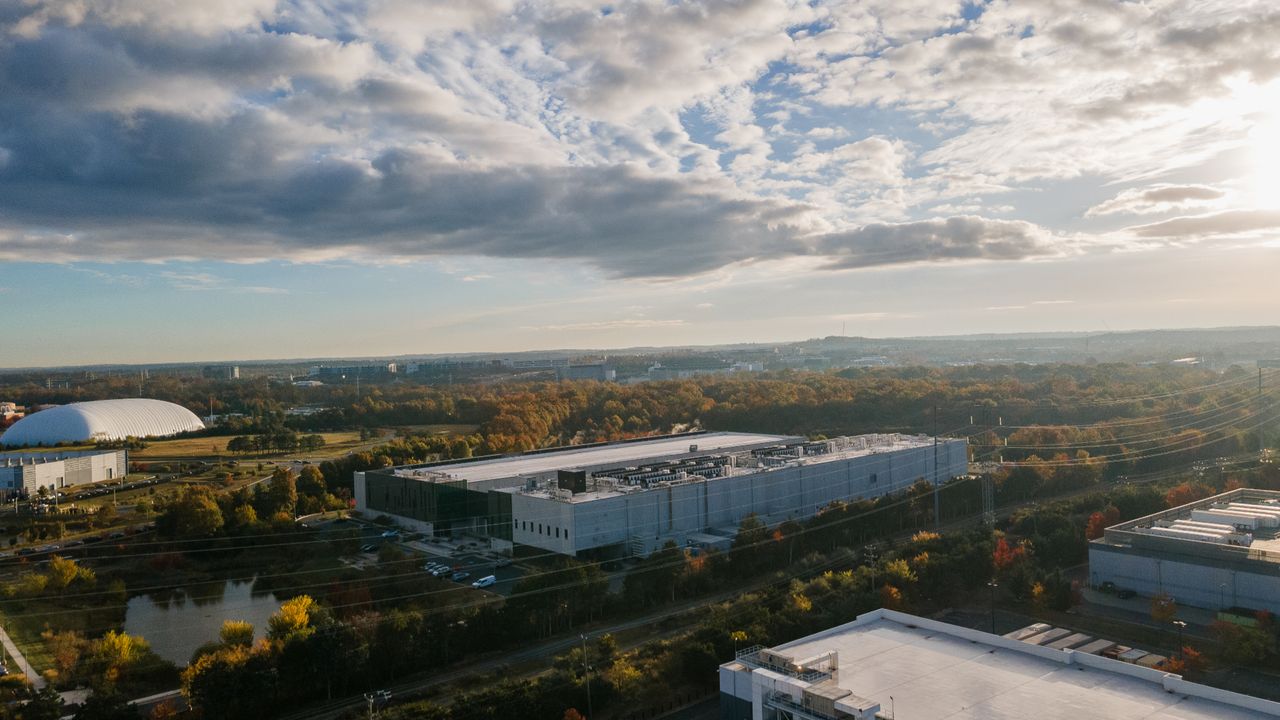
Vermont's legislature blocked a bill that would have imposed environmental and zoning requirements on AI data centers, according to Broadband Breakfast. The bill targeted energy consumption, water usage, and land-use permits for large-scale computing facilities. No other U.S. state has attempted to specifically regulate AI data center construction at this level, making the Vermont vote a potential bellwether for how states will handle the tension between AI buildout and local environmental impact.
The bill's defeat comes as Google—which has invested over $5B in a Texas data center for Anthropic, per prior reporting—and other hyperscalers race to secure power and land for AI training clusters. Vermont's rejection signals that state-level pushback could slow or redirect infrastructure plans, especially in regions with strong environmental constituencies. The bill's failure leaves Vermont without any dedicated framework for AI infrastructure oversight, but it also means no new compliance costs for developers eyeing the state.
Why This Matters Beyond Vermont
Vermont's bill was narrow—it didn't target AI models or data privacy, just physical infrastructure. That makes it a proxy for a broader fight: as AI demand drives data center power consumption to an estimated 9% of U.S. electricity by 2030 (per the EPRI), states will face mounting pressure to balance economic development with grid reliability and environmental concerns. Vermont's rejection suggests that, at least in smaller states, the buildout lobby may still hold sway—but the calculus changes fast as power shortages emerge.
Watch for other states to introduce similar bills in 2026 as data center demand grows. The Vermont outcome provides a template for both sides: opponents can cite the bill's failure as proof that regulation is unnecessary, while proponents can argue the bill was too weak and needs stronger provisions.
What to watch
Watch for similar bills in New York, Oregon, and Virginia in the next 12 months. The key metric: whether any state passes a data center energy-efficiency mandate tied to AI workload reporting, which would set a precedent beyond Vermont's failed attempt.
Source: news.google.com
[Updated 03 Jun via gn_dc_power]
Meanwhile, North Carolina lawmakers are fast-tracking their own data center regulation bill, marking a sharp contrast to Vermont's rejection [per NC Newsline]. The North Carolina proposal, advanced in the state House, would impose new environmental and energy reporting requirements on large-scale computing facilities—directly targeting the same issues Vermont declined to regulate. This move signals that while one state stepped back, another is stepping in, potentially accelerating a patchwork of state-level AI infrastructure rules.