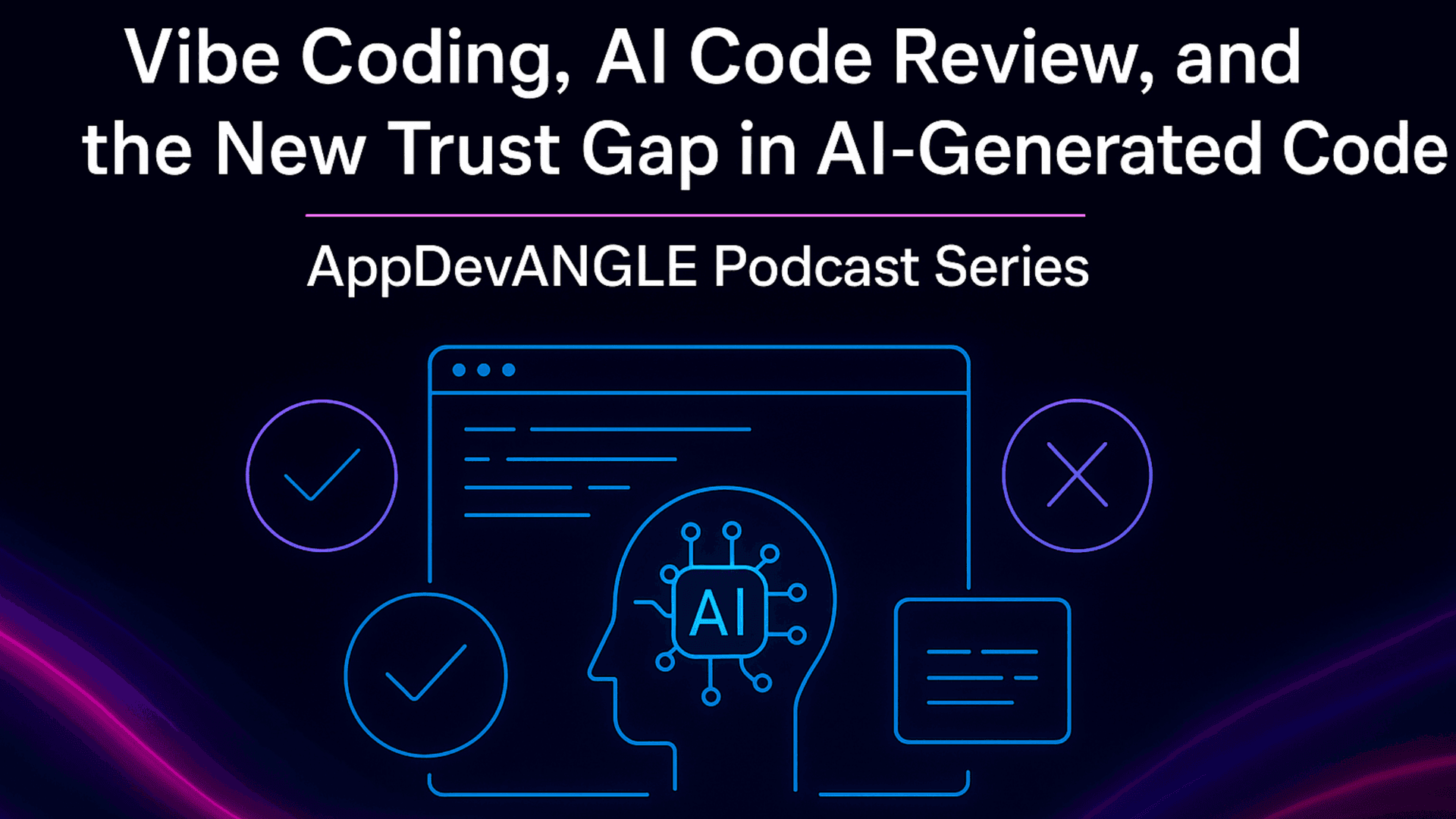
Vibe coding fails because AI-generated code lacks architectural coherence, test coverage, and security validation. According to the source, these tools treat code generation as creative output rather than engineering discipline.
Key facts
- Vibe coding treats code generation as creative output, not engineering.
- AI models have no concept of overall system architecture.
- Lack of test coverage leaves code without a safety net.
- Security flaws inherited from public training data.
- Failure threshold appears at 1,000–5,000 lines of code.
The term "vibe coding" describes a workflow where developers rely on AI tools like GitHub Copilot, Cursor, or Claude to generate entire codebases from natural language prompts. The appeal is obvious: ship fast, iterate on vibe. But as the Medium post argues, this approach collapses when the code must run reliably at scale.
Why the Architecture Breaks
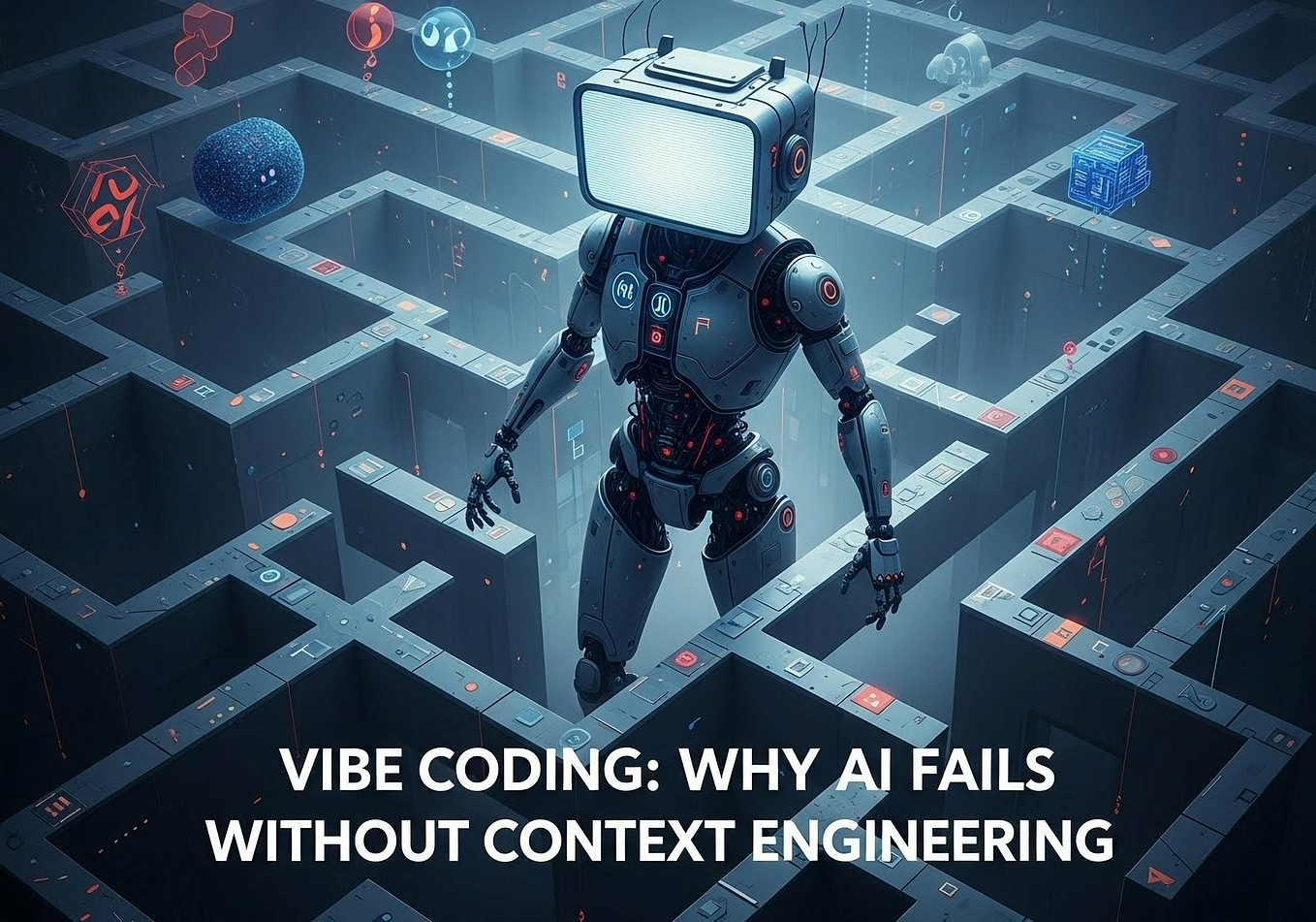
AI models generate code one token at a time, with no understanding of the overall system architecture. They produce syntactically correct functions that may be logically unsound — for example, introducing race conditions in concurrent code, or leaking memory because the model doesn't track resource lifecycle across modules. The source notes that "the model has no concept of the overall system architecture," meaning it cannot reason about trade-offs between coupling, cohesion, or data flow.
Test Coverage and Security Gaps
Vibe coding workflows typically skip test generation. The source states: "The lack of test coverage means the code has no safety net for regressions." Without tests, refactoring becomes impossible — the developer cannot tell if a change broke something. Security validation is similarly absent. AI models are trained on public code, which includes vulnerabilities. A vibe-coded app may inherit SQL injection flaws, hardcoded secrets, or insecure deserialization patterns without the developer knowing.
The Scale Threshold
For toy projects or single-file scripts, vibe coding works. The failure mode appears at roughly 1,000–5,000 lines of code, where interdependencies multiply and the model's lack of architectural reasoning becomes fatal. The source does not provide specific benchmark data, but the observation matches industry reports from early 2026: AI-generated codebases require heavy human refactoring beyond prototype stage.
The unique angle here is not that AI code is bad — it's that the failure is architectural, not syntactic. Traditional code review catches syntax errors and style violations. Vibe coding's failure is invisible to linters: it produces code that looks correct but cannot compose into a maintainable system.
What to watch
Watch for tooling that adds architectural validation layers to AI code generation — startups like Sweep and Cosine are building automated review systems that may address these gaps. Also track whether GitHub Copilot's 2026 Q2 roadmap includes system-level reasoning features.
Source: medium.com
[Updated 29 Jun via medium_agentic]
Claude Code v2.1.91 (released 2026-04-02) now offers a /security-review slash command that invokes a dedicated agent to check source code for security issues [per devto_claudecode]. This directly addresses the security validation gap identified in vibe coding workflows, though the tool still lacks architectural reasoning capabilities.