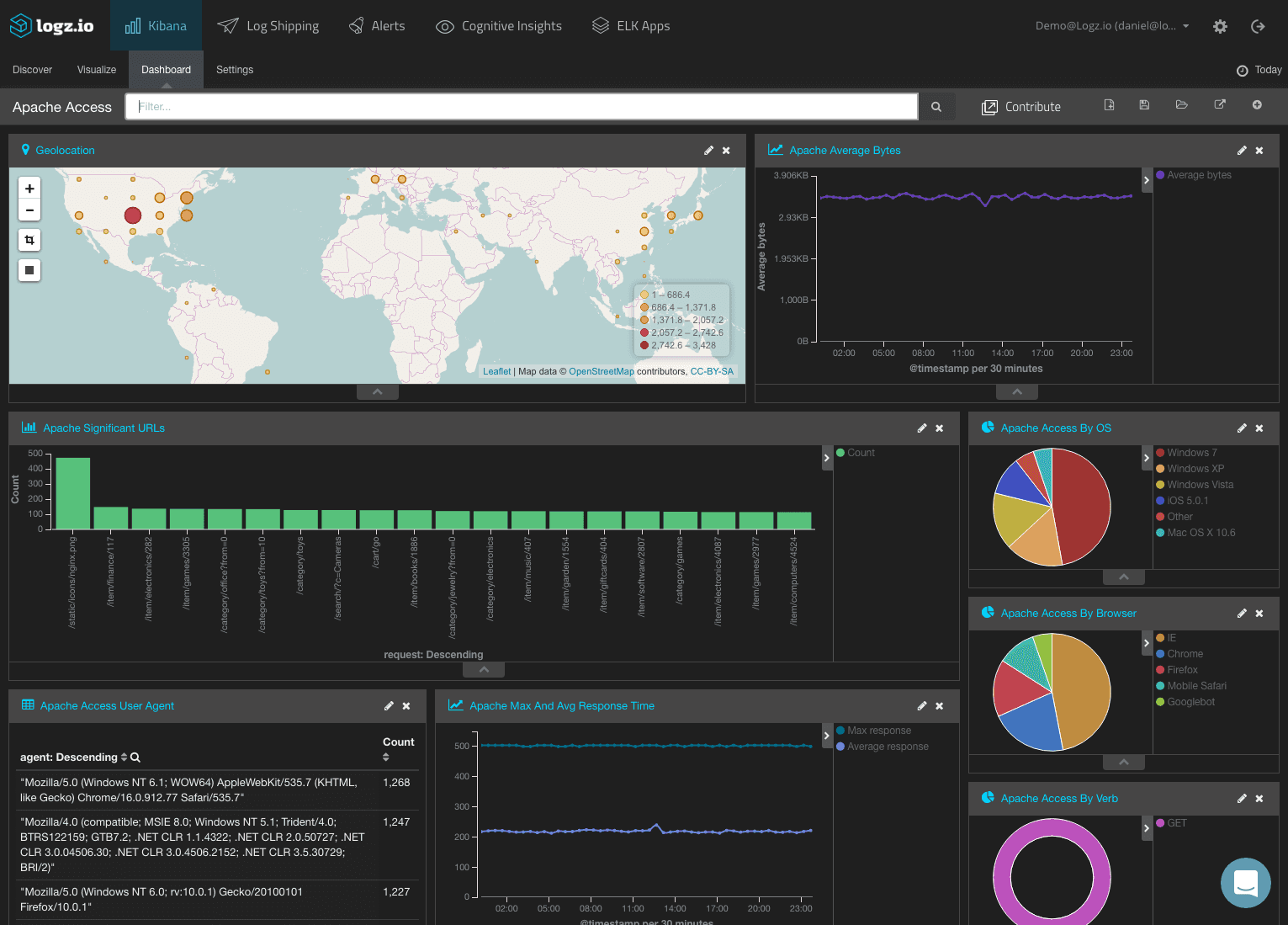
A developer known as aiwithjainam has launched and open-sourced World Monitor, a real-time global intelligence dashboard. The tool is now available for free public use, providing a centralized platform for monitoring live global data streams.
What Happened
Based on the announcement, aiwithjainam has built and released World Monitor. The core proposition is a dashboard that aggregates and visualizes real-time intelligence data from global sources. The developer has chosen to release the entire project as open-source software, making the codebase freely available for anyone to use, modify, or deploy.
Context
The release taps into a growing trend of developers and researchers building open-source intelligence (OSINT) and situational awareness tools. These platforms typically pull from publicly available data APIs—such as news feeds, satellite imagery, maritime tracking (AIS), flight radar data, social media sentiment analysis, or public sensor networks—to create a unified operational picture.
By open-sourcing the project, the developer encourages community contribution, transparency in methodology, and decentralized deployment, allowing others to run their own instances or tailor the dashboard to specific monitoring needs.
What This Means in Practice
For engineers and researchers, an open-source dashboard like World Monitor provides a potential starting point or reference architecture for building custom monitoring solutions. Instead of building data ingestion and visualization pipelines from scratch, developers can fork the repository and integrate their own data sources or analytical models.
gentic.news Analysis
The launch of World Monitor is a direct continuation of the open-source AI and data visualization movement that has accelerated since 2024. This follows a pattern we've tracked where individual developers and small teams release sophisticated, niche tools that were previously the domain of well-funded startups or government contractors. For instance, our coverage of the Langfuse open-source LLM observability platform in late 2024 highlighted a similar ethos: democratizing access to complex monitoring stacks.
This release also aligns with the broader industry trend of AI-powered data fusion. The real "intelligence" in such dashboards often comes from the backend models that clean, correlate, and prioritize disparate data streams. If World Monitor incorporates any machine learning for anomaly detection or trend prediction, its open-source nature would allow the community to audit and improve those algorithms—a significant advantage over closed, proprietary systems.
However, the announcement lacks critical technical details that would allow for a proper evaluation. The viability of such a tool depends entirely on its data sources, update latency, scalability, and the robustness of its data processing pipeline. Without published documentation on its architecture or a live demo instance, it remains a promising concept rather than a validated tool. The community's adoption and contribution will be the true test of its utility.
Frequently Asked Questions
What is World Monitor?
World Monitor is an open-source software project that provides a dashboard interface for visualizing real-time global intelligence data. It aggregates various live data feeds to present a unified view of global events and metrics.
Is World Monitor truly free to use?
Yes. According to the announcement, the developer has open-sourced the entire project, meaning the code is freely available under an unspecified license. Users can likely run their own instance without cost, aside from potential expenses for hosting or premium data APIs.
What kind of data does it track?
The specific data sources are not detailed in the brief announcement. Typically, a "global intelligence dashboard" might integrate news headlines, weather data, economic indicators, ship and plane tracking, social media trends, or network security threat feeds. The actual capabilities would be defined in the project's documentation.
How does this compare to commercial alternatives?
Commercial alternatives like Recorded Future, Flashpoint, or Palantir Gotham offer similar real-time intelligence dashboards but are closed-source, expensive, and tailored for enterprise or government clients. World Monitor's open-source model offers transparency and customizability but likely lacks the curated data partnerships, advanced analytics, and customer support of its commercial counterparts.