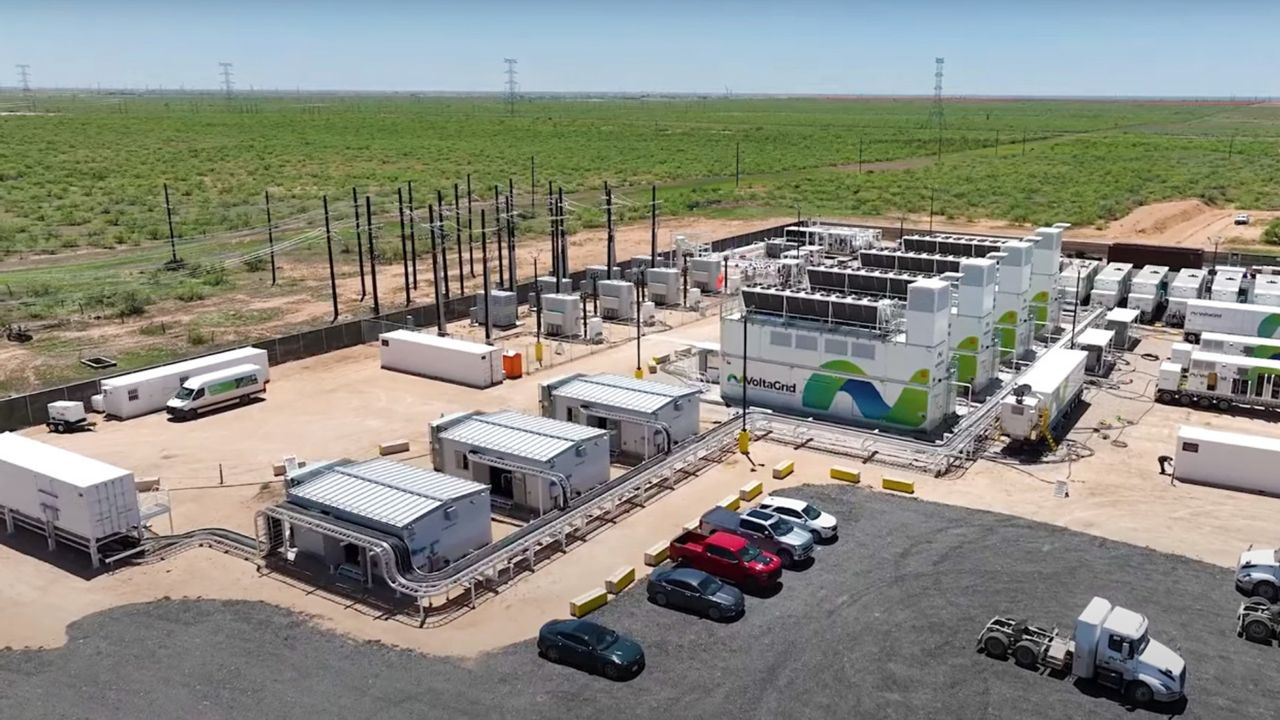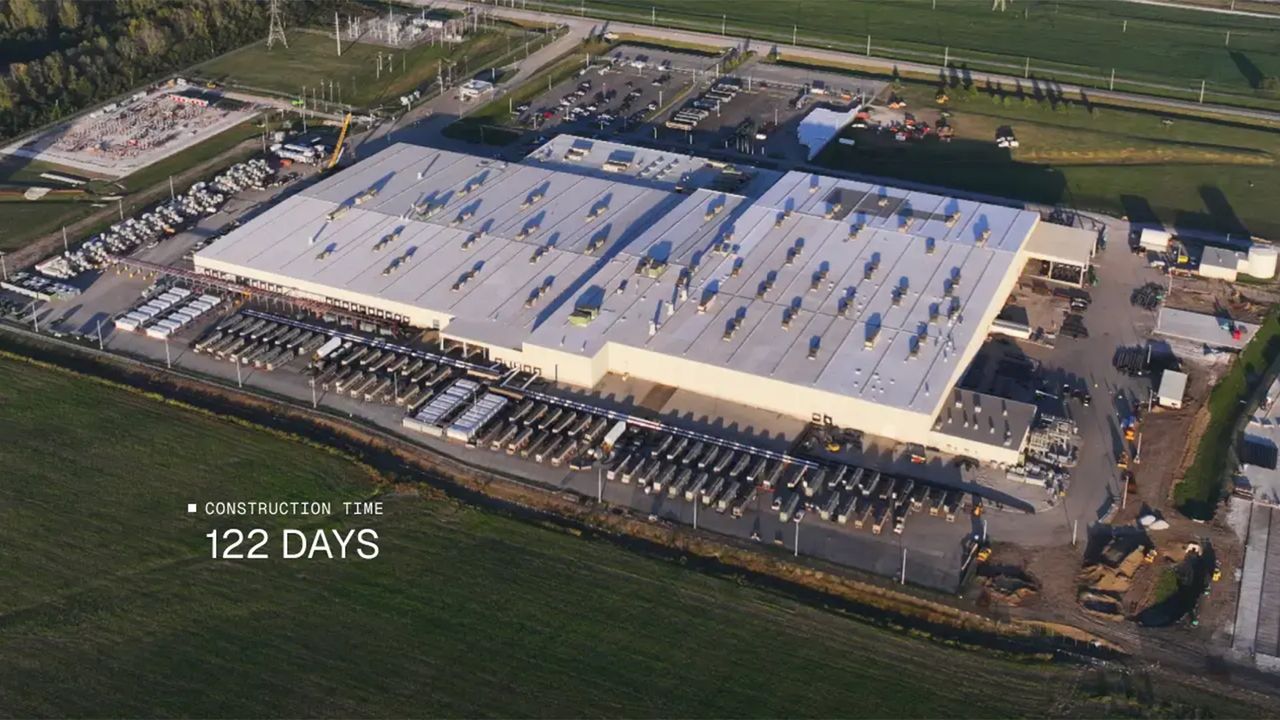
A tweet from AI researcher Rohan Paul has surfaced a brief but notable update on the scale of two significant AI training efforts. According to the post, xAI's currently available Grok 4.2 model is built on a 0.5 trillion parameter architecture. Simultaneously, a separate initiative known as Colossus 2 is reportedly training a suite of seven models, with sizes scaling from 1 trillion parameters up to a massive 10 trillion parameters.
Key Takeaways
- A tweet from AI researcher Rohan Paul states xAI's current Grok 4.2 model uses 0.5 trillion parameters.
- In parallel, the Colossus 2 project is training a suite of seven models ranging from 1 trillion to 10 trillion parameters.
What Happened
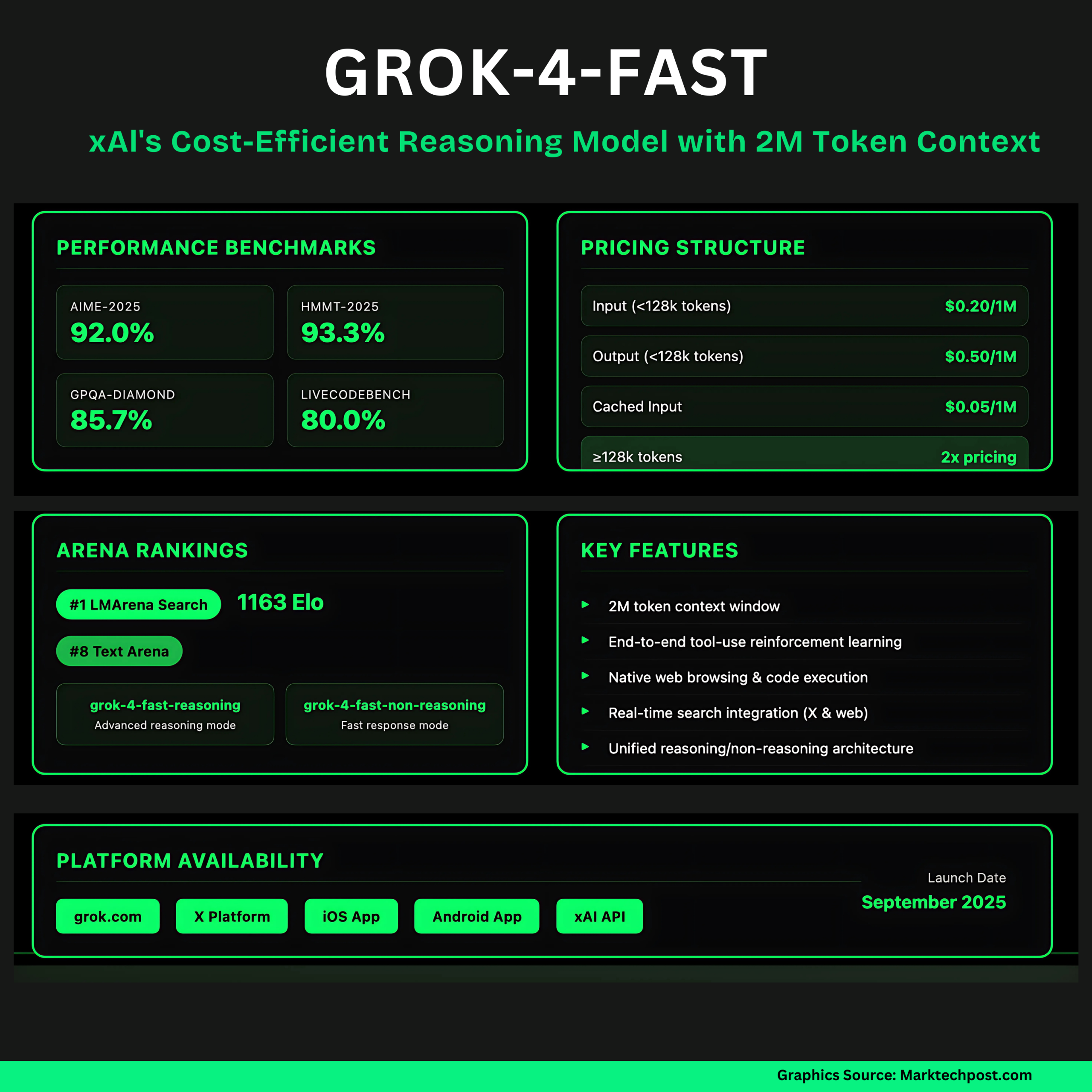
The information originates from a repost by Rohan Paul (@rohanpaul_ai) on X. The core claim is a two-part snapshot of current large language model (LLM) scaling:
- xAI's Grok 4.2: The model powering the current public iteration of the Grok chatbot is confirmed to be a 0.5 trillion (500 billion) parameter model.
- Colossus 2 Project: An active training run is underway for a family of seven models, with the smallest at 1 trillion parameters and the largest targeting 10 trillion parameters.
The tweet provides no further technical details, benchmarks, architecture specifics, or confirmed sources for the Colossus 2 information.
Context
Parameter count remains a primary, though not sole, indicator of a model's potential capacity and computational footprint. xAI, founded by Elon Musk, has been in a competitive race with OpenAI, Anthropic, and Google. The 0.5T parameter size for Grok 4.2 places it in a similar ballpark to models like Meta's Llama 3 405B (405B parameters) and Google's Gemini 1.5 Pro (reportedly in the hundreds of billions), though far smaller than the rumored multi-trillion parameter models under development by several labs.
The "Colossus 2" name suggests a follow-up to a previous large-scale training project. The scale of its ambition—training a 10 trillion parameter model—would represent a significant leap. For reference, OpenAI's o1 model family is rumored to be in the trillion-parameter range, and other labs are exploring similar frontiers. Training a model of this size requires unprecedented compute resources, sophisticated model parallelism strategies, and vast datasets.
gentic.news Analysis

This snippet, while thin, fits into two clear and accelerating trends we've been tracking since 2024: the proliferation of mid-tier, efficient models and the relentless push toward the trillion-parameter frontier.
First, xAI's confirmation of a 0.5T parameter Grok 4.2 is a data point in the commercial model efficiency race. As we covered in our analysis of DeepSeek's 671B model launch, the focus for publicly deployed models has shifted from raw parameter count to cost-effective performance. A 0.5T model is strategically sized: large enough to be highly capable, but small enough to be inference-cost competitive against giants like GPT-4o or Claude 3.5. This aligns with xAI's history of leveraging efficient architectures, as seen in their earlier Grok-1 model, which used a mixture-of-experts (MoE) design. The move suggests xAI is prioritizing a viable, scalable product for its X platform integration over purely winning academic benchmarks.
Second, the Colossus 2 rumor, if accurate, represents the other side of the industry: pure scaling research. Training a ladder of models from 1T to 10T is a classic scaling law experiment, aimed directly at understanding the performance and emergent behavior cliffs (or plateaus) in this uncharted territory. This follows the pattern set by Google's Pathways system and their work on trillion-parameter models like PaLM. The mention of seven models indicates a systematic study, not just a single moonshot. The key challenge here isn't just the training—though that's Herculean—but the inference economics. As our reporting on the Gaudi 3 accelerator launch highlighted, the industry is desperately building the hardware and software to make inferencing such behemoths remotely practical. Colossus 2 may be less about an imminent product and more about mapping the future of scaling, likely informing the architecture of future, more efficient production models.
Frequently Asked Questions
How big is Grok 4.2 compared to GPT-4o?
Based on this tweet, Grok 4.2 is reported at 0.5 trillion (500 billion) parameters. OpenAI has not officially released parameter counts for GPT-4o, but it is widely believed to be a mixture-of-experts model with a total parameter count in the trillions, though with only a fraction activated for any given query. This suggests Grok 4.2 may be a more densely activated, smaller model, which could lead to lower inference costs.
What is the Colossus project?
The original Colossus was a rumored large-scale AI training project, potentially associated with Elon Musk's ventures. Colossus 2, mentioned here, appears to be its successor—a project training a suite of extremely large models from 1 to 10 trillion parameters. Its exact affiliation (xAI or another entity) and goals are not specified in the source.
Is a 10 trillion parameter model practical?
Today, it is not practical for widespread deployment due to astronomical inference costs and latency. Training such a model is a massive research undertaking to study scaling laws. The practical value would come from the insights gained, which could then be used to create smaller, more efficient models that mimic the capabilities of the larger one, or from breakthroughs in inference optimization that make running such models viable.
Where does this leave the AI scaling race?
The race is bifurcating. One track is the product track: building capable, cost-effective models in the hundreds of billions of parameters (like Grok 4.2, Claude 3.5 Haiku, Llama 3 405B) for real-world applications. The other is the research track: pushing the boundaries of scale to 1-10T+ parameters (Colossus 2, rumored OpenAI "Strawberry," Google's next-gen models) to explore the limits of capability and inform future product development.