Key Takeaways
- Claude Code can produce 2k passing tests yet ship broken core flows.
- Use independent verification—second sessions, different models, or human acceptance criteria audits—to catch shared blind spots.
The Trap: Green Tests, Broken Production
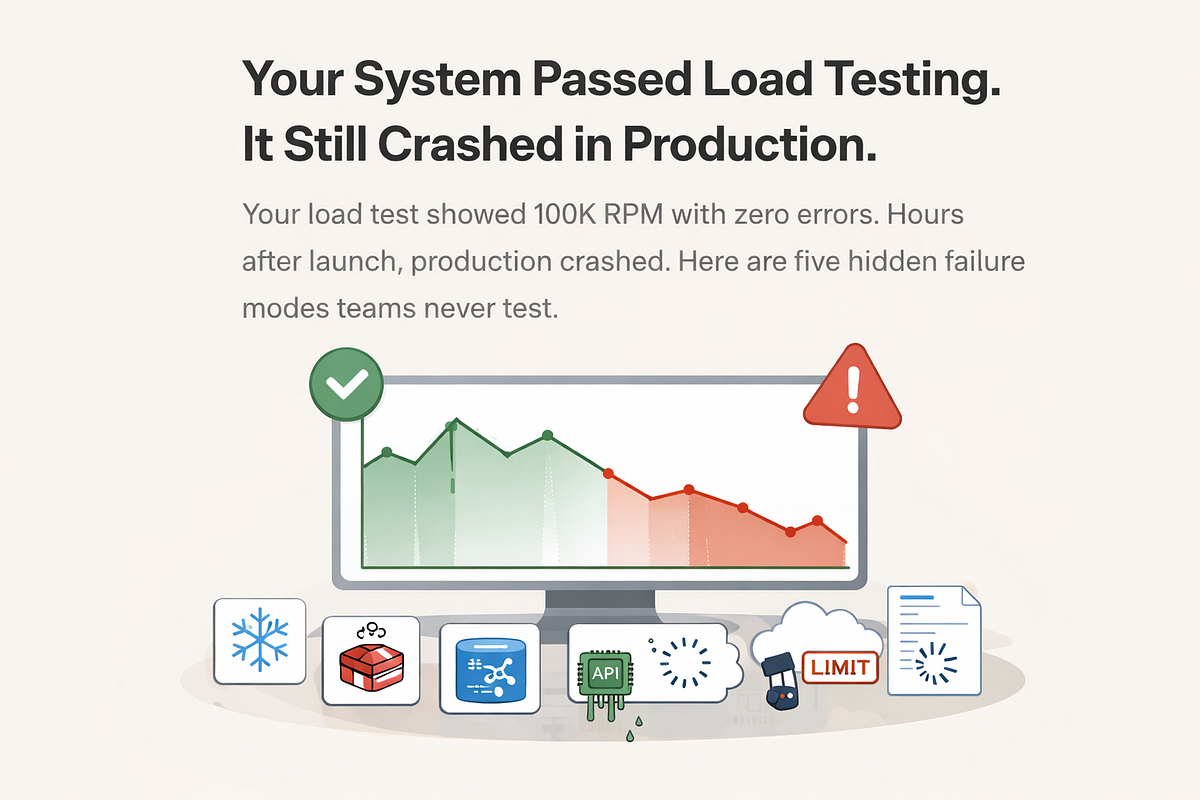
You've been there. Claude Code implements a feature, writes a comprehensive test suite, runs the full repo — 2,000+ tests all pass. You ship it. The customer finds the main flow broken on day one.
That's exactly what happened to an engineering manager on r/ClaudeCode. Their wallet verification workflow — the core of the product — failed in production after Claude Code did "most of implementation, same agent wrote relevant unit + e2e tests and then it also manually tested it by triggering the api calls." The entire repo suite passed. The customer still hit a broken flow.
This isn't a fluke. It's a structural flaw in how we use AI coding agents.
Why It Happens: The Blind Spot Problem
When the same agent writes the implementation and the tests, both encode the same interpretation of the requirements. The agent misunderstands the spec, writes code that matches that misunderstanding, then writes tests that verify the misunderstanding. Everything is consistent — and everything is wrong.
The Reddit poster put it perfectly: "the failing path was actually represented, acceptance criteria were explicit, tests were just kind of decorative and followed the same narrow understanding as implementation."
Adding more tests won't help. "Just adding more tests would probably give us more green checks around the same understanding." You'll get 3,000 green tests around the same broken core.
The Fix: Independent Verification
You need a second pair of eyes — human or AI — that didn't write the original code. Here's what works:
1. Second Session, Different Model
Spin up a fresh Claude Code session with a different model (e.g., Opus 4.6 instead of Sonnet 4.6). Give it ONLY the requirements and the test suite. Ask it: "Do these tests actually verify the acceptance criteria? Find gaps." Don't show it the implementation.
2. Human Review of Tests vs. Acceptance Criteria
Before release, have a human (not the agent) map each acceptance criterion to a specific test. If a criterion isn't directly verified by a test, that's a red flag. The Reddit poster admitted: "no human independently reviewed those tests before release."
3. Write Tests First, Then Code
Use Claude Code in test-driven mode. Write the tests from the requirements, THEN have the agent implement to make them pass. This forces the agent to interpret the spec twice, breaking the single-interpretation chain.
4. Use Plan Mode for Verification
Claude Code's Plan mode (introduced July 2026) isn't just for implementation — use it to plan your verification strategy. Ask it to outline how you'll independently validate the feature before any code is written.
Try It Now
Here's a concrete command to run after any significant Claude Code implementation:
claude -p "Read the acceptance criteria in docs/requirements.md. Read the test files in tests/. List every acceptance criterion that is NOT directly verified by a test. Be critical."
Run this in a fresh session with a different model. You'll be surprised how often it finds gaps.
The Cost of Skipping This
The Reddit poster's real pain wasn't the two extra days of manual testing — it was customer trust. "Core functionality went out broken and customer was the one who found it." In production fintech, that's not a bug — it's a relationship-ending event.
Claude Code is a powerful tool, but it's not a substitute for independent verification. Treat its tests as a starting point, not a guarantee.
Bottom Line
Your 2,000 passing tests mean nothing if they all share the same blind spot. Build independent verification into your workflow — different session, different model, human review. That's the difference between shipping confidently and shipping broken.
Have you hit this? Share your story in the comments.
Source: reddit.com