Heatmap News counted over 530 local U.S. laws targeting data centers, a figure that reframes AI infrastructure as a permitting problem. The tally spans moratoriums, noise rules, water limits, and zoning changes across dozens of states.
Key facts
- 530+ local U.S. laws target data centers, per Heatmap
- Measures include moratoriums, noise, water, zoning rules
- Google posted first negative FCF since 2004 IPO in July 2026
- Crusoe, Aalo Atomics partnered on nuclear AI data center July 30
- Heatmap did not disclose full geographic breakdown
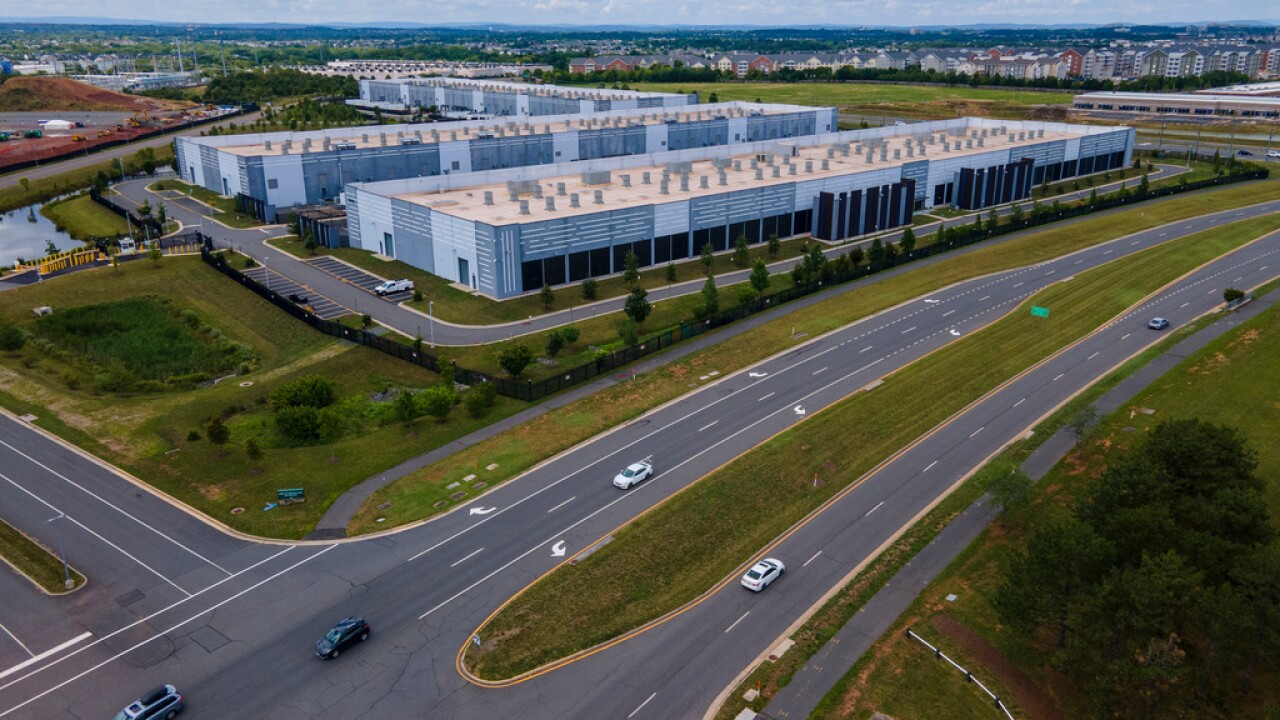
Heatmap News has tallied more than 530 local laws across the United States that seek to ban or restrict data center construction, according to an exclusive report Heatmap News. The measures span moratoriums, noise ordinances, water-use limits, and zoning changes, signaling that the AI infrastructure boom has collided with municipal permitting processes.
Key Takeaways
- Heatmap counted 530+ local U.S.
- laws restricting data centers.
- Municipal permitting, not capital, may now be the binding constraint on AI infrastructure buildout.
What the 530 figure means
The number is striking because it converts the AI buildout from a purely financial story into a land-use story. Hyperscalers including Google Cloud and Microsoft have committed tens of billions to new capacity, but local governments control the siting decisions. Heatmap's count suggests the friction is not isolated to a few high-profile cases like Northern Virginia's Prince William County, but is distributed across the country.
The report does not break down the 530 measures by state or by type, and Heatmap did not disclose the full methodology or list of jurisdictions. The absence of that granularity matters: a noise ordinance in a rural county carries different weight than a moratorium in a major data center hub. Still, the aggregate number is the largest public tally of local resistance to date.
Why this is a structural constraint
The timing compounds the problem. Google reported its first negative free cash flow since its 2004 IPO in July 2026, driven by AI capital expenditure, as previously reported. Microsoft and Amazon face similar pressure. If local governments slow permitting, hyperscalers cannot simply spend their way out — the constraint becomes physical.
The trend also interacts with the nuclear push. Crusoe and Aalo Atomics announced a nuclear AI data center partnership on July 30, 2026, per our coverage. Nuclear siting faces its own federal and local review layers, meaning the 530 figure likely understates total regulatory friction for new capacity.
Heatmap's report is a snapshot, not a forecast. But it reframes the AI infrastructure race: the binding constraint may not be chips or capital, but the willingness of local communities to host the facilities.
What to watch
Watch for state-level preemption laws in 2027 legislative sessions — Virginia, Ohio, and Texas have debated overriding local moratoriums. If preemption passes in a major hub, the 530 figure becomes less binding; if it fails, expect hyperscalers to shift capacity to states with friendlier permitting, which would show up in Q1 2027 data center construction starts.
Source: news.google.com