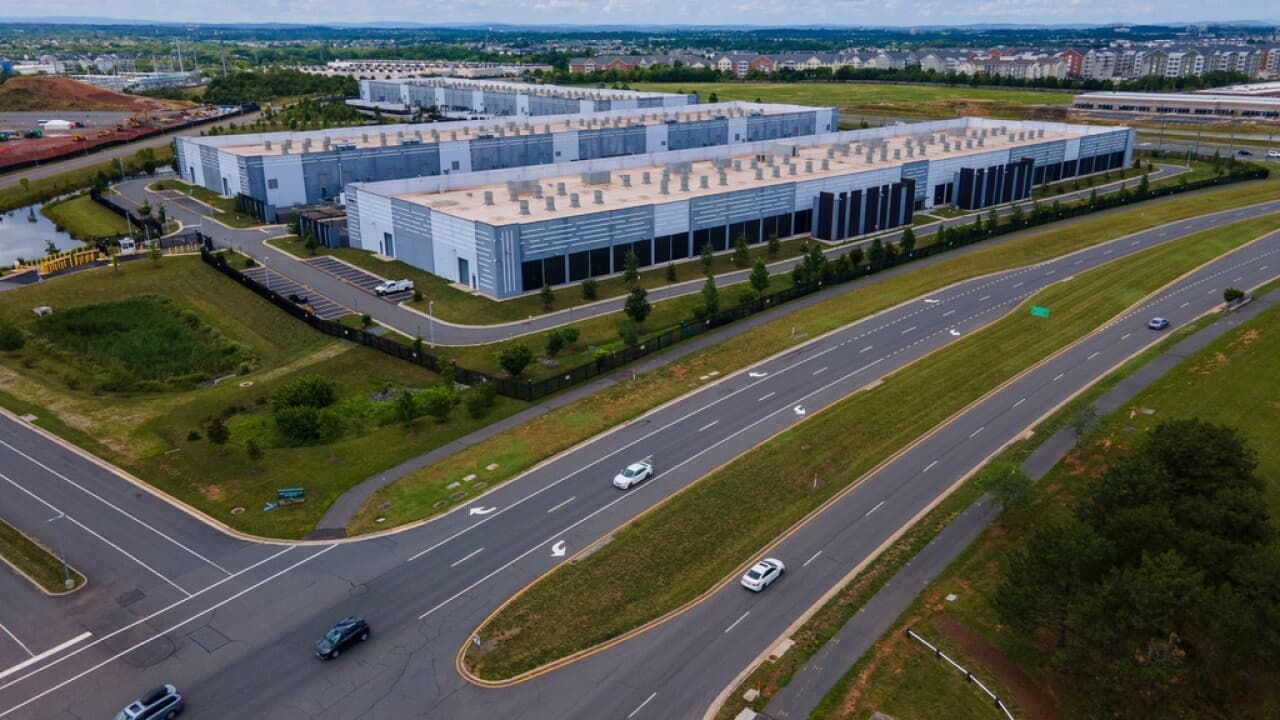
New York Governor Kathy Hochul signed an executive order imposing a one-year moratorium on permits for new data centers exceeding 50 megawatts of power demand. The move makes New York the first U.S. state to impose such a ban on AI data centers per CNBC.
Key facts
- New York pauses permits for data centers over 50 MW for one year.
- Governor Hochul signed executive order in July 2026.
- First U.S. state to impose a ban on AI data centers.
- GEIS will study grid costs, water use, and community impacts.
- Existing projects and those under 50 MW are exempt.
The executive order, signed July 2026, halts the issuance of permits for new data center projects that would draw more than 50 MW of electrical power. The moratorium lasts one year, during which state agencies — including the Department of Environmental Conservation and the New York State Energy Research and Development Authority — must produce a Generic Environmental Impact Statement (GEIS) evaluating grid capacity, water consumption, and community impacts according to the AP.
The pause does not affect data centers already under construction or those below the 50 MW threshold. Projects that have already secured permits are also exempt. The GEIS will establish "consistent standards" for future developments, the governor's office said [per Tom's Hardware].
Why this matters more than the press release suggests
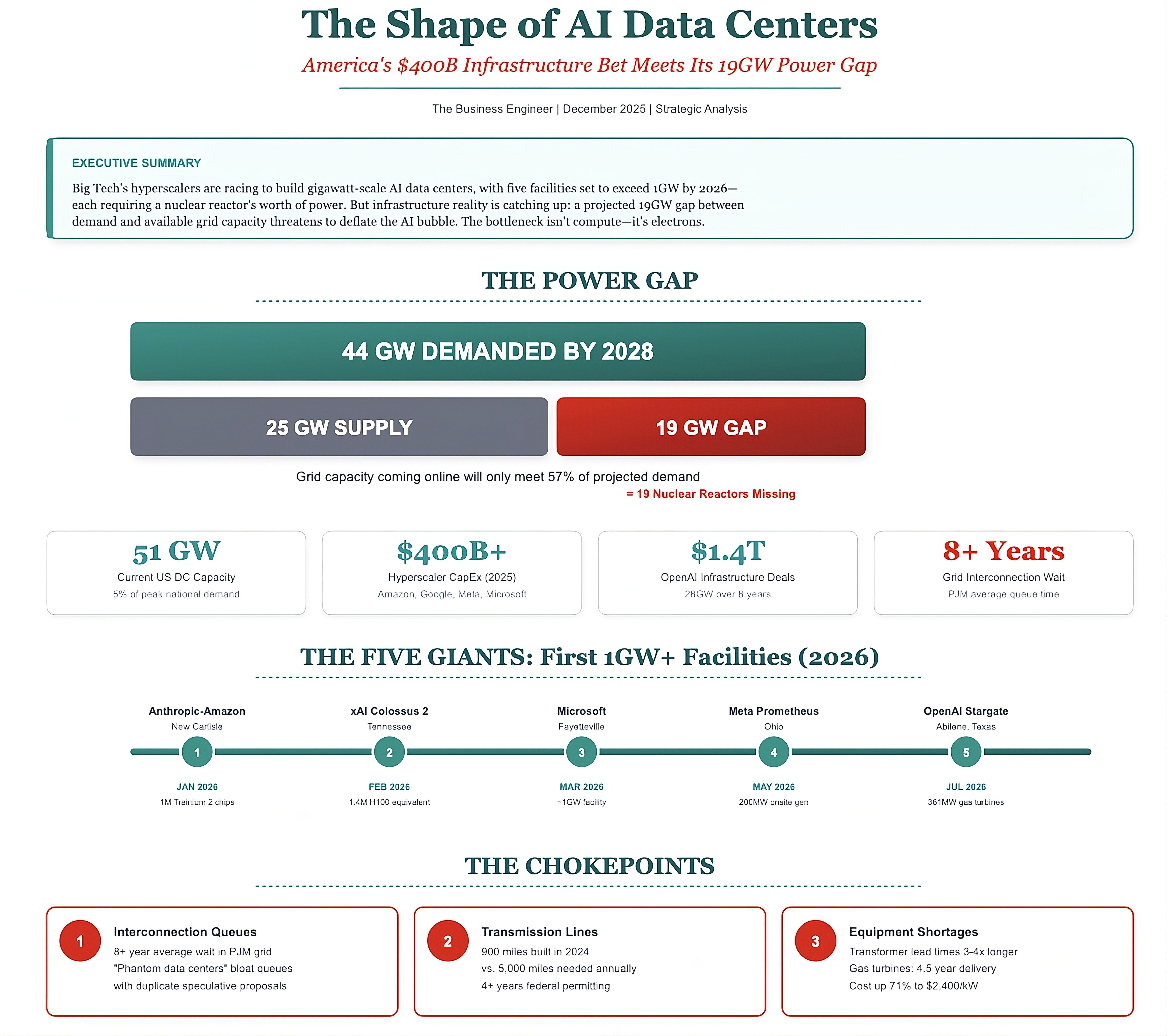
New York's move is a structural warning for the entire AI infrastructure buildout. Hyperscalers like Google, Microsoft, and Amazon have been racing to secure gigawatt-scale sites across the U.S. — Meta recently announced a 5 GW expansion in Louisiana [as previously reported]. A 50 MW threshold is low: a single large GPU cluster for training frontier models can easily exceed that. Google alone booked Intel to package 3 million TPUs by 2028 [per prior gentic reporting], each requiring substantial power.
The order signals that state-level environmental review is becoming a binding constraint on AI compute growth, not just a local zoning issue. New York's GEIS process could take longer than the one-year moratorium, effectively extending the pause. Other states — particularly those in the Northeast with constrained grids and active environmental lobbies — are likely watching closely.
What the order does and doesn't cover
The moratorium applies to permits for new construction and significant modifications. It does not cover upgrades to existing facilities that stay under 50 MW. The GEIS will examine:
- Grid interconnection costs and capacity
- Water usage for cooling
- Noise and land-use impacts on host communities
- Potential for renewable energy integration
New York has seen a surge in data center proposals, particularly in upstate regions where cheap hydropower from Niagara Falls has attracted projects. The state's grid operator, NYISO, has warned that data center growth could strain capacity in certain zones.
What to watch
The GEIS process timeline will determine the real length of the moratorium. If the document takes 18 months to complete, the effective pause could extend into 2028. Watch for other states — California, Oregon, Virginia — to introduce similar legislation. Virginia already has data center siting bills in committee. Also track whether hyperscalers shift planned New York projects to neighboring states like Pennsylvania or Ohio, which have fewer environmental review requirements.
Source: news.google.com
Key Takeaways
- New York pauses permits for data centers over 50 MW for one year — first U.S.
- state ban on AI data centers.
- GEIS will set standards for grid, water, and community impacts.
[Updated 15 Jul via tomshardware]
Beyond the moratorium, New York will also pursue repealing tax exemptions for data centers, a move that could further deter hyperscaler investment in the state [per Tom's Hardware]. This dual action — permit pause plus tax incentive rollback — signals a more aggressive regulatory stance than initially reported.