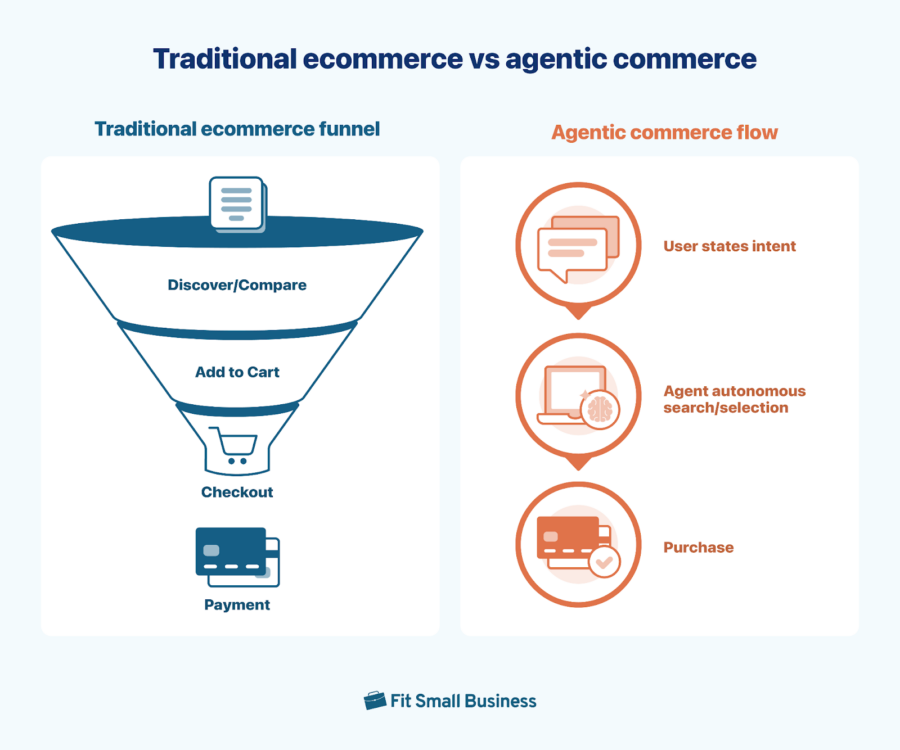
A provocative hypothesis is gaining traction among retail leaders: that agentic AI—systems capable of planning and executing multi-step tasks autonomously—might be the catalyst the industry needs to rediscover its creative soul, not just optimize its operations.
This perspective comes from Karlyn Mattson, an award-winning retail C-suite executive with decades of experience at Macy's, Target, and Amazon, and founder of The Leadership Advisors. In an interview with the Exceptional Women Alliance, Mattson framed agentic AI not as another efficiency tool, but as a potential strategic reset for an industry she believes has "quietly lost its creative and strategic edge."
The Core Argument: Beyond Automation to Liberation
Mattson's central thesis challenges the prevailing narrative around AI in retail. While most discussions focus on cost reduction, personalization, or supply chain optimization, she posits that the real, transformative opportunity lies in freeing human capital.
"The real promise of agentic AI isn't just automation. It's the chance to restore the human side of an industry that has quietly lost its creative and strategic edge."
She observes a powerful, seemingly contradictory trend: the simultaneous rise of rapid AI acceleration and a strong consumer desire for human connection, artisanal craftsmanship, and analog experiences. Rather than being at odds, Mattson believes these forces are deeply connected. Agentic AI, by handling complex operational and analytical workflows, could liberate the very human talent needed to design, curate, and build the authentic, creative experiences consumers are craving.
The Industry Context: A Convergence of Forces
This interview is part of a broader industry conversation, as indicated by the cluster of related news coverage. Key players are actively exploring this space:
- Best Buy is positioning itself at the forefront of agentic AI discovery.
- RVLV (Revolve Group) is reportedly incorporating agentic AI into its next omnichannel playbook.
- Zalando is preparing its infrastructure for an "AI retail world."
- Consulting firms like Bain & Company are advising on the new architectural demands of agentic AI, indicating a move beyond theoretical discussion to practical implementation.
This suggests a shift from asking if agentic AI will be used to figuring out how to deploy it effectively and responsibly.
The Strategic Imperative: Reclaiming Time for What Matters
For luxury and high-end retail, Mattson's argument carries particular weight. The business model is fundamentally built on creativity, storytelling, exclusivity, and deep client relationships—all intensely human endeavors. Yet leaders in these houses are often bogged down by the immense operational complexity of global supply chains, inventory management, digital analytics, and compliance.
Agentic AI systems, theoretically, could autonomously manage swathes of this complexity. Imagine an AI agent that doesn't just forecast demand but autonomously adjusts purchase orders across continents based on real-time sales data, weather patterns, and social sentiment. Another agent could continuously monitor compliance regulations across 50 markets and update internal protocols. A third could manage the end-to-end process of a personalized client outreach campaign, from data analysis to copy generation to scheduling.
The outcome, in Mattson's view, isn't just a leaner operation. It's a leadership team and creative directorate that finally has the cognitive space and time to focus on product innovation, brand narrative, and experiential retail—the very things that define luxury in the first place.
The Implementation Challenge: A New Architecture
The Bain & Company commentary highlights a critical caveat: agentic AI demands a new architectural approach. This isn't about plugging in another SaaS tool. Effective agentic systems require:
- Robust Orchestration: The ability to manage multiple AI agents, their tasks, and their handoffs.
- Enterprise Integration: Deep, secure connections to core systems like ERP, CRM, PIM, and e-commerce platforms.
- Governance & Safety: Built-in safeguards for hallucination, error correction, and audit trails, especially critical when dealing with financial decisions or client data.
- Human-in-the-Loop Design: Clear protocols for when and how humans supervise, approve, or intervene in an agent's work.
For a heritage luxury brand, this technological shift must be balanced with preserving brand integrity and client trust. The architecture must be as impeccable and reliable as the products themselves.