The Innovation — What the Source Reports
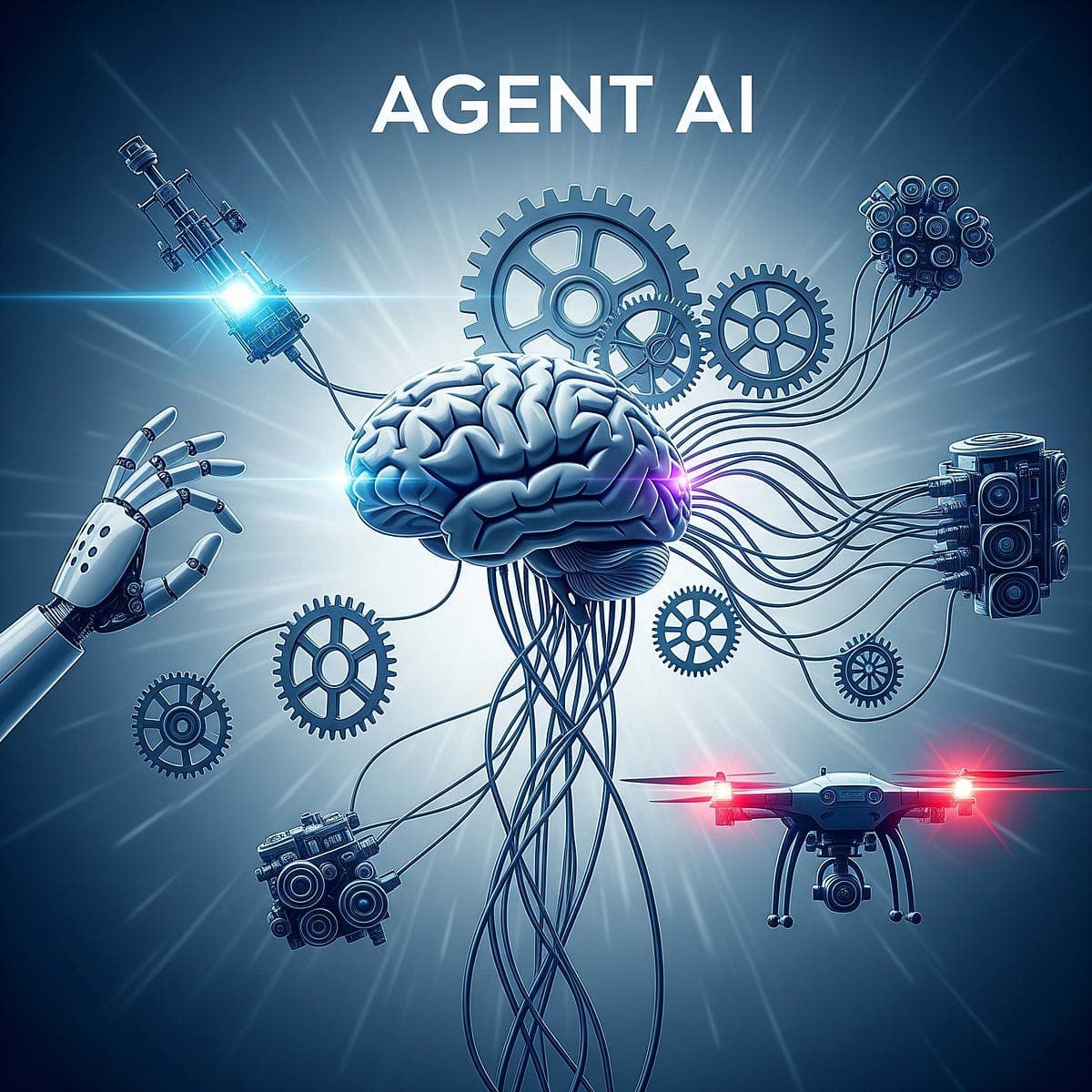
While the full article content from BeautyMatter is not directly accessible in the provided excerpt, the title and context clearly indicate a report on a significant shift in the beauty retail landscape. The core concept is "Agentic AI." This represents an evolution from passive, reactive chatbots to proactive, goal-oriented AI systems that act as autonomous agents within the customer journey.
The term "agentic" implies these AI systems don't just answer questions; they take initiative. In the context of beauty retail, this likely involves a ChatGPT-powered interface that:
- Guides Discovery: Instead of waiting for a user to type "red lipstick," an agentic AI might initiate a consultation by asking about skin type, desired occasion, or current beauty concerns, then curate a personalized regimen or product lineup.
- Builds Trust: By engaging in nuanced, conversational diagnostics and providing transparent, ingredient-aware explanations (e.g., "This serum uses niacinamide, which is excellent for your stated concern about enlarged pores because..."), the AI builds credibility. It acts less like a sales tool and more like a knowledgeable beauty advisor.
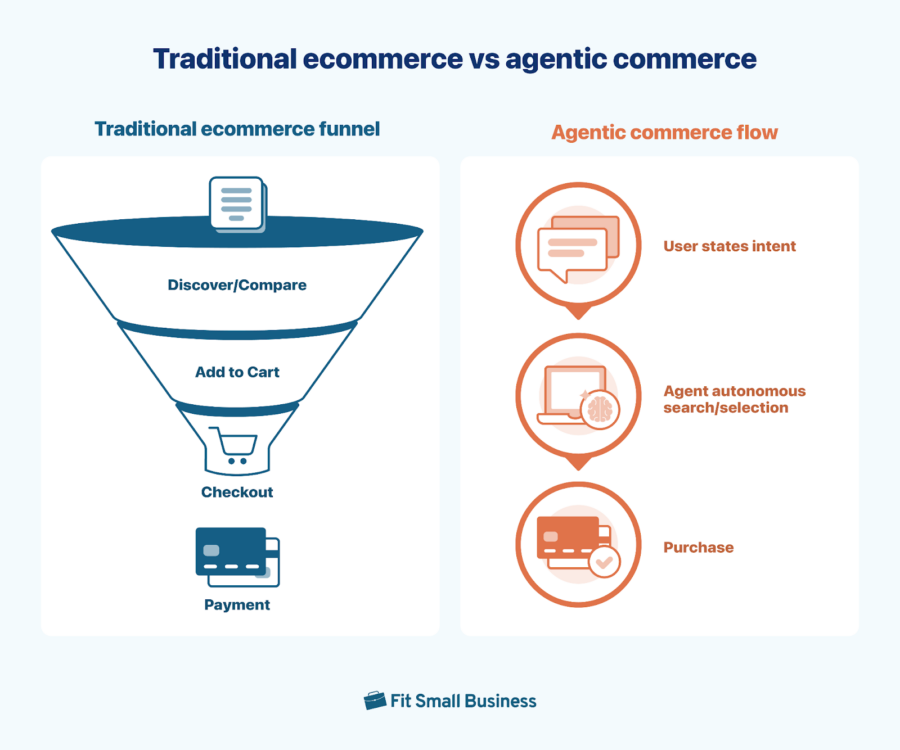
- Drives Conversion: The ultimate goal is to seamlessly bridge the gap between personalized advice and purchase. An agentic system could manage the entire funnel—from discovery and trial (via virtual try-on integration) to cart addition and checkout reminders—within a single, cohesive conversational experience.
This model moves beyond the transactional search-and-filter paradigm of traditional e-commerce to a relational, advisory model powered by large language models (LLMs).
Why This Matters for Retail & Luxury
For luxury beauty and prestige retail, the implications are profound. The sector is built on expertise, personalization, and a high-touch service ethos that has been difficult to replicate online at scale.
- Replicating the Counter Experience Digitally: A masterful beauty advisor at a department store counter builds rapport, assesses needs, and makes authoritative recommendations. Agentic AI aims to digitize this high-value interaction, making it available 24/7 to a global audience.
- Democratizing Personalization: Luxury has always been personalized, but often only for top clients. An AI beauty agent can offer a deeply personalized consultation to every website visitor, elevating the brand experience universally.
- Naviging Ingredient Complexity: Prestige beauty is increasingly science-driven ("skincare-tainment") with complex actives and formulations. An LLM can be trained on a brand's proprietary ingredient science to explain benefits in an accessible, trustworthy way, reducing consumer anxiety and fostering brand loyalty.
- Reducing Returns: In beauty, returns are often high due to shade mismatches or product reactions. A more diagnostic, conversational AI that asks the right questions upfront can significantly improve first-choice accuracy.
Business Impact
The business impact centers on key retail metrics:
- Average Order Value (AOV): An agentic AI can recommend complementary products (a cleanser, serum, and moisturizer regimen) more effectively than static bundling, increasing basket size.
- Conversion Rate: By reducing friction and building trust through conversation, the path from consideration to purchase is shortened and fortified.
- Customer Lifetime Value (CLV): A successful, trusted initial interaction powered by AI can be the foundation for a long-term customer relationship. The AI can remember preferences for future visits, enabling a continuous, evolving dialogue.
- Cost of Service: While not replacing human advisors for the most complex queries, it can handle a vast majority of routine consultations, allowing human staff to focus on escalated issues or high-touch clienteling, optimizing operational costs.
Implementation Approach
Deploying agentic AI in a luxury context is not a simple ChatGPT plugin. It requires a strategic, layered technical approach:
- Foundation Model Selection & Fine-Tuning: Starting with a powerful LLM (GPT-4, Claude 3, or a proprietary model), the system must be finely tuned on the brand's specific corpus—product catalogs, ingredient glossaries, brand voice guidelines, and common customer service dialogues.
- Integration with Retail Systems: The AI agent must be a connected brain, not an isolated chat window. Real-time integration with Product Information Management (PIM), Inventory, and Customer Relationship Management (CRM) systems is non-negotiable. It needs to know what's in stock, a customer's purchase history, and detailed product attributes.
- Orchestration with Specialized Tools: A true agent will use tools. It should be able to call a virtual try-on API for shade matching, query a knowledge base for ingredient FAQs, or execute a cart update. This requires building a robust orchestration layer.
- Brand-Aligned Experience Design: The UI/UX must reflect luxury aesthetics. The conversation tone must match the brand's voice—whether it's clinically authoritative, warmly nurturing, or edgy and inspirational.
- Guardrails and Hallucination Mitigation: Strict safeguards are needed to prevent the AI from inventing product claims or recommending unsuitable products. A retrieval-augmented generation (RAG) architecture, grounding all responses in verified brand data, is essential.
Governance & Risk Assessment
For luxury brands, risk management is paramount.
- Brand Safety & Voice: The AI must consistently communicate within strict brand guidelines. Unsupervised, generic LLM outputs could severely dilute brand equity.
- Data Privacy & Sovereignty: Conversational AI involves processing personal data (skin concerns, preferences). Compliance with GDPR, CCPA, and other regulations is critical. Clear data usage policies must be communicated.
- Bias and Inclusivity: Training data must be meticulously curated to ensure recommendations are inclusive across skin tones, types, ages, and genders. Historical bias in beauty data is a known risk that requires active mitigation.
- Technical Maturity: "Agentic" AI is an emerging paradigm. While promising, it carries risks of unexpected behavior, reasoning errors, or workflow breakdowns. A phased rollout with heavy human-in-the-loop supervision is advised.
- Channel Strategy: Deciding where this agent lives is key—embedded on the product page, as a standalone diagnostic tool, or within a brand's app. It must be a cohesive part of the omnichannel journey.
gentic.news Analysis
This report on agentic AI in beauty is a direct manifestation of the broader trend we are tracking: the shift from AI as a feature to AI as the interface. It follows the industry-wide pivot towards hyper-personalization at scale, a trend championed by leaders like LVMH through its data and AI platform. The move from reactive chatbots to proactive agents aligns with our previous analysis on the need for conversational commerce to bridge the emotional gap in digital luxury experiences.
We are observing a clear pattern: early experiments with basic GPT-powered Q&A on product pages are now evolving into more sophisticated, goal-driven systems. This evolution mirrors advancements in AI agent frameworks (e.g., LangChain, AutoGPT) that enable more complex, multi-step reasoning and tool use. For luxury beauty brands, the competitive battleground is increasingly shifting to the quality of the pre-purchase advisory experience. A brand that masters a trustworthy, effective AI beauty agent can build a significant moat, turning its digital flagship into a destination for expertise, not just transactions.
The key challenge for technical leaders will be balancing innovation with the impeccable brand stewardship required in luxury. The implementation cannot be a generic tech stack; it must be a bespoke system engineered to reflect and amplify the brand's unique value proposition. The brands that succeed will be those that treat their AI agent not as a cost-saving customer service tool, but as a core brand ambassador and a primary engine for customer intimacy.