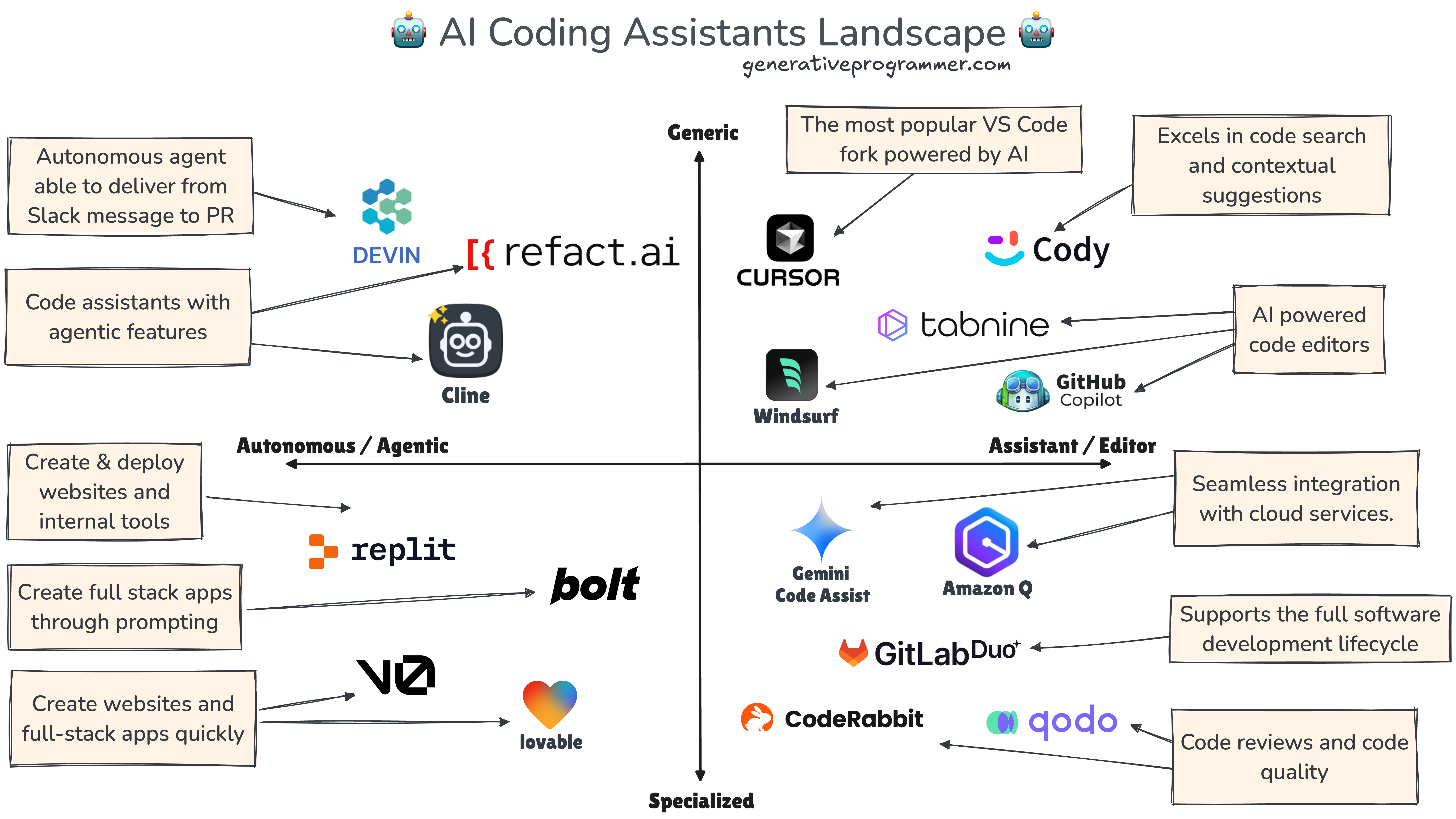
github-copilot" class="entity-chip">GitHub Copilot and similar AI coding tools accelerate bad engineering habits faster than good ones, argues a new analysis. The source says AI does not fix unclear requirements, weak tests, or fragile deployments—it amplifies them.
Key facts
- AI improves disciplined teams more than undisciplined ones.
- AI-generated code is often confident, clean, and incomplete.
- Most teams fail from unclear requirements, not slow typing.
- Senior developers benefit more because they judge output.
- Weak tests become false confidence with AI generation.
Key Takeaways
- AI coding tools amplify existing engineering weaknesses.
- Teams without discipline produce bad code faster, not good code.
The Core Contradiction: AI as a Multiplier, Not a Foundation
The uncomfortable truth is simple: AI improves disciplined teams more than undisciplined ones. [According to the source] A team that skips design discussions, ignores observability, avoids refactoring, and treats production issues as surprises will not be saved by installing Copilot. It may simply create bad code faster.
This is because AI tools work best inside strong engineering boundaries—clear conventions, useful tests, readable architecture, and reliable deployment practices. Without those boundaries, AI has less useful context. A model can generate a React component but does not know your accessibility expectations. It can write an API route but may not know your authorization rules. It can suggest a database query but may not understand your scale, indexes, or consistency requirements.
Why Senior Developers Benefit More
AI often benefits senior developers more than junior developers. Not because seniors write magical prompts, but because they can judge the output. [According to the source] They know when something looks right but is wrong. This asymmetry is structural: AI-generated code is often confident, clean, and incomplete—a dangerous combination for teams without the discipline to catch the gaps.
The Real Bottlenecks Aren't Typing Speed
Most engineering teams do not fail because developers type too slowly. [According to the source] They fail because of problems around the code: unclear product requirements, hidden assumptions, inconsistent architecture, missing tests, weak code review, poor observability, fragile CI/CD, unclear ownership, too much work in progress, and technical debt nobody wants to name. AI can help with some of these, but only if the team is honest about them.
Where AI Helps Disciplined Teams

For teams with existing patterns, AI reduces blank-page friction. GitHub Copilot can complete the next endpoint faster once a validation pattern is established. AI can also improve first-pass code review—ChatGPT, Claude, and Cursor can help developers review their own work before asking humans to review it. A practical prompt: "Review this diff as a senior full stack engineer. Focus on authorization gaps, input validation, error handling, performance risks, missing tests, confusing naming, inconsistent patterns, frontend loading and error states."
Where AI Makes Weak Discipline Worse
Weak requirements become weak output. If the ticket says "Add AI summary to the reports page," AI can build something quickly—but what should the summary include? Can the user trust it? Should it cite source data? What happens if generation fails? Without clear requirements, AI accelerates ambiguity.
Weak tests become false confidence. AI can generate tests very quickly, but they often only prove that the current implementation behaves like itself. A shallow test mocks the AI client and checks the return value. A better test asks whether the system protects important behavior—like not sending restricted fields to the AI client.
Weak architecture becomes more fragmented. A team without architectural discipline may use AI to generate new services, helper functions, hooks, and utilities that do not match the existing system. The code may look clean in isolation, but software is judged by how well it fits the system.
The Engineering Discipline Checklist for the AI Era
The source recommends: before building, write the problem in plain language—not "Add AI assistant" but "Reduce average first-response drafting time for support agents by suggesting replies based on ticket context, previous customer messages, and approved help center articles. The agent must be able to edit before sending."
Strong data boundaries are critical. A disciplined team asks: What data does the model need? What data must never be sent? Where is redaction handled? Are prompts and outputs logged? Does the user have permission to access all included context?
What to watch
Watch for enterprise adoption data: whether teams with low engineering maturity see increased bug rates or deployment failures after adopting Copilot. GitHub's Q3 2026 Copilot usage metrics and any correlation with DORA metrics will be telling.